The Forest Where All Knowledge Was Transmitted
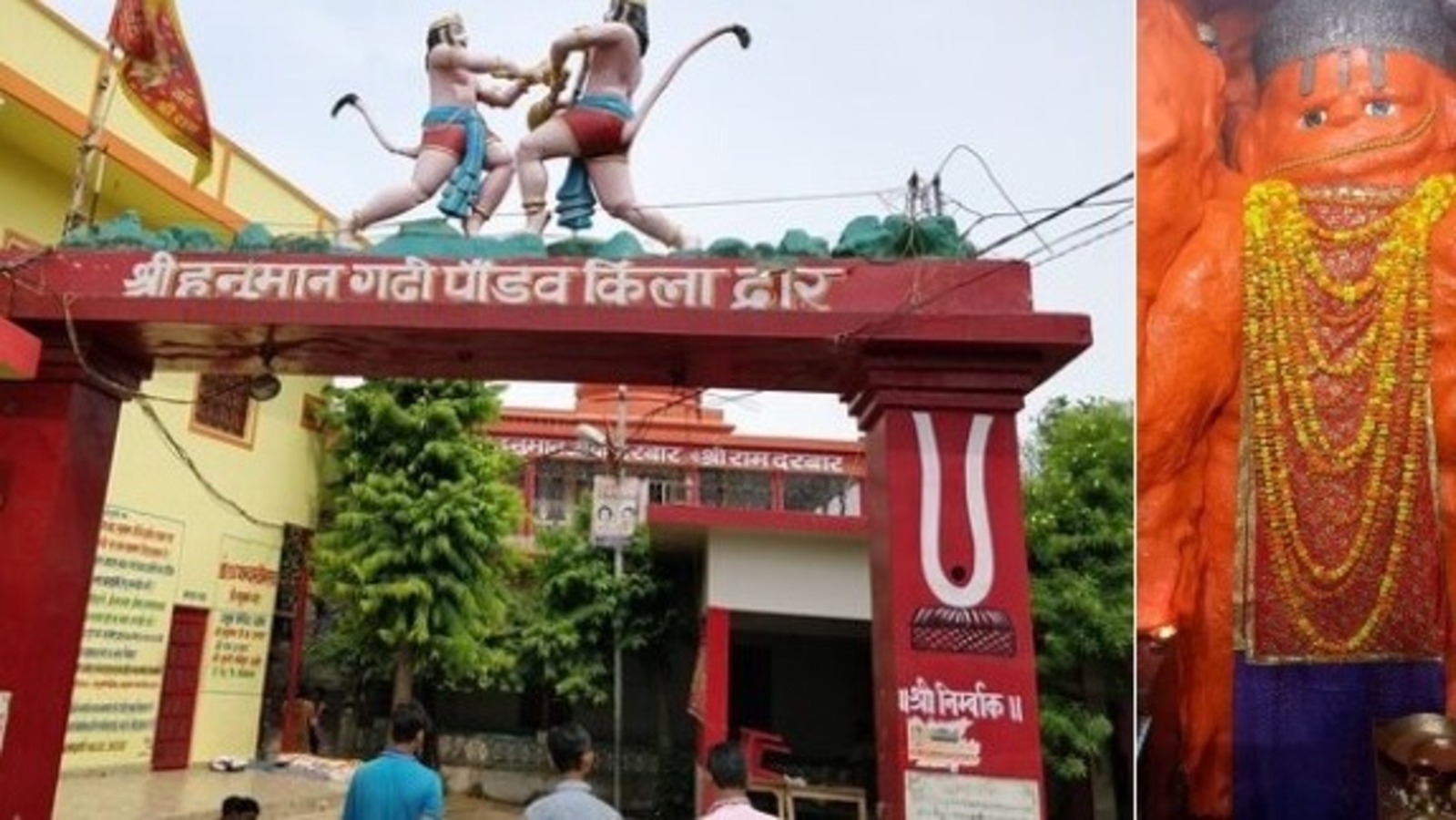
Naimisharanya — 'the forest of Naimi' or 'the forest of the eye of the Universe' — is a place whose spiritual significance is almost incomprehensibly vast, and yet it receives a fraction of the visitors that Varanasi or Ayodhya attract. This disproportion is itself meaningful: Naimisharanya is a place for those who seek depth rather than spectacle, knowledge rather than novelty, and the silence of the forest rather than the crowds of the ghats.
The Puranic account of Naimisharanya's origin begins with a question. At the dawn of this cosmic cycle (Kalpa), 88,000 rishis gathered and approached Brahma with a single request: 'Show us a place where we can perform uninterrupted tapas (austerity) and yagna (ritual) for the entire duration of this cosmic cycle, without being disturbed by the demons and distractions of the external world.' Brahma meditated, then released his manomaya chakra — the wheel made of mind-stuff — and told them: 'Follow this wheel. Where it stops and its nemi (rim) breaks, that place is created for you.' The wheel travelled and stopped in this forest on the banks of the Gomti river, its rim dissolving into the earth to form the sacred Chakra Tirth kund.
What followed at Naimisharanya across the span of an entire cosmic cycle is the richest transmission of spiritual knowledge in human history. All 18 Mahapuranas were narrated here — by Suta Muni to the assembled sages — as were the Upapuranas, portions of the Mahabharata, and the Bhagavata Purana in its complete form. The sages did not merely listen; they debated, questioned, tested, refined, and transmitted this knowledge in a continuous intellectual-spiritual dialogue that lasted, by scriptural time, for thousands of years.
Chakra Tirth: The Eye of the Universe
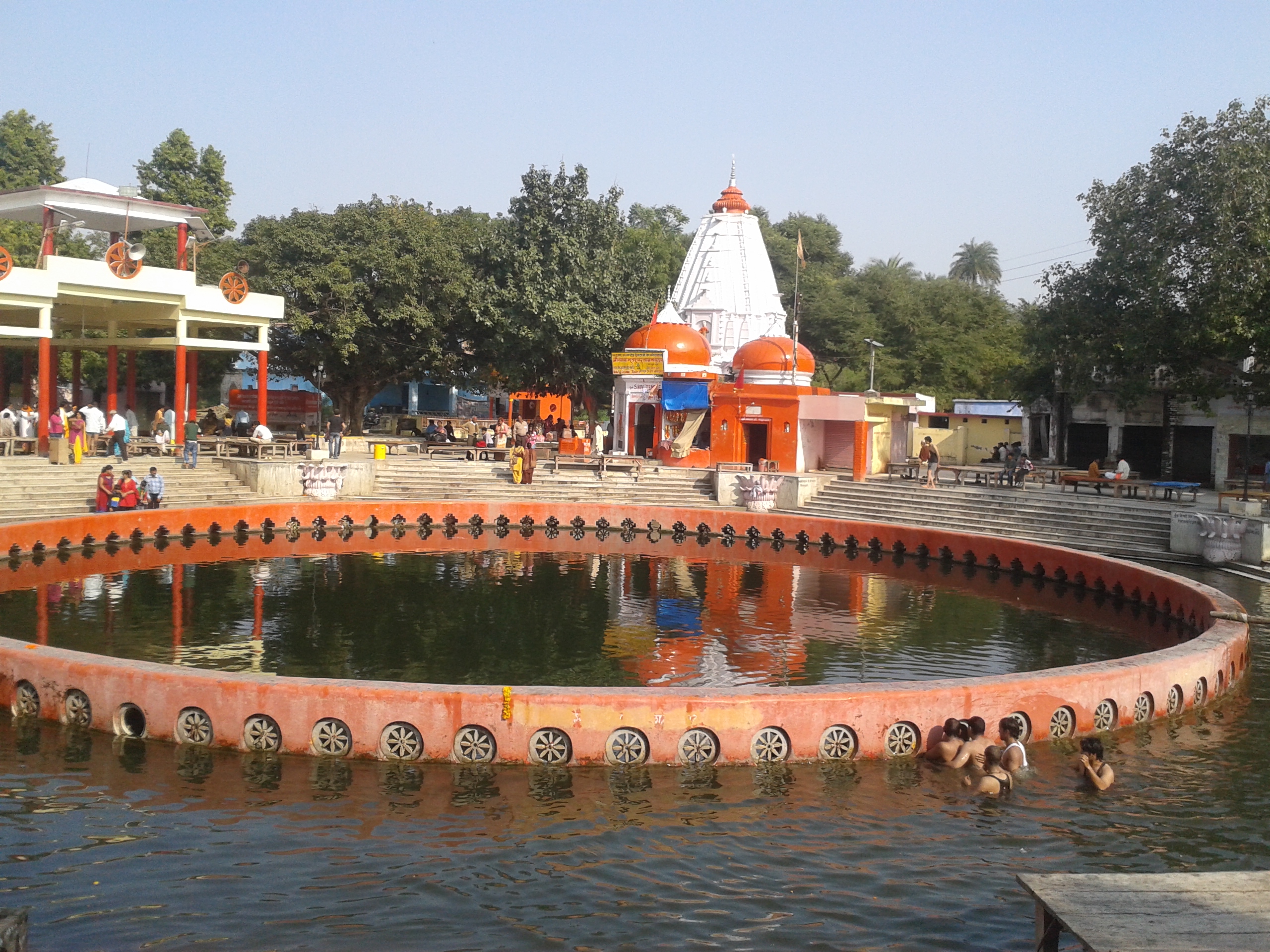
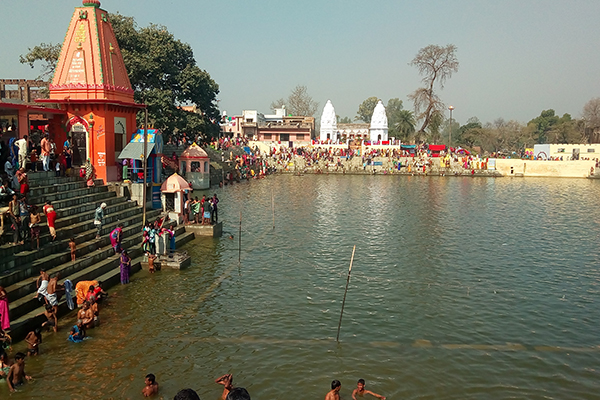
The Chakra Tirth — the sacred kund (water tank) formed when Brahma's wheel dissolved into the earth — is the most important sacred site in Naimisharanya and one of the most significant in all of Vaishnavism. The kund is circular, approximately 20 metres in diameter, and fed by an underground spring that has never run dry in recorded memory. The water is clear and cold even in summer, and the surrounding stone walls are covered with carvings of Vishnu's symbols — conch, discus, mace, and lotus.
Bathing in the Chakra Tirth is believed to dissolve all sins and grant the merit of completing all pilgrimages simultaneously. The Skanda Purana states that 'whoever bathes in Chakra Tirth, meditates on Vishnu, and performs tarpan for ancestors here, achieves what no amount of ordinary worship can achieve.' The kund is also associated with the tradition of 'nemi' — the rim of the cosmic wheel — and circling it three times while chanting is itself a form of parikrama.
The Chakra Tirth is most powerful on Ekadashi tithis (the 11th day of each lunar fortnight) and on Purnima. A full-moon bath here, in the cool of a north Indian night with the forest sounds of Naimisharanya surrounding you, is an experience that removes you completely from the ordinary world. Many pilgrims who come to Naimisharanya for a single day extend their stay simply because they cannot bring themselves to leave the Chakra Tirth.
Sacred Glimpses
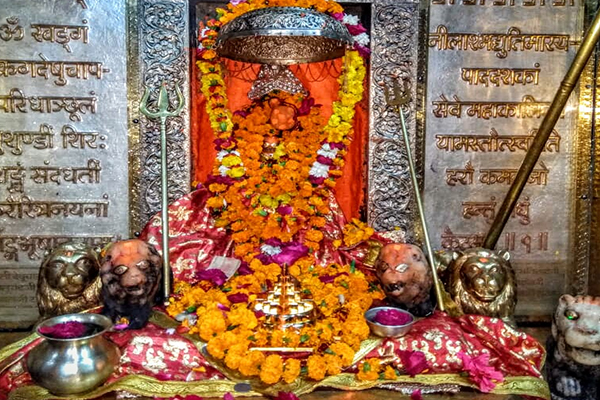
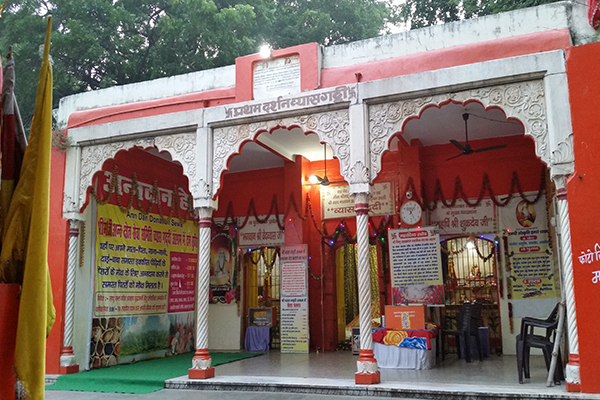
Hanumangarhi, Naimisharanya
Lalita Devi: The Shakti Peetha of Naimisharanya
The Lalita Devi temple in Naimisharanya houses one of the 51 Shakti Peethas — the sites where parts of Sati's body fell as Vishnu dismembered her corpse with his Sudarshana Chakra to end Shiva's grief-stricken wandering. At Naimisharanya, Sati's heart (hridaya) fell, and the goddess who resides here in the form of Lalita Devi is considered among the most powerful forms of the Divine Mother in all of Shakta tradition.
The temple is modest in size but radiates an atmosphere of fierce, concentrated shakti (power) that many pilgrims find more physically palpable than in larger, more famous Devi temples. The goddess is worshipped in three forms — as Lalita (the playful, benevolent form), as Mahakali (the fierce, transformative form), and as Saraswati (the form of pure knowledge) — reflecting the complete feminine divine in its three aspects. Navratri is celebrated here with particular intensity, with continuous jagran (night-long devotional singing) and a massive procession on the final day.
Suta Gaddi, Vyasa Gaddi & the Living Tradition of the Puranas
The Suta Gaddi (seat of Suta) marks the precise spot — a raised stone platform under a pipal tree — where the sage Suta Muni sat and narrated the Bhagavata Purana and all other Puranas to the assembled sages. Suta Muni was the disciple of Veda Vyasa and the primary narrator in most of the Mahapuranas — a figure whose role in the transmission of India's sacred literature is equivalent to that of the printer in the history of Western thought. The Suta Gaddi is not a tourist site; pilgrims sit here, read the Bhagavata, and sometimes weep with the weight of gratitude for having received this knowledge.
The Vyasa Gaddi — Veda Vyasa's own seat — is nearby, and a small temple marks the area where the great sage is said to have meditated and organised the Vedas into their current form. The tradition of scholarship at Naimisharanya continues in a practical sense: the Suta Muni Peeth, a traditional institution of Vedic learning attached to the main temple complex, trains young Brahmins in the oral recitation of Puranas. Hearing a trained reciter chant from the Bhagavata in the language and rhythm in which it was composed, in the precise location where it was first narrated, is one of the most moving intellectual and spiritual experiences India offers.
Dadhichi Kund: Where a Sage's Sacrifice Built the Universe
One of the most profound stories in Puranic literature is associated with Naimisharanya: the story of Maharshi Dadhichi. When the gods were defeated by the demon Vritra and sought Indra's help, they were told that Vritra could only be killed by a weapon made from the bones of the sage Dadhichi — the only material in the universe powerful enough for the task. When the gods went to Dadhichi and explained their need, he agreed without hesitation and dissolved his own physical body through yogic power, offering his bones to be fashioned into the Vajra (thunderbolt) weapon.
Dadhichi's sacrifice represents the supreme example of yagna in Vedic tradition — the willing dissolution of the individual for the good of the cosmic whole. The Dadhichi Kund at Naimisharanya is the sacred tank associated with this event, and bathing here is believed to instil in the pilgrim the quality of fearlessness and selflessness that Dadhichi embodied. Adjacent to the kund is a small but atmospherically intense Shiva temple that has been maintained continuously since ancient times.
The Atmosphere of Naimisharanya & Practical Guidance
Naimisharanya is unlike any other pilgrimage destination on this list in one specific way: it is quiet. The forest is real — a dense canopy of ancient trees surrounds the temple complex, and the sounds of birds, wind in leaves, and the Gomti river replace the urban hum that characterises most pilgrimage cities. Many pilgrims who come expecting a crowded, commerce-driven experience are surprised and moved by the forest atmosphere that makes the entire complex feel like a genuine ashram rather than a tourist site.
The Gomti river at Naimisharanya is the same sacred river that flows through Lucknow and eventually joins the Ganga. At Naimisharanya, the Gomti is young, narrow, and clear — a river that still remembers the forest it flows through. Bathing in the Gomti here, followed by the Chakra Tirth darshan and the Lalita Devi temple, constitutes a complete morning's pilgrimage that leaves most visitors with a sense of having touched something genuinely ancient and undisturbed.
Naimisharanya is located approximately 95 km from Lucknow, from which shared taxis and buses run throughout the day. The drive through the flat UP countryside is unremarkable, but the moment you enter the forest precincts of Naimisharanya, the transformation is immediate. Accommodation in the forest complex is available in basic dharmashalas. The best time to visit is October through March, and Purnima tithis — when the forest fills with pilgrims who have come specifically for the full-moon bath in Chakra Tirth — are particularly auspicious.
✦Practical Tips
- ›Arrive on Ekadashi or Purnima for the most auspicious Chakra Tirth snan — but go early (before 7 AM) to avoid the crowds that gather by mid-morning.
- ›Engage a local priest guide who knows the 84 sacred sites within the Naimisharanya complex — many of these small shrines and kunds are not signposted.
- ›Carry your own food if you prefer vegetarian options — the dhaba options near the temple are simple. The complex itself serves langar on festival days.
- ›The Naimisharanya region becomes difficult to navigate during monsoon as the forest paths can flood. October through June is the practical pilgrimage window.
- ›The Kalidasa Shodh Sansthan (research institute) within the complex has a library of rare Sanskrit manuscripts. Scholars and serious seekers can request access.
Journey Combination: Naimisharanya + Ayodhya + Prayagraj
Naimisharanya sits almost exactly midway between Lucknow and Ayodhya, making it a natural addition to any Uttar Pradesh spiritual circuit. A seven-day itinerary that begins with Naimisharanya (the forest of knowledge), continues to Ayodhya (the city of Ram), and concludes with Prayagraj (the city of the sacred confluence) represents three completely different registers of the spiritual — the intellectual, the devotional, and the purificatory — and together creates one of the most complete pilgrimage experiences available in India.
Many devotees begin this circuit at Prayagraj with a Sangam snan (to begin purified), then travel to Naimisharanya to absorb the Puranic knowledge tradition, and conclude at Ayodhya for Ram darshan (to end in devotion). This sequence, recommended by traditional priests as the spiritually correct order, mirrors the ancient understanding that purification precedes knowledge and knowledge precedes complete surrender.