Every sponsored ritual has a yajman, the patron whose name and intention shape the entire ceremony being performed. Understanding this role helps pilgrims recognise their own position when arranging a puja or havan during their Yatra.
What Does Yajman Mean?
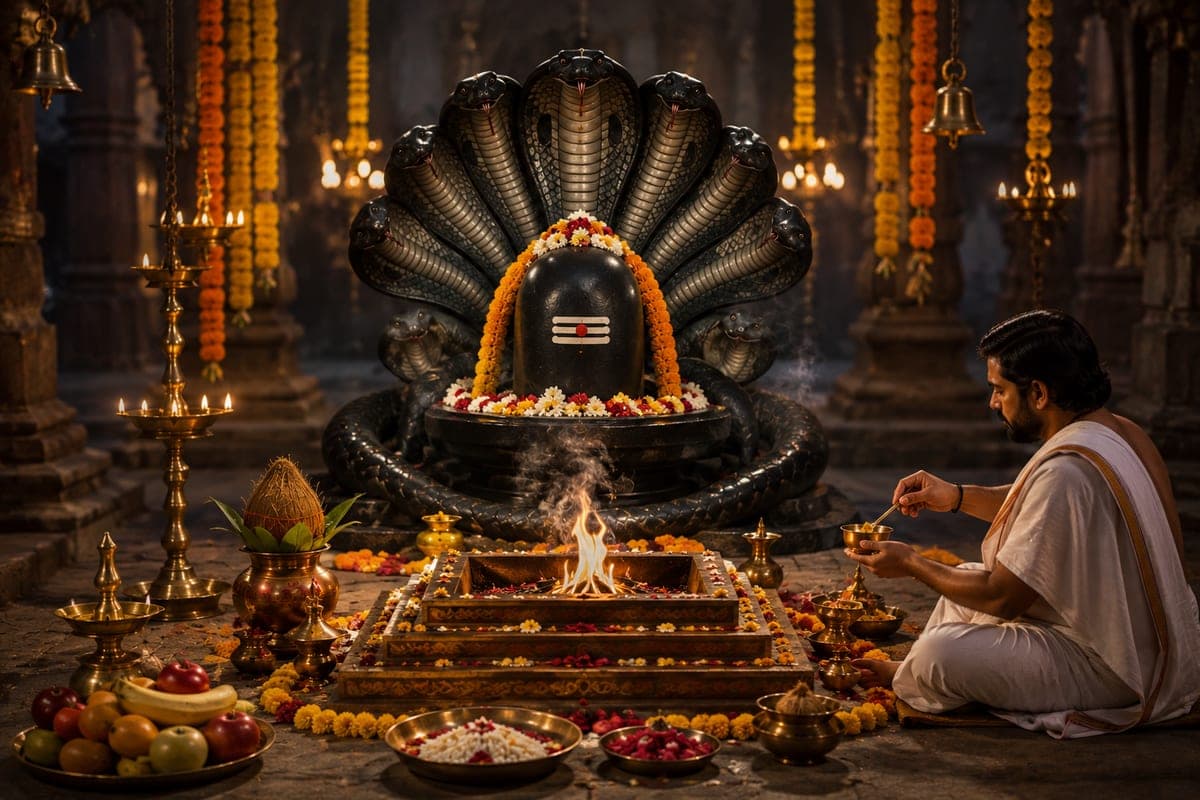
Yajman refers to the patron or sponsor on whose behalf a ritual, such as a puja, havan, or yajna, is performed, with their name, gotra, and specific intention invoked throughout the ceremony by the officiating priest. Priests performing Yajman are generally willing to briefly explain the ritual to curious pilgrims, particularly at quieter, less crowded temples.
Responsibilities of the Yajman
Traditionally, the yajman is expected to provide the necessary materials or funding for the ritual and to remain present and attentive throughout the ceremony, reflecting their central role as the person on whose behalf the ritual is performed. The exact steps involved in Yajman can vary somewhat between temples, though the underlying devotional purpose remains broadly consistent across India.
Becoming a Yajman During a Yatra
Pilgrims sponsoring any personalised ritual during their Yatra effectively take on the role of yajman, providing their details to the priest at the outset and often participating directly in specific steps of the ceremony. Many pilgrims specifically arrange Yajman during their Yatra to mark a personal intention, vow, or family occasion.