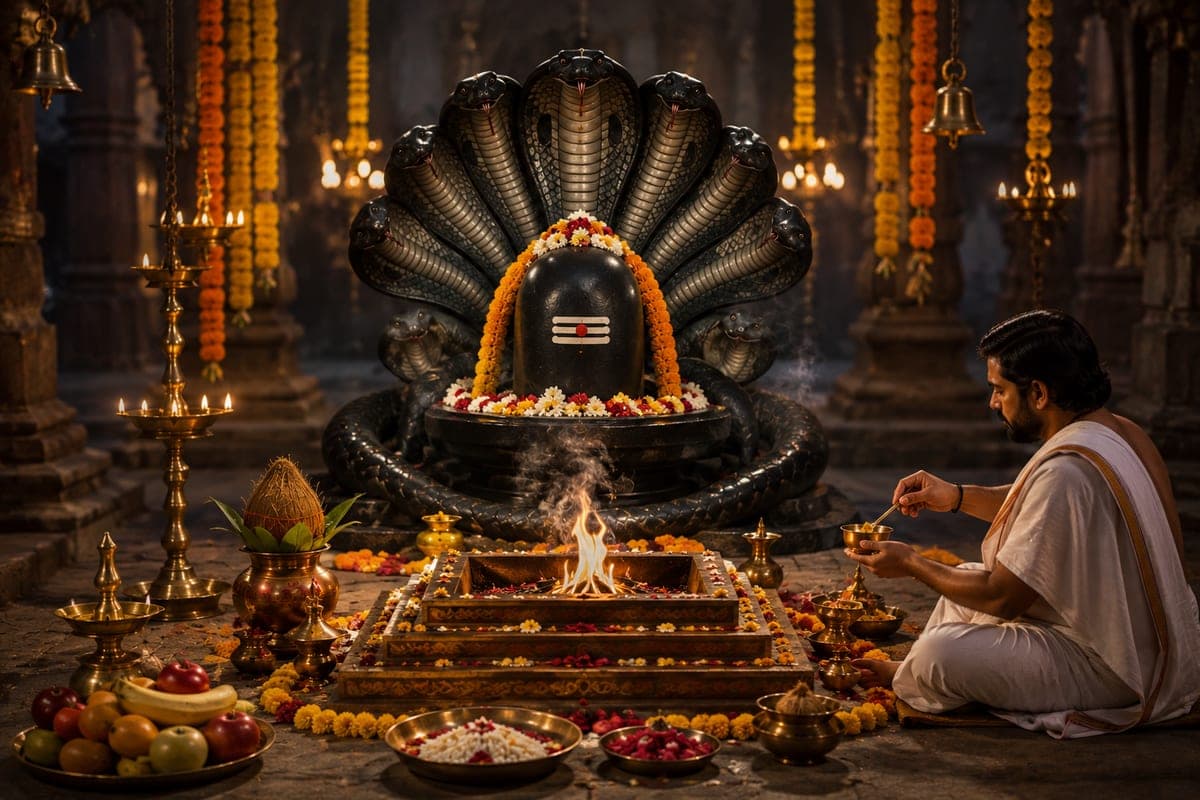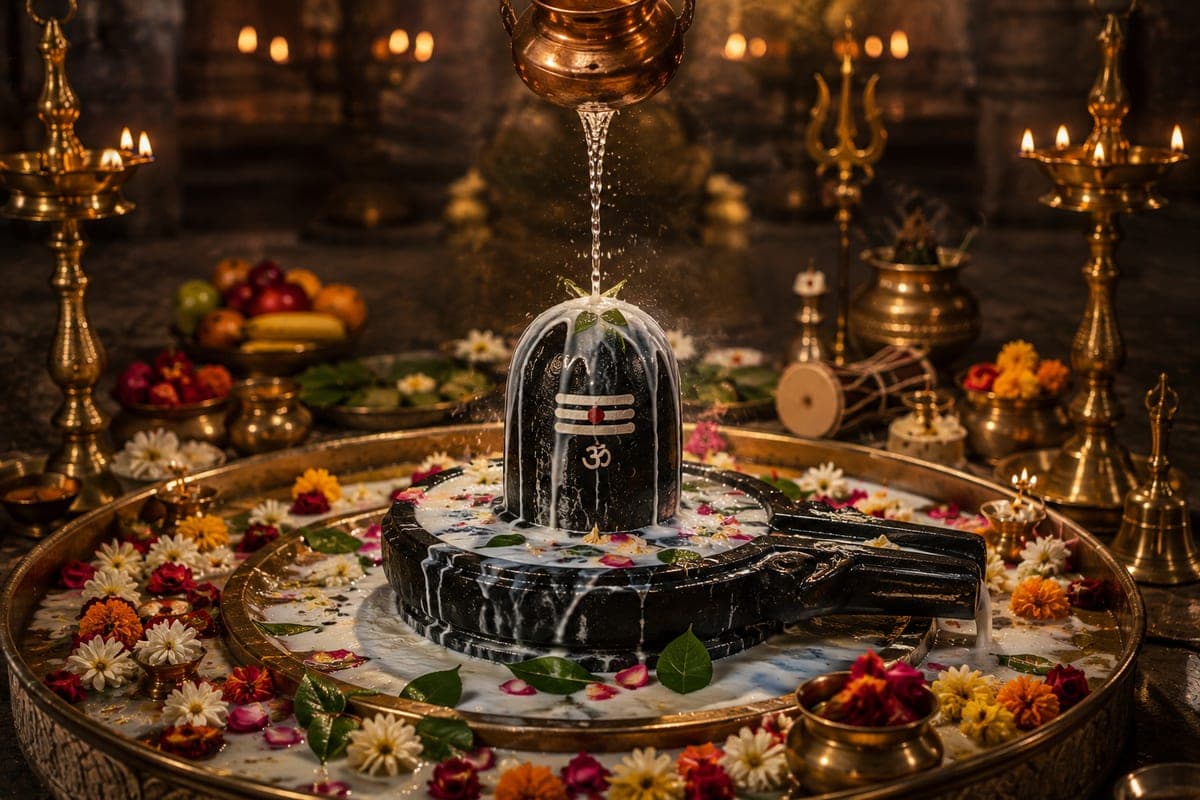
Completing a significant vrat is not considered finished until the proper Udyapan Vidhi has been performed, formally concluding the vow through a specific ritual procedure. Understanding this concluding step helps pilgrims appreciate why finishing a vrat correctly matters as much as beginning it with sincere intention.
What Is Udyapan Vidhi?
Udyapan Vidhi refers to the specific ritual procedure followed to formally conclude a vrat or extended vow, typically involving a concluding puja, specific offerings, and sometimes a community feast such as a bhandara, marking the vow's fulfilment. Many pilgrims specifically arrange Udyapan Vidhi during their Yatra to mark a personal intention, vow, or family occasion.
Why Concluding a Vrat Properly Matters
Many traditions hold that a vrat is not considered spiritually complete until the appropriate Udyapan Vidhi has been performed, viewing this concluding ritual as an essential final step rather than an optional formality. Priests performing Udyapan Vidhi are generally willing to briefly explain the ritual to curious pilgrims, particularly at quieter, less crowded temples.
Performing Udyapan Vidhi After a Vrat
Devotees completing a significant vrat, particularly one observed over an extended period, typically arrange the appropriate Udyapan Vidhi with guidance from a priest, ensuring the specific procedure matches the tradition associated with their particular vow. The exact steps involved in Udyapan Vidhi can vary somewhat between temples, though the underlying devotional purpose remains broadly consistent across India.