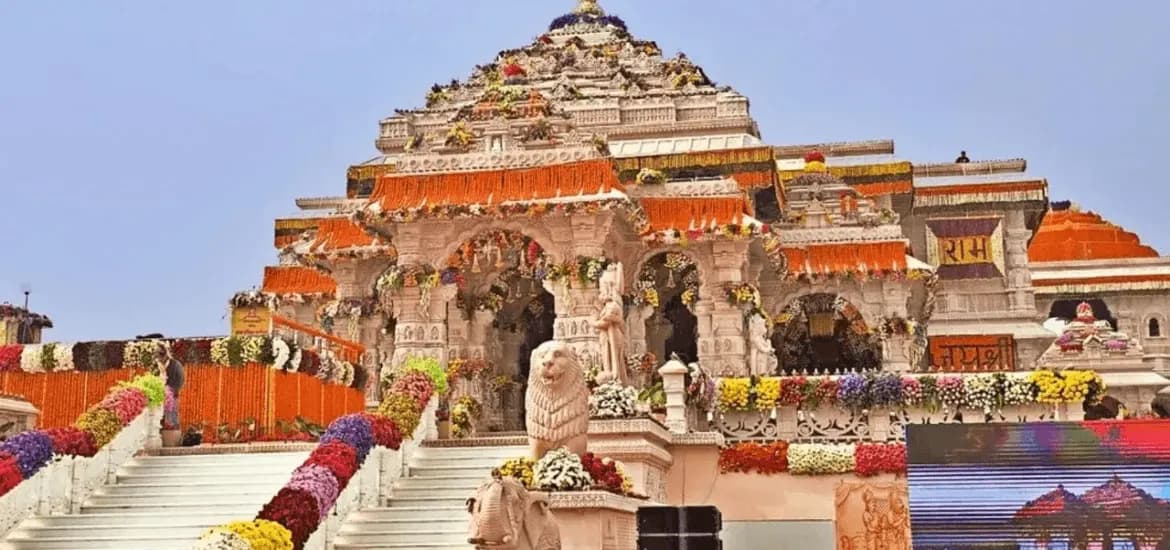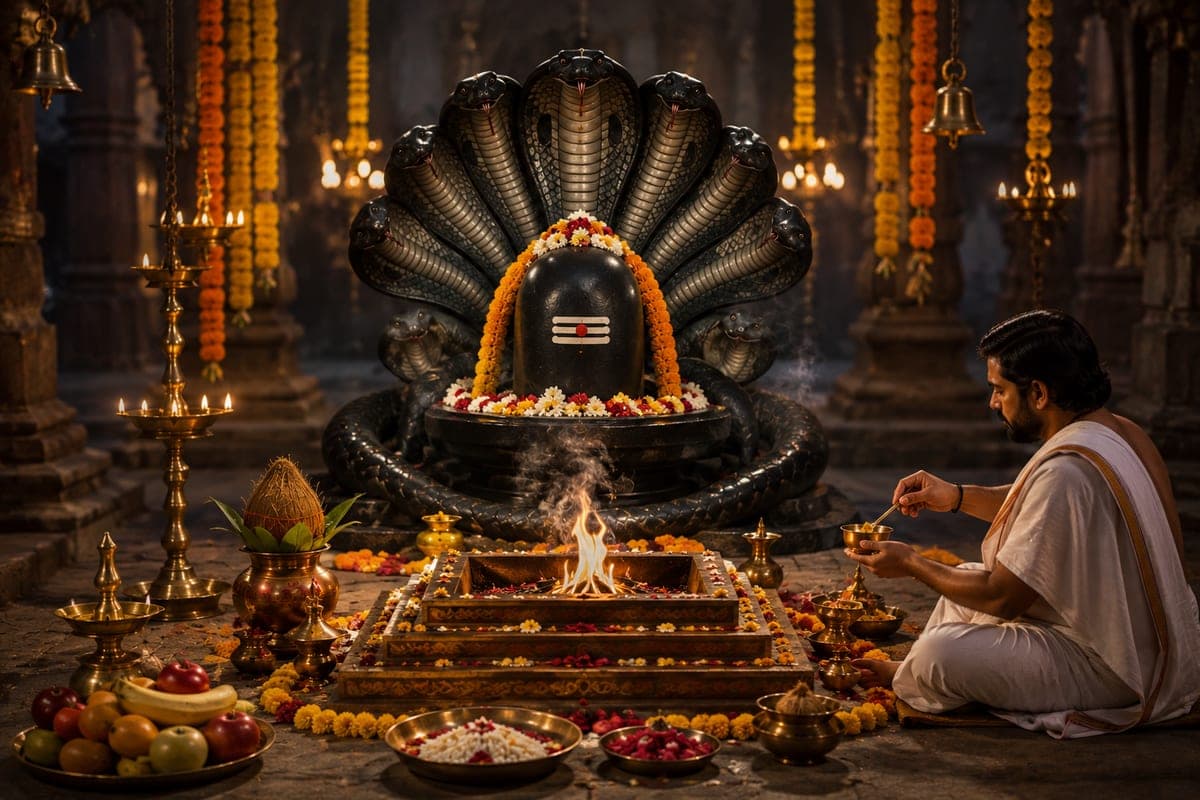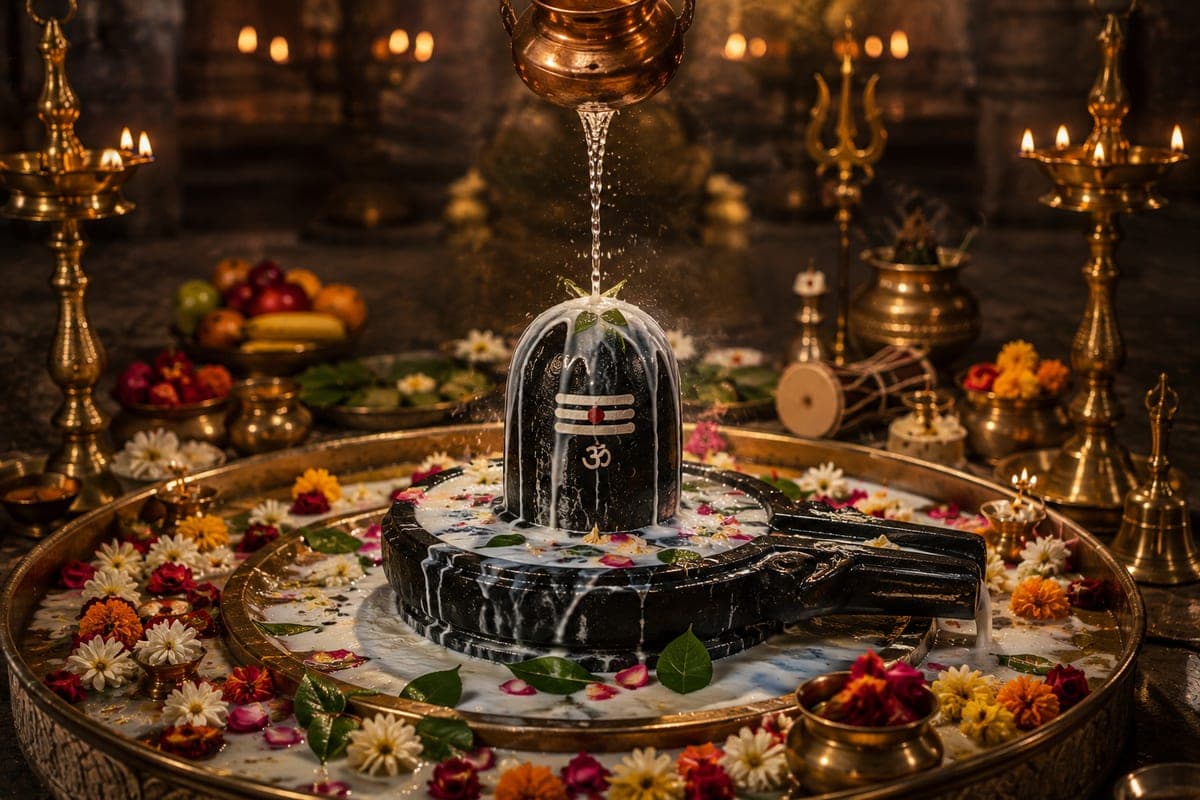
The general term temple flowers covers the many blooms pilgrims encounter throughout their Yatra, from individual offerings to elaborate decorative garlands. Understanding common choices and their significance helps pilgrims select appropriate flowers when visiting a temple for darshan or puja.
What Counts as Temple Flowers?
Temple flowers refers broadly to the various blooms used across Hindu worship, including individual flowers offered directly to a deity, garlands presented during puja, and larger decorative arrangements used throughout a temple complex. Regional practices around Temple Flowers vary somewhat across India, though its core devotional purpose remains widely recognised among Hindu pilgrims.
Common Flowers Used in Temple Worship
Marigold, jasmine, lotus, and hibiscus are among the most commonly used temple flowers, with specific choices sometimes associated with particular deities, such as hibiscus with Devi worship or lotus with Vishnu and Lakshmi. Many pilgrims keep a small amount of Temple Flowers from a significant Yatra as a lasting reminder of that particular temple visit.
Buying Temple Flowers During a Yatra
Pilgrims can typically purchase fresh temple flowers from vendors stationed immediately outside most major temples, making it easy to select an appropriate offering just before entering for darshan or a sponsored puja. Vendors near many temples sell Temple Flowers to pilgrims, and priests can usually explain the correct way to use it during a visit.