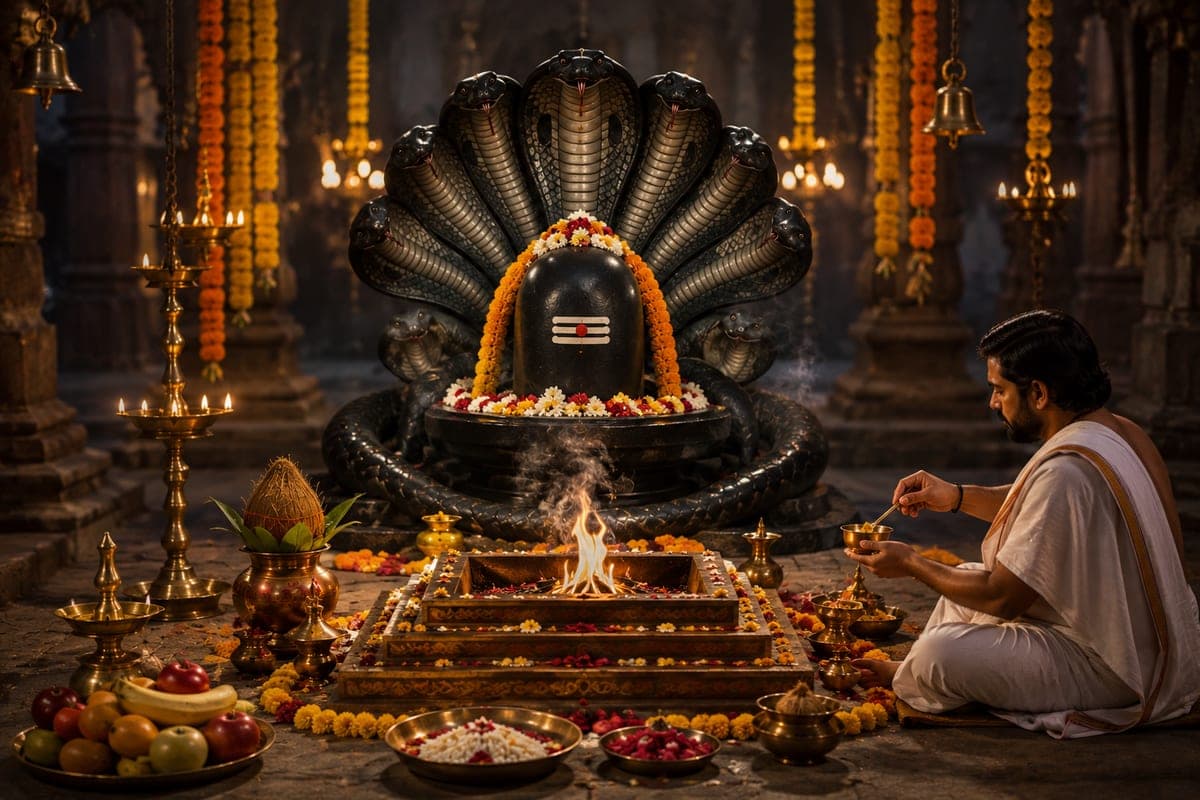
Behind nearly every significant temple lies its own Sthala Purana, a local legend explaining exactly why that particular site became sacred. Understanding this concept helps pilgrims appreciate the specific, place-based storytelling tradition that gives each temple its unique character beyond broader Hindu mythology.
What Is a Sthala Purana?
A Sthala Purana refers to a local legend or text explaining the specific religious significance, origin story, and unique traditions of a particular temple or sacred site, distinguishing it from the broader, more universally known Puranas. Pilgrims encountering Sthala Purana for the first time are often introduced to it gradually through family tradition rather than formal study alone.
Why Sthala Puranas Matter
These local narratives often explain specific rituals, restrictions, or features unique to a particular temple, providing context that broader Hindu scripture alone would not cover, and reflecting centuries of local tradition and storytelling. Scholars and temple priests continue to teach and discuss Sthala Purana, keeping its relevance alive for each new generation of devotees.
Learning a Temple's Sthala Purana During a Yatra
Pilgrims are often introduced to a temple's specific Sthala Purana through priests, local guides, or signage at the site itself, adding a layer of unique, place-specific meaning to their darshan experience. References to Sthala Purana appear across many regional Hindu traditions, with local interpretation shaping how it is understood by pilgrims today.