Surrounding many temple sanctums are one or more prakara, enclosure walls forming distinct boundaries within the larger complex. Understanding this architectural feature helps pilgrims appreciate the layered structure they move through during parikrama and their overall temple visit.
What Is a Prakara?
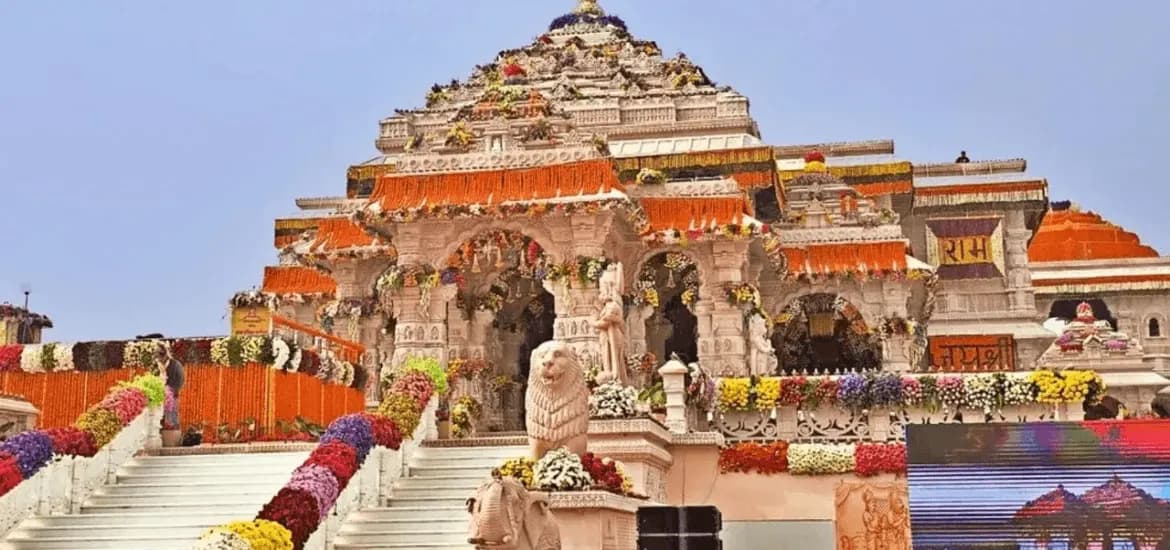
Prakara refers to an enclosure wall or corridor surrounding a Hindu temple, often constructed in concentric layers around the main sanctum, with larger temples sometimes featuring several such enclosures marking progressively wider boundaries. Pilgrims interested in temple architecture sometimes specifically seek out well-preserved examples connected to Prakara during their Yatra.
Prakara and Circumambulation
The corridor space within a prakara wall is commonly used by pilgrims to perform parikrama, walking around the sanctum in a clockwise direction as an act of devotion, making this architectural feature functionally significant beyond its structural role. Regional variations in Prakara are common across India, reflecting centuries of distinct local building traditions and craftsmanship.
Prakara in Large Temple Complexes
Major temple complexes, particularly in South India, often feature multiple prakaras, each housing additional shrines, pillars, or halls, meaning pilgrims may pass through several distinct enclosed spaces before reaching the innermost sanctum. Architectural historians and temple guides often point to Prakara as an example of the careful planning behind traditional Hindu temple design.