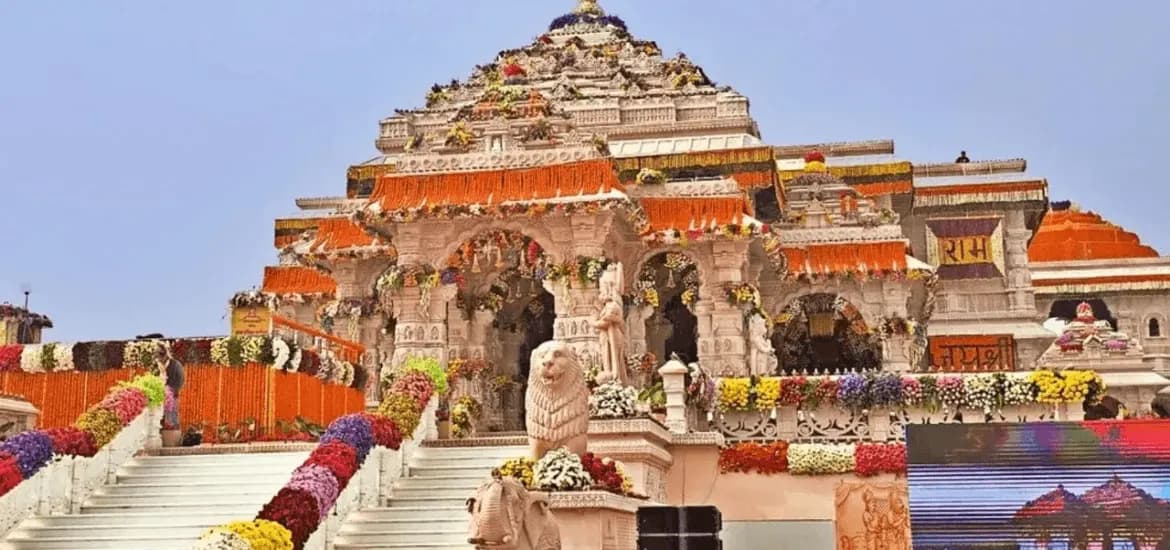
Every significant temple complex is anchored by its Mahadwar, the main gateway marking the primary point of entry into sacred grounds. Understanding this architectural term helps pilgrims recognise the formal, often grand starting point of their journey toward darshan.
What Is Mahadwar?
Mahadwar refers to the main gateway or primary entrance of a temple complex, typically the largest and most elaborately constructed access point, particularly significant at temples with multiple entrances serving different purposes. Pilgrims interested in temple architecture sometimes specifically seek out well-preserved examples connected to Mahadwar during their Yatra.
Symbolic Role of the Main Gateway
Passing through the Mahadwar is often treated as a symbolically significant transition, marking the formal beginning of a pilgrim's visit and setting the tone for the sacred space entered beyond this primary threshold. Regional variations in Mahadwar are common across India, reflecting centuries of distinct local building traditions and craftsmanship.
Mahadwar in Large Temple Complexes
Extensive temple complexes may feature the Mahadwar alongside smaller secondary entrances, with pilgrims generally directed toward the main gateway for a complete, traditional approach to darshan during their Yatra. Architectural historians and temple guides often point to Mahadwar as an example of the careful planning behind traditional Hindu temple design.