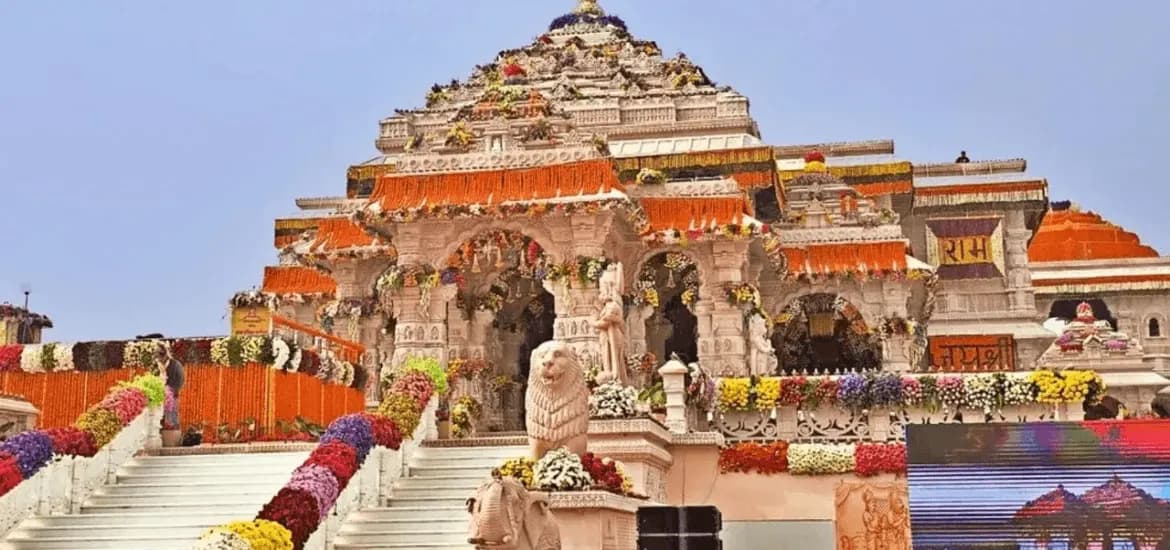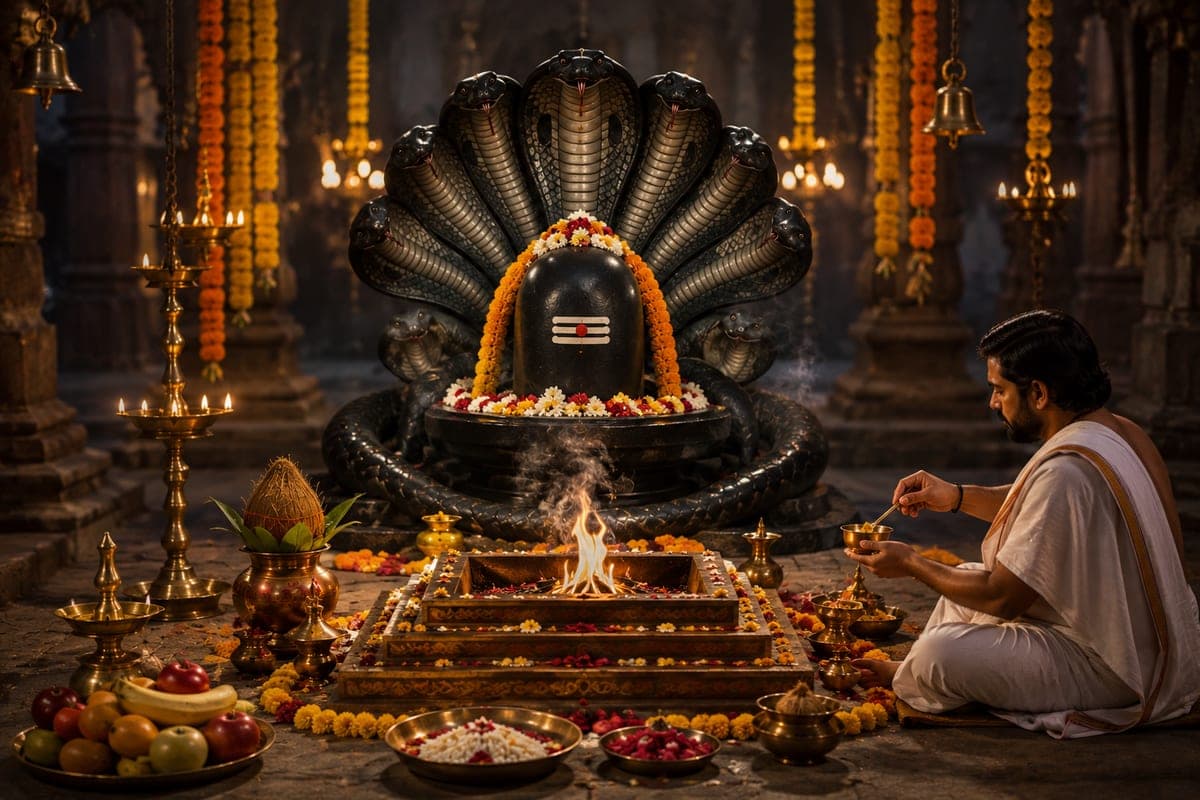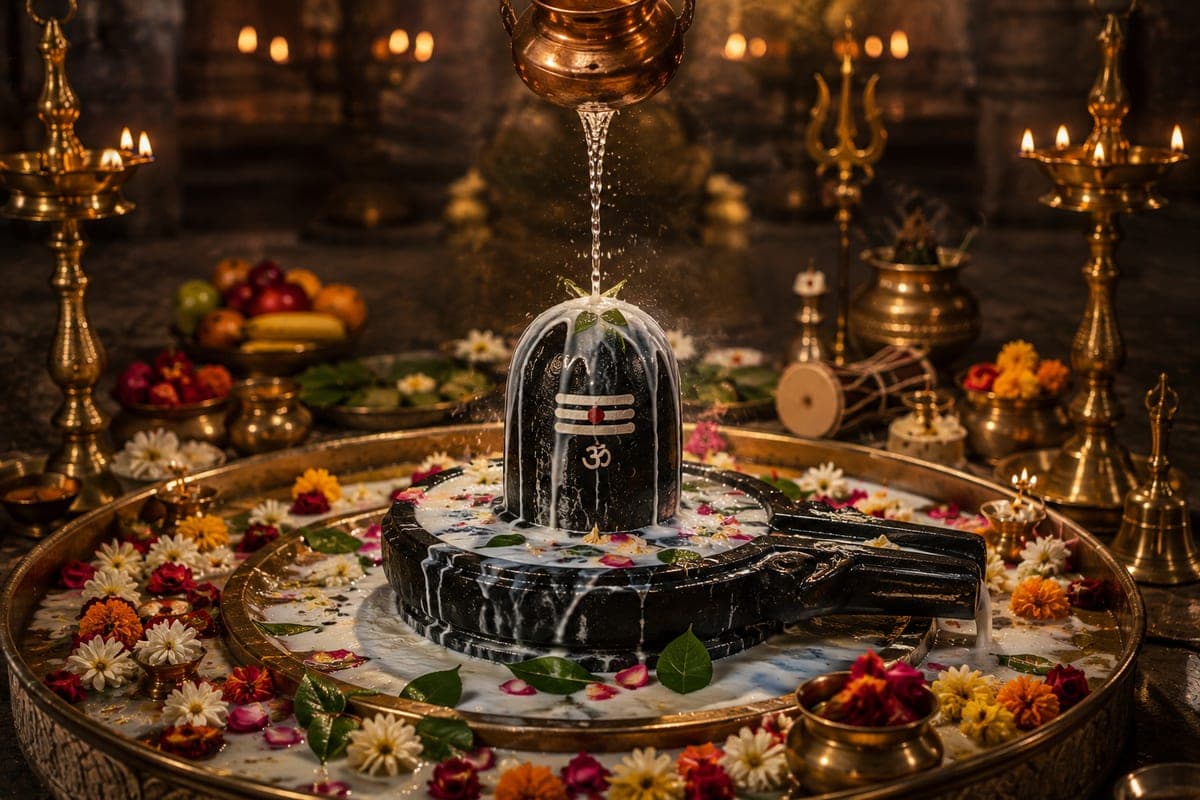
Beyond the initial Pran Pratishtha, many South Indian temples periodically repeat Kumbhabhishekam, a renewal ceremony refreshing the temple's sanctity. Understanding why this recurring ritual matters helps pilgrims appreciate a significant, relatively infrequent event some specifically travel to witness.
What Is Kumbhabhishekam?
Kumbhabhishekam is an elaborate consecration ceremony performed at South Indian temples, involving ritual bathing of the temple's towers and idols, traditionally believed necessary to renew and maintain the sanctity established during the original consecration. The exact steps involved in Kumbhabhishekam can vary somewhat between temples, though the underlying devotional purpose remains broadly consistent across India.
Why Kumbhabhishekam Is Repeated Periodically
Temples traditionally repeat this ceremony roughly every twelve years, or after significant renovation, reflecting a belief that a temple's sacred energy requires periodic renewal through this elaborate ritual process. Many pilgrims specifically arrange Kumbhabhishekam during their Yatra to mark a personal intention, vow, or family occasion.
Witnessing Kumbhabhishekam During a Yatra
Pilgrims aware that a significant temple is scheduled for Kumbhabhishekam sometimes specifically plan their Yatra around this rare event, considering the opportunity to witness such a significant renewal ceremony a particularly meaningful pilgrimage experience. Priests performing Kumbhabhishekam are generally willing to briefly explain the ritual to curious pilgrims, particularly at quieter, less crowded temples.