Just as Ganesh Puja typically precedes other worship, Ganapati Homa extends this tradition into fire ritual form, specifically seeking the removal of obstacles before a significant undertaking. Understanding this practice helps pilgrims appreciate why Ganesha-focused rituals so often open larger ceremonial occasions.
What Is Ganapati Homa?
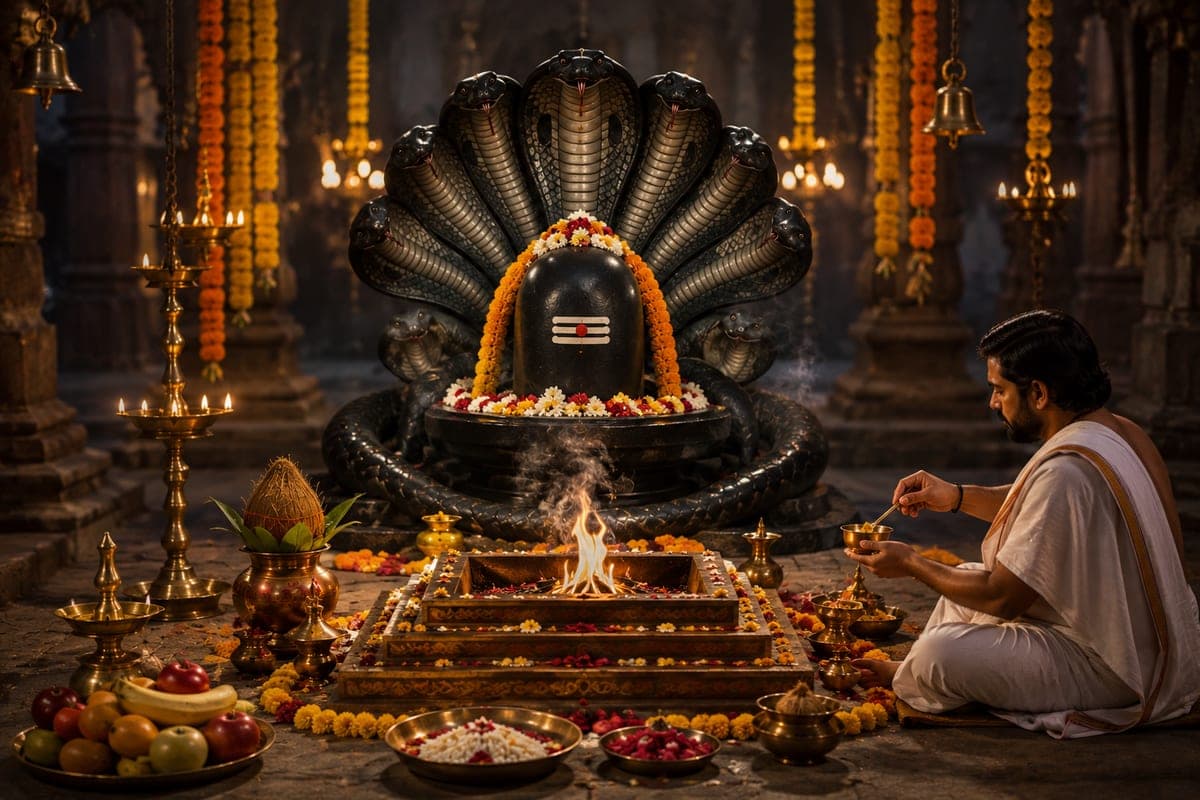
Ganapati Homa is a fire ritual specifically dedicated to Lord Ganesha, involving offerings made into a sacred fire accompanied by mantras associated with this deity, typically performed to seek the removal of obstacles before a significant undertaking. Many pilgrims specifically arrange Ganapati Homa during their Yatra to mark a personal intention, vow, or family occasion.
Why Ganapati Homa Often Comes First
Reflecting the broader tradition of worshipping Ganesha before other deities, a Ganapati Homa is frequently performed as the opening ritual within a larger ceremonial sequence, such as before a Navchandi Yagya or significant temple event. Priests performing Ganapati Homa are generally willing to briefly explain the ritual to curious pilgrims, particularly at quieter, less crowded temples.
Sponsoring Ganapati Homa During a Yatra
Pilgrims beginning a significant Yatra or undertaking a major ritual sequence sometimes specifically arrange a Ganapati Homa first, seeking Ganesha's blessing to help ensure the smooth completion of what follows. The exact steps involved in Ganapati Homa can vary somewhat between temples, though the underlying devotional purpose remains broadly consistent across India.