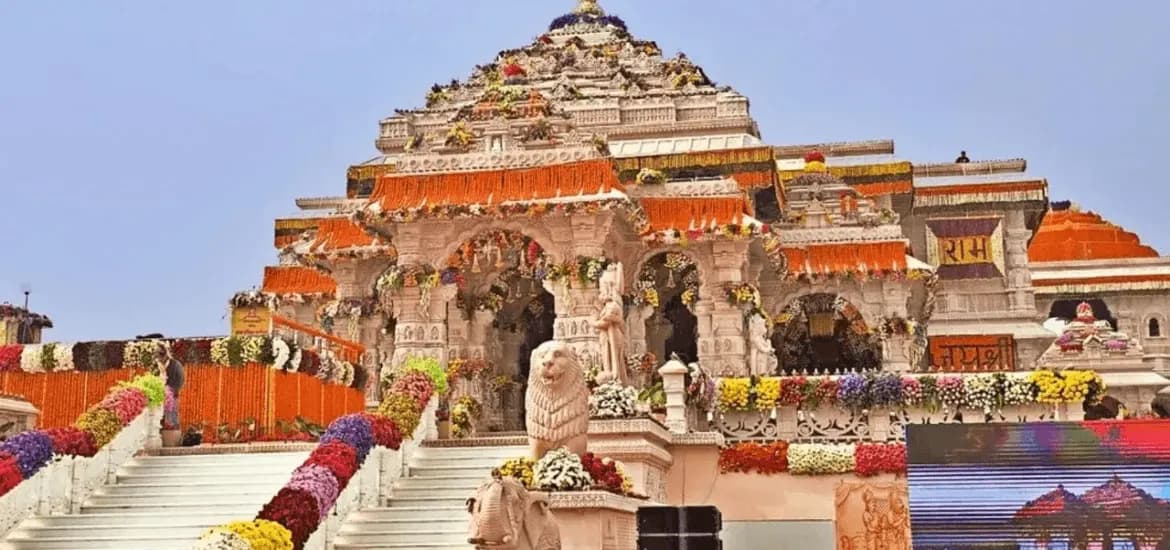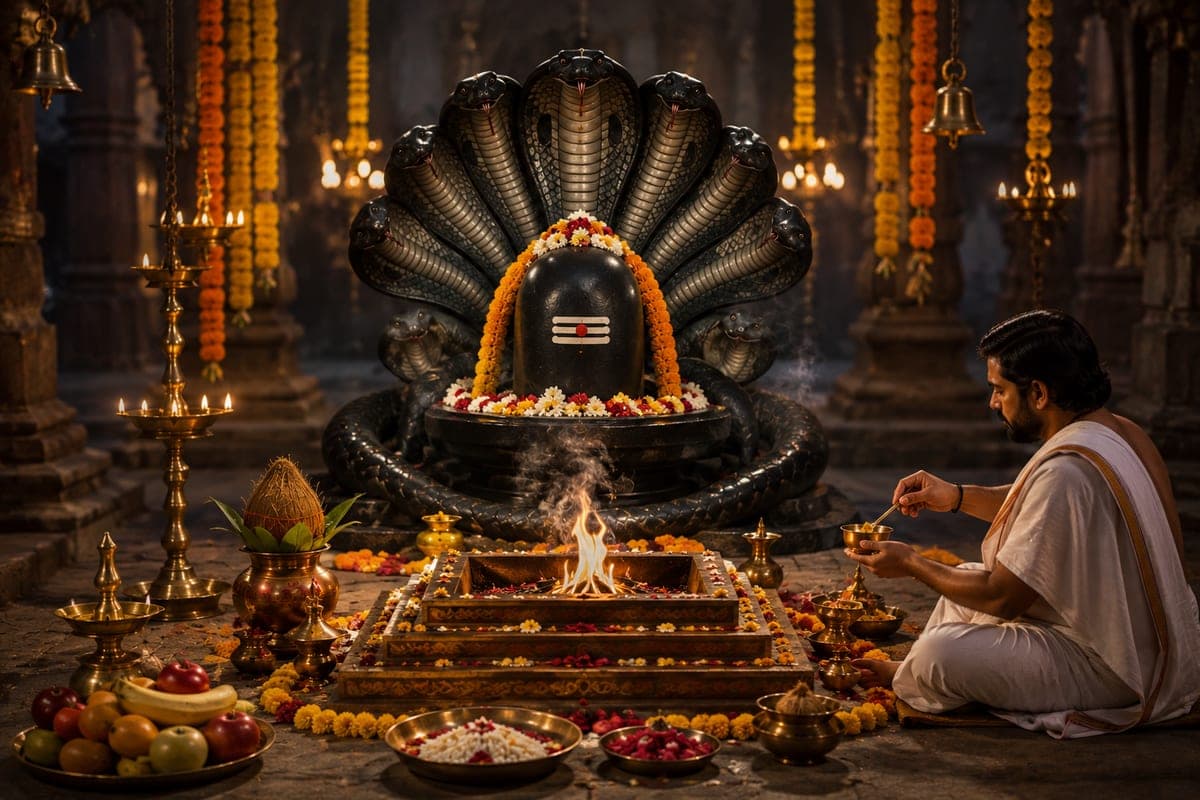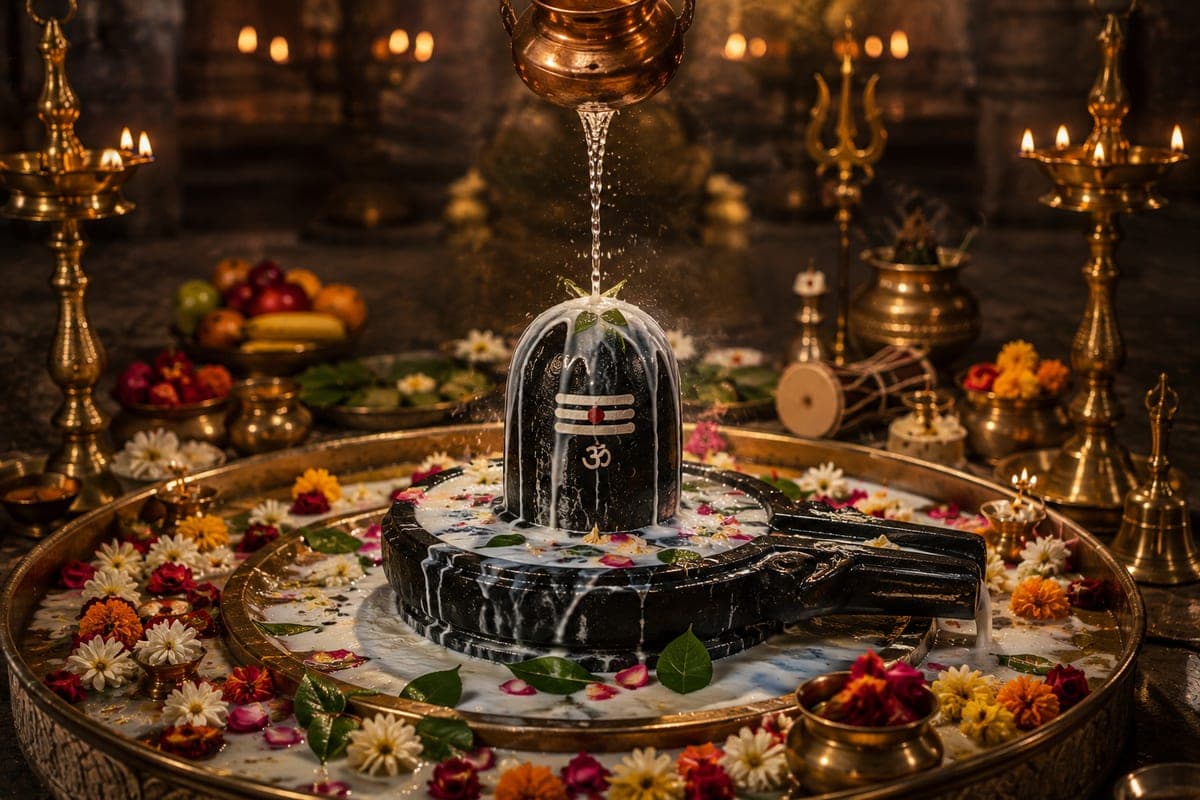
As daylight fades, many temples perform evening aarti, an atmospheric ritual marking the close of the main darshan period. Understanding this timing helps pilgrims plan their visit to witness one of the most visually striking moments in a temple's daily schedule.
What Is Evening Aarti?
Evening aarti refers to the aarti performed at dusk, typically marking the conclusion of a temple's main daily darshan period, often featuring more elaborate lamps and larger attendance compared to daytime rituals. Priests performing Evening Aarti are generally willing to briefly explain the ritual to curious pilgrims, particularly at quieter, less crowded temples.
Evening Aarti and Sandhya Aarti
This term closely overlaps with Sandhya Aarti, both referring to evening worship, with some temples using the terms interchangeably while others distinguish subtle differences in timing or specific ritual elements. Many pilgrims specifically arrange Evening Aarti during their Yatra to mark a personal intention, vow, or family occasion.
Attending Evening Aarti During a Yatra
Pilgrims wishing to witness evening aarti should arrive with sufficient time before dusk, as popular temples can see significant crowds gathering specifically for this atmospheric conclusion to the day's main darshan period. The exact steps involved in Evening Aarti can vary somewhat between temples, though the underlying devotional purpose remains broadly consistent across India.