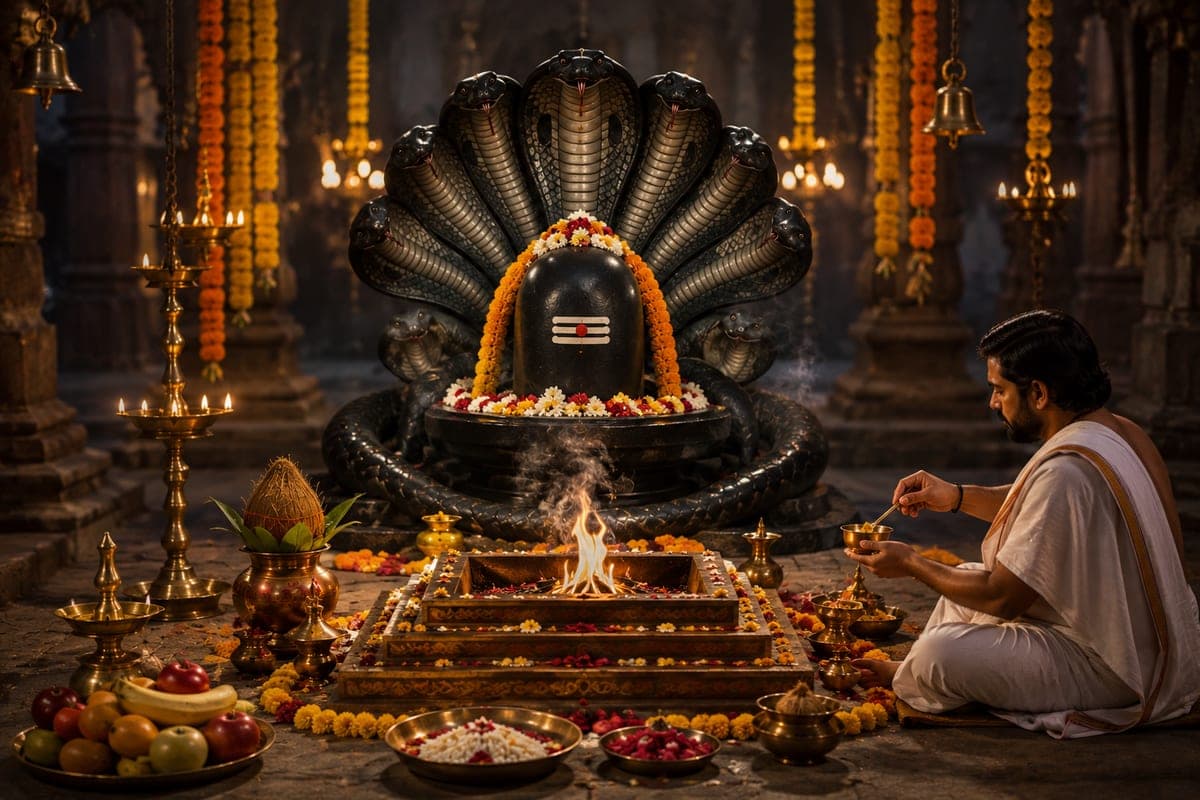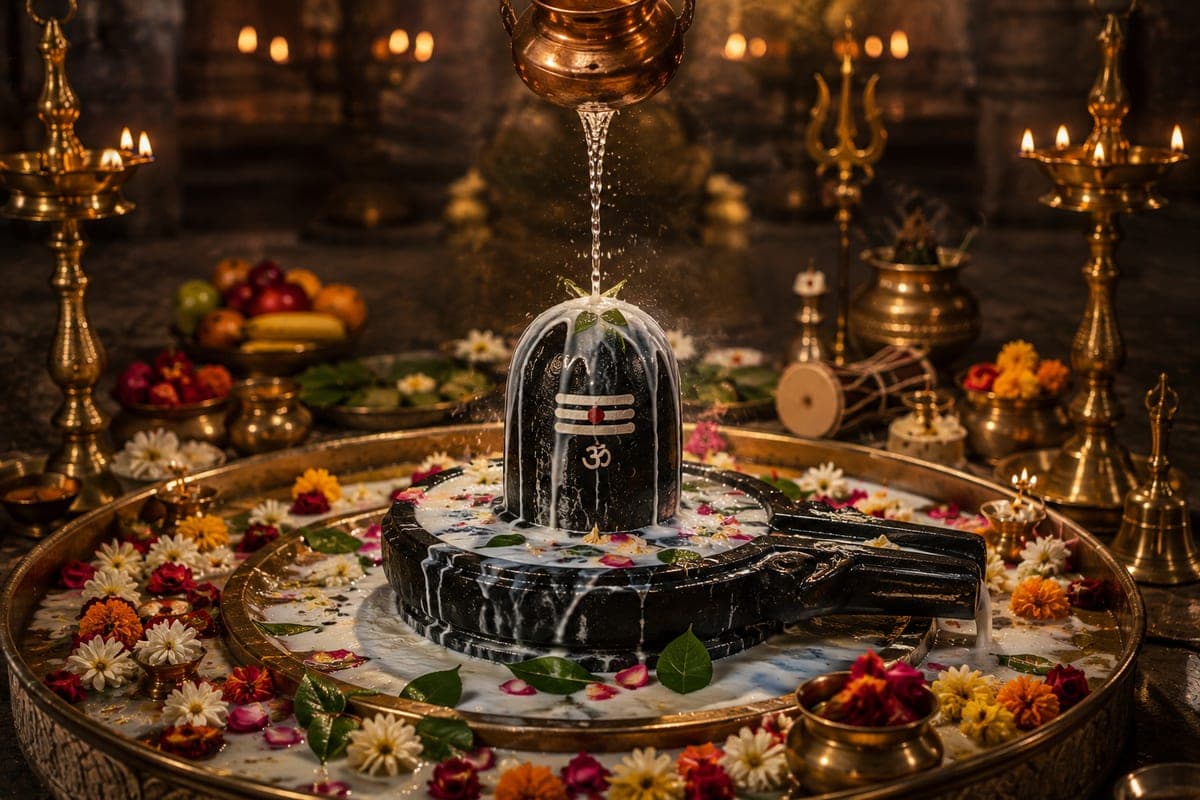
Some elaborate pujas call for Ashtadravya, a defined set of eight specific substances prepared according to prescribed ritual guidelines. Understanding this more precise term helps pilgrims appreciate the careful, specific material preparation behind certain significant temple ceremonies.
What Is Ashtadravya?
Ashtadravya refers to a defined set of eight specific substances, which can include items such as sandalwood, flowers, rice, and other materials depending on the specific tradition, combined for use in certain elaborate puja rituals. Regional practices around Ashtadravya vary somewhat across India, though its core devotional purpose remains widely recognised among Hindu pilgrims.
Ashtadravya Versus General Puja Samagri
While puja samagri refers broadly to the general collection of items used in any puja, Ashtadravya specifically denotes a prescribed set of eight particular substances required for certain more elaborate or specifically defined ceremonies. Vendors near many temples sell Ashtadravya to pilgrims, and priests can usually explain the correct way to use it during a visit.
Preparing Ashtadravya for a Ritual
Priests conducting a ceremony requiring Ashtadravya carefully gather the eight prescribed substances in advance, ensuring the ritual follows the specific traditional guidelines associated with this particular, more precisely defined offering. Many pilgrims keep a small amount of Ashtadravya from a significant Yatra as a lasting reminder of that particular temple visit.