Within many yantras and ritual diagrams lies the Ashtadal, an eight-petaled lotus design forming a foundational symbolic structure. Understanding this specific element helps pilgrims appreciate the careful geometric symbolism underlying certain elaborate rituals performed at temples.
What Is Ashtadal?
Ashtadal refers to an eight-petaled lotus design, commonly used as a foundational structure within yantras, mandalas, and other sacred geometric diagrams employed in specific Hindu rituals. Vendors near many temples sell Ashtadal to pilgrims, and priests can usually explain the correct way to use it during a visit.
Symbolism of the Eight Petals
The eight petals are traditionally associated with various sets of eight significant concepts or deities depending on the specific tradition, reinforcing the lotus's broader symbolic association with purity and spiritual unfolding. Many pilgrims keep a small amount of Ashtadal from a significant Yatra as a lasting reminder of that particular temple visit.
Ashtadal in Ritual Preparation
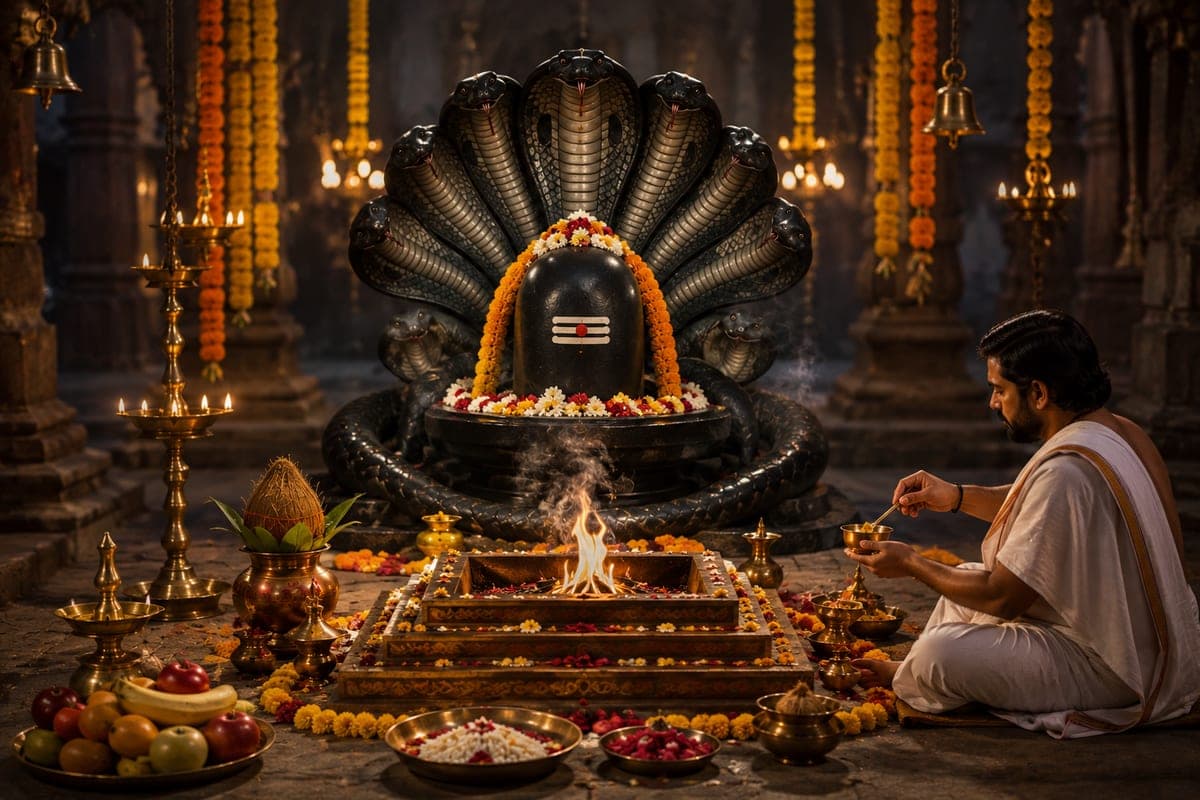
Priests preparing certain elaborate pujas or havans may draw an Ashtadal as part of the ceremonial setup, using this specific geometric foundation to structure the placement of offerings or ritual items during the ceremony. Regional practices around Ashtadal vary somewhat across India, though its core devotional purpose remains widely recognised among Hindu pilgrims.