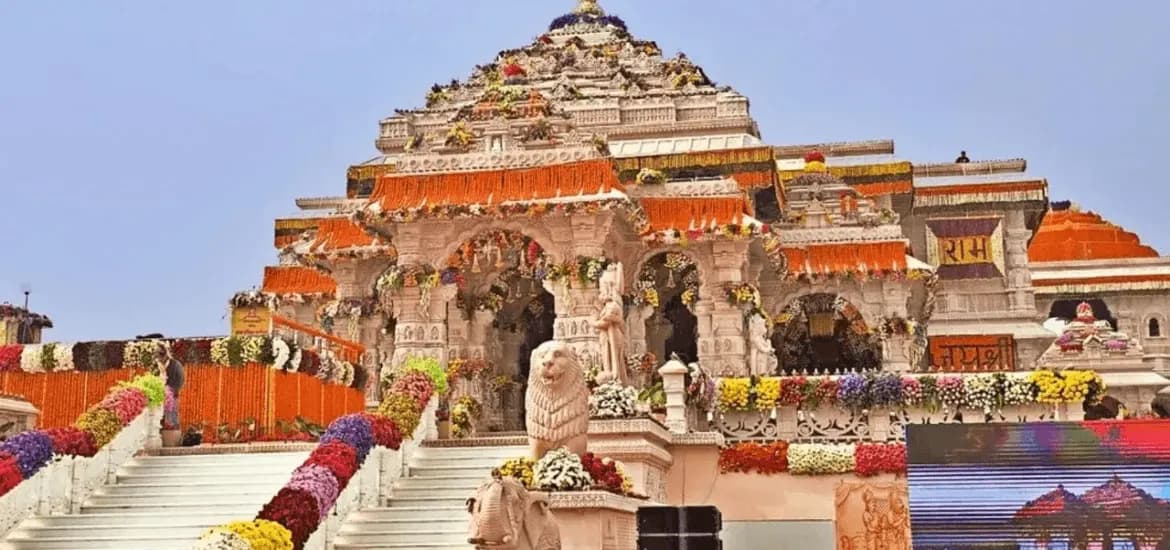
Between the inner sanctum and the outer hall of many temples lies the antarala, a small transitional chamber linking these two significant spaces. Understanding this architectural term helps pilgrims appreciate the careful, deliberate sequence of spaces designed into traditional temple layout.
What Is Antarala?
Antarala refers to a small vestibule or transitional chamber positioned between a temple's garbhagriha, the inner sanctum, and the mandapa, the outer hall, forming an important architectural connection within the overall temple design. Pilgrims interested in temple architecture sometimes specifically seek out well-preserved examples connected to Antarala during their Yatra.
Why the Antarala Matters in Temple Design
This transitional space is considered architecturally significant for managing the shift between the mandapa's more open, communal atmosphere and the garbhagriha's intensely sacred, restricted character. Architectural historians and temple guides often point to Antarala as an example of the careful planning behind traditional Hindu temple design.
Antarala and the Pilgrim's Approach to Darshan
Pilgrims moving toward the sanctum for darshan typically pass through the antarala as one of the final steps before reaching the garbhagriha, marking a subtle but architecturally meaningful stage in their approach to the deity. Regional variations in Antarala are common across India, reflecting centuries of distinct local building traditions and craftsmanship.