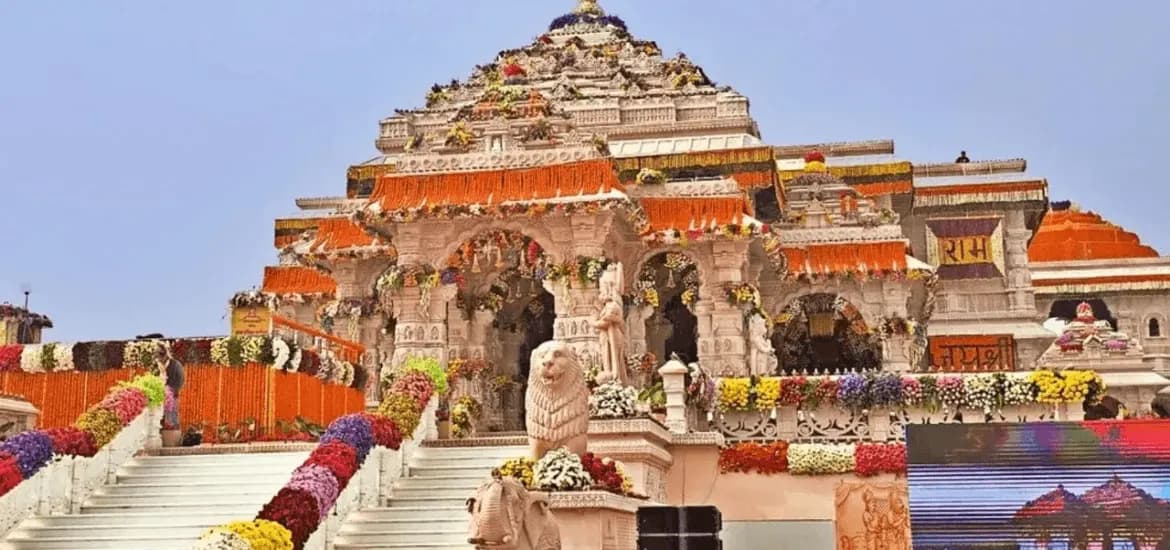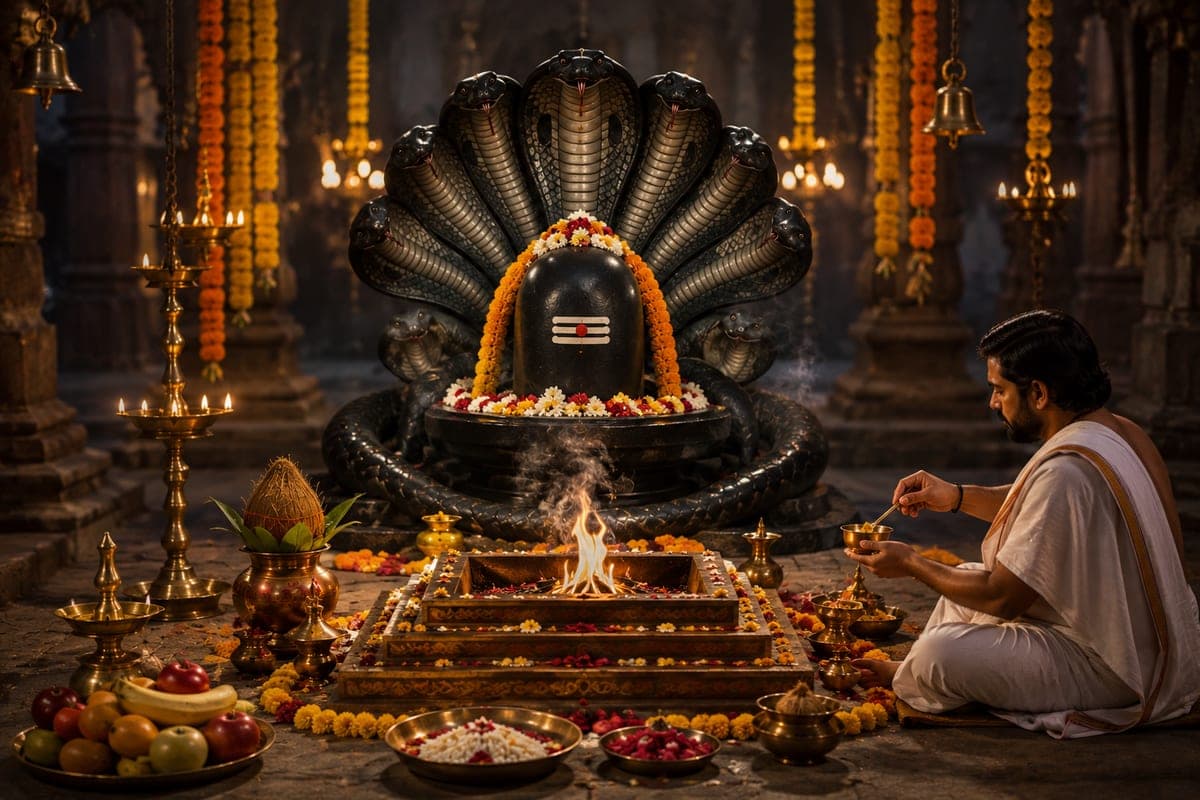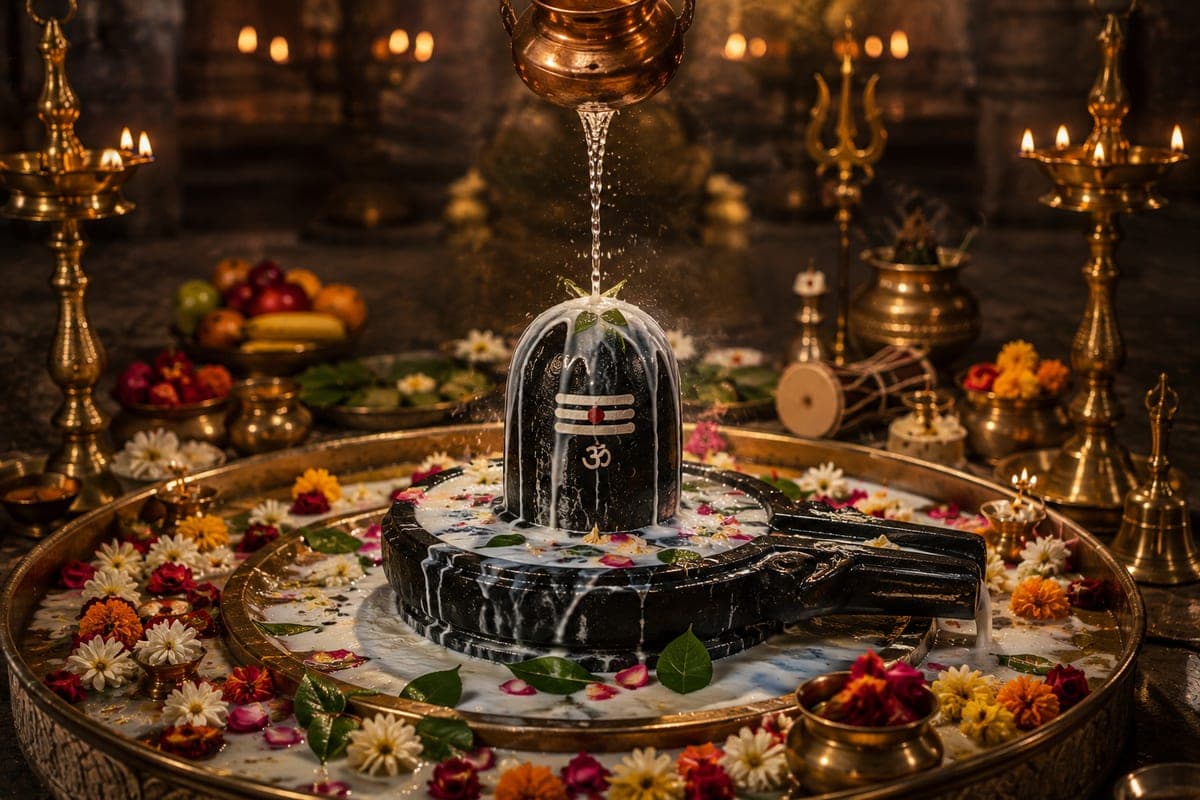
For most Indians, the word Yatra carries meaning far beyond simple travel. It describes a journey undertaken with devotion, usually to a temple, holy river, mountain shrine, or sacred city. Whether it is the Char Dham Yatra in the Himalayas or a family visit to a nearby temple town, a Yatra is treated as a spiritually meaningful act rather than a leisure trip. Understanding this term helps travellers appreciate the customs, discipline, and expectations that accompany pilgrimage travel in India, and why families often plan an entire year around a single significant journey.
What Does Yatra Mean?
The Sanskrit word Yatra literally translates to 'journey', but in religious usage it specifically refers to travel undertaken for spiritual or devotional purposes. This can include visiting a single temple, following a multi-site pilgrimage circuit, or journeying to a sacred river or mountain. Unlike a holiday, a Yatra is traditionally associated with intention, faith, and a sense of duty toward one's beliefs. Many families plan a Yatra around a specific vow, festival, or life event, treating the journey itself as part of the spiritual practice rather than just the destination. Even the mode of travel, whether on foot, by bus, or by train, can carry symbolic weight, with some pilgrims deliberately choosing more difficult routes as an added act of devotion. Seasoned pilgrims often note that patience and flexibility go a long way when navigating the practical realities behind Yatra, since crowds, weather, and local conditions can shift quickly.
Why Yatra Matters in Indian Culture
Pilgrimage has been part of Indian life for centuries, with ancient texts describing journeys to sacred rivers, mountains, and temple towns as a way to seek blessings, fulfil vows, or mark important life stages. A Yatra is often seen as an opportunity for reflection, discipline, and detachment from daily routine. Because of this deep cultural weight, Yatra planning in India often involves rituals before departure, specific conduct during the journey, and customs to be followed upon reaching the destination. Elders in a family often play an important role in guiding younger members through these customs, passing down knowledge about which rituals matter most at each stage of the journey. Local guides and temple volunteers are often a useful resource for pilgrims wanting a deeper understanding of Yatra, offering context that official signage or guidebooks may not fully capture.
Common Types of Yatra
India hosts several well-known Yatra circuits, such as the Char Dham Yatra covering Badrinath, Kedarnath, Gangotri, and Yamunotri, as well as journeys to the twelve Jyotirlinga temples or the Shakti Peethas. Some Yatras are annual events tied to specific dates, such as the Amarnath Yatra, while others can be undertaken any time of year. Each circuit has its own route, difficulty level, and religious significance, which travellers are expected to research before setting out. Regional Yatras, such as visits to local Devi temples or family deity shrines, are equally significant even though they may not carry the same national recognition as the larger circuits. Some families also observe smaller, more localised Yatras tied to a specific caste or community deity, which may not appear in general tourism guides but hold deep personal meaning.
Planning a Yatra as a Pilgrim
Anyone planning a Yatra should consider travel logistics such as accommodation, weather, altitude, and physical fitness, alongside the religious aspects of the journey. Many pilgrims also observe fasting, wear simple clothing, or follow specific conduct as part of their personal discipline during the Yatra. Booking through recognised tourism boards or temple trusts, checking seasonal accessibility, and understanding darshan timings at the destination can make the pilgrimage smoother and more meaningful. First-time pilgrims are often advised to travel with an experienced family member or a registered pilgrimage group, particularly for demanding routes in the Himalayas, where local knowledge can make a real difference to safety and comfort.