Among the most elaborate rituals in Hindu tradition is the yajna, a large-scale Vedic fire ceremony involving extensive offerings and mantra recitation. Understanding this practice, closely related to but generally larger in scale than a havan, helps pilgrims appreciate the most significant fire rituals encountered during major temple events.
What Is a Yajna?
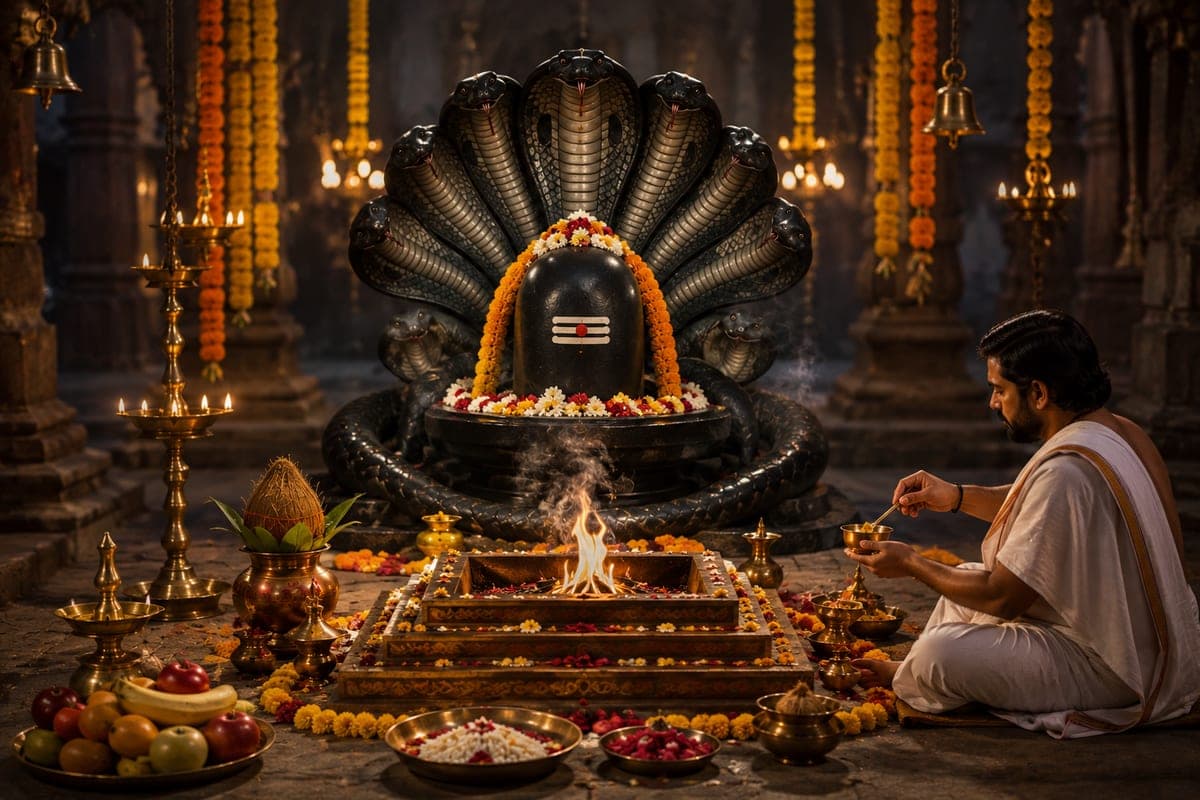
A yajna is a large-scale Vedic fire ritual involving offerings made into a sacred fire, accompanied by extensive mantra recitation, traditionally performed by multiple priests over an extended period for significant occasions. Many pilgrims specifically arrange Yajna during their Yatra to mark a personal intention, vow, or family occasion.
Yajna Versus Havan
While closely related, a havan is generally a smaller, more routine fire ceremony, whereas a yajna typically refers to a larger, more elaborate ritual, sometimes conducted over several days for particularly significant purposes. Priests performing Yajna are generally willing to briefly explain the ritual to curious pilgrims, particularly at quieter, less crowded temples.
Yajna During Pilgrimage Events
Pilgrims attending a major temple festival or significant community occasion may witness or contribute to a yajna, considered a particularly powerful collective act of devotion given the scale and duration of the ceremony. The exact steps involved in Yajna can vary somewhat between temples, though the underlying devotional purpose remains broadly consistent across India.