A vrat, a religious vow often centred on fasting and discipline, represents a personal commitment many devotees undertake for a specific spiritual purpose. Pilgrims frequently observe a vrat connected to their Yatra, treating the discipline as an integral part of the pilgrimage itself.
What Is a Vrat?
A vrat is a religious vow, typically involving fasting, specific dietary restrictions, or particular conduct, undertaken for a defined period to fulfil a personal intention, mark a religious occasion, or express devotion. The exact steps involved in Vrat can vary somewhat between temples, though the underlying devotional purpose remains broadly consistent across India.
Common Types of Vrat
Vrats can be observed for a single day, such as Ekadashi, or extend over weeks or months, such as the vrat observed before the Ayyappa Yatra to Sabarimala, each with its own specific rules and traditions. Many pilgrims specifically arrange Vrat during their Yatra to mark a personal intention, vow, or family occasion.
Vrat and Pilgrimage Preparation
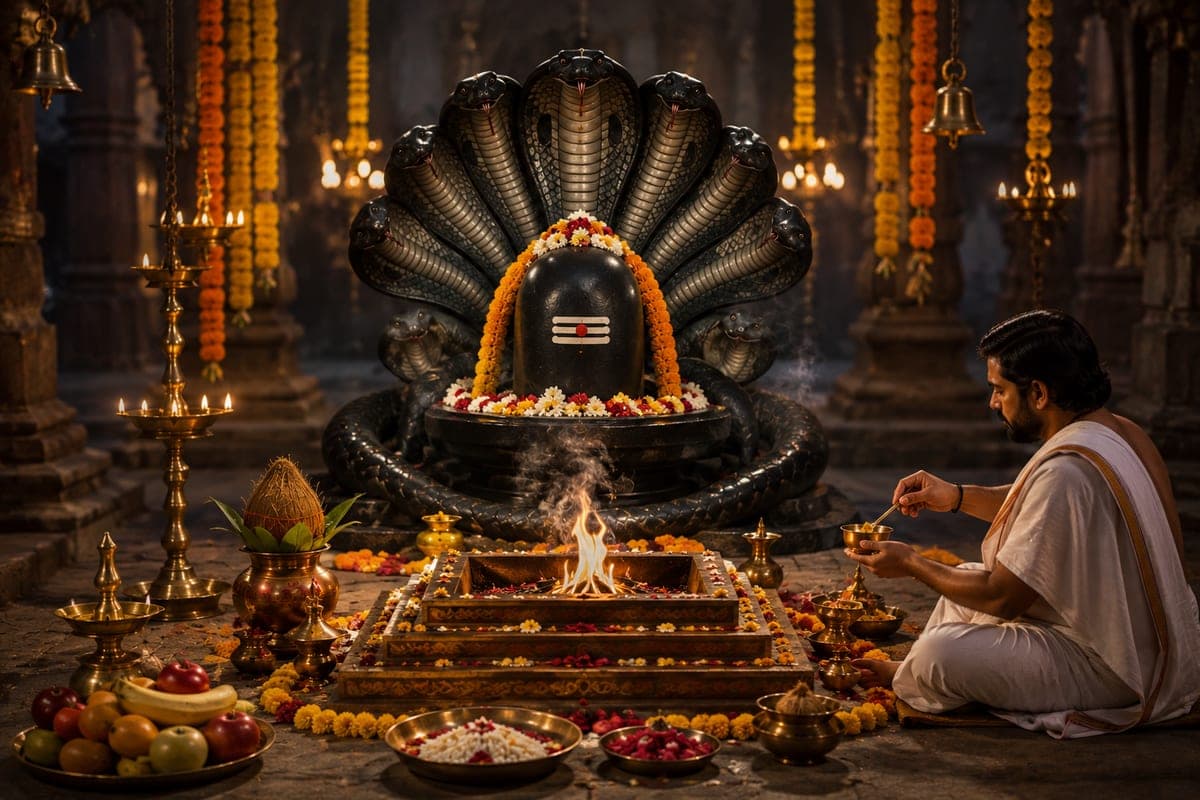
Many pilgrims undertake a specific vrat in the period leading up to a significant Yatra, viewing this discipline as essential preparation that aligns their body and mind with the spiritual purpose of the pilgrimage ahead. Priests performing Vrat are generally willing to briefly explain the ritual to curious pilgrims, particularly at quieter, less crowded temples.