Every Hindu ritual, from a simple puja to an elaborate havan, follows a specific vidhi, the prescribed sequence of steps considered necessary for the ceremony to be performed correctly. Understanding this concept helps pilgrims appreciate the careful structure behind rituals they sponsor during their Yatra.
What Does Vidhi Mean?
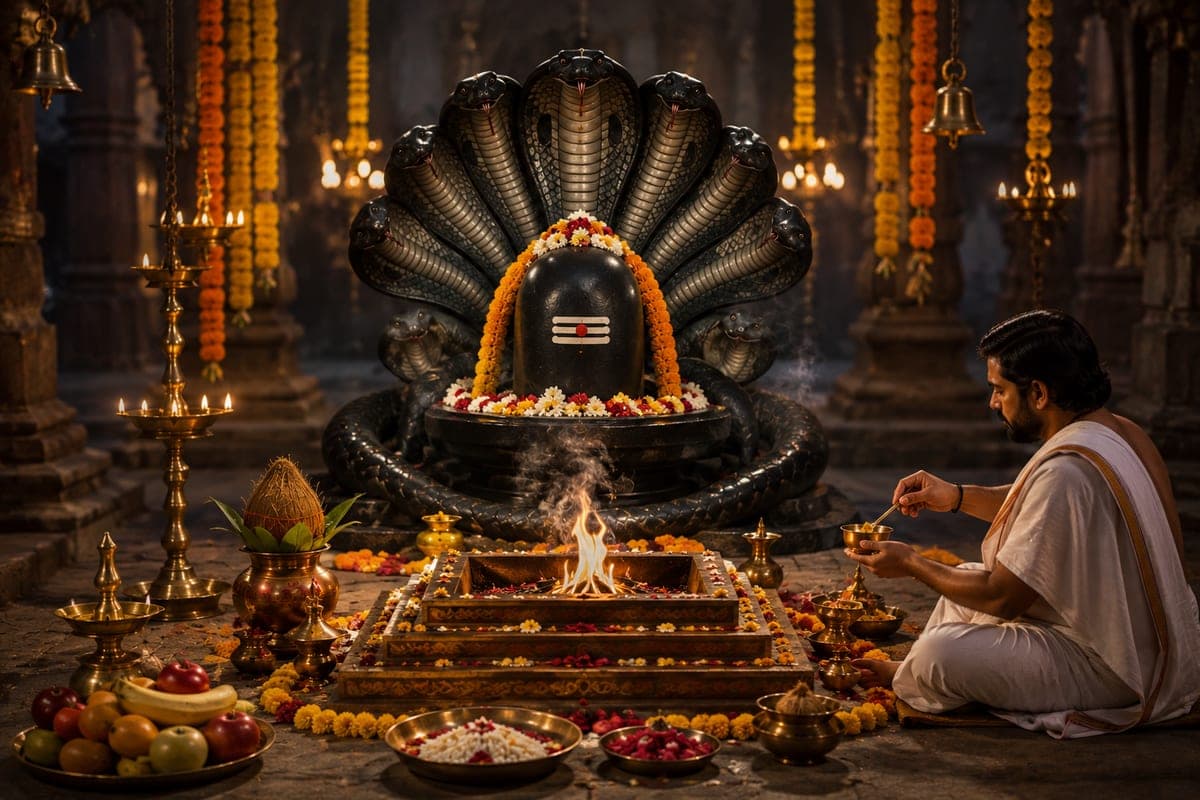
Vidhi refers to the prescribed method or procedure for correctly performing a Hindu ritual, including the specific sequence of steps, mantras, and offerings required, traditionally passed down through scripture and priestly training. Priests performing Vidhi are generally willing to briefly explain the ritual to curious pilgrims, particularly at quieter, less crowded temples.
Why Following Vidhi Matters
Priests are trained extensively to follow the correct vidhi for each specific ritual, believing that deviating from the prescribed sequence could reduce the ceremony's spiritual effectiveness according to tradition. The exact steps involved in Vidhi can vary somewhat between temples, though the underlying devotional purpose remains broadly consistent across India.
Vidhi During Pilgrimage Rituals
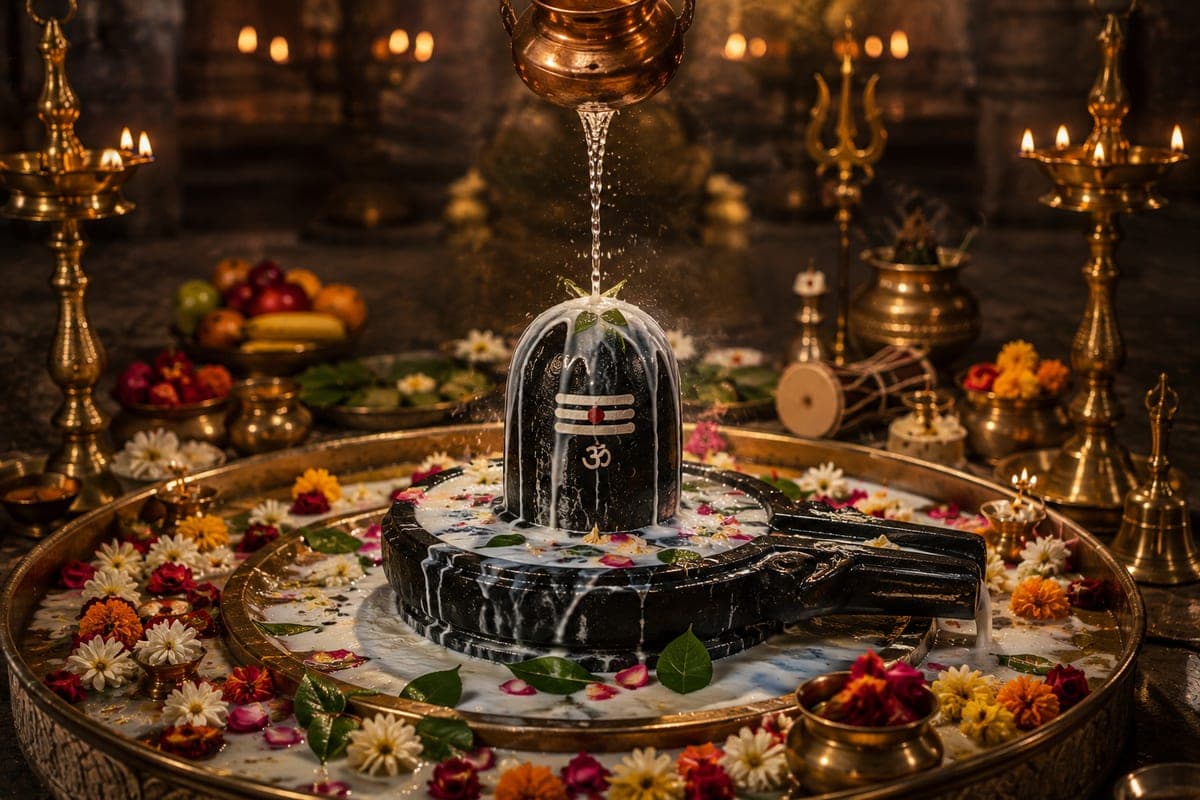
Pilgrims sponsoring a specific ritual, such as archana or Rudrabhishek, rely on the temple priest to follow the correct vidhi, even if they themselves are unfamiliar with the precise steps involved in the ceremony. Many pilgrims specifically arrange Vidhi during their Yatra to mark a personal intention, vow, or family occasion.