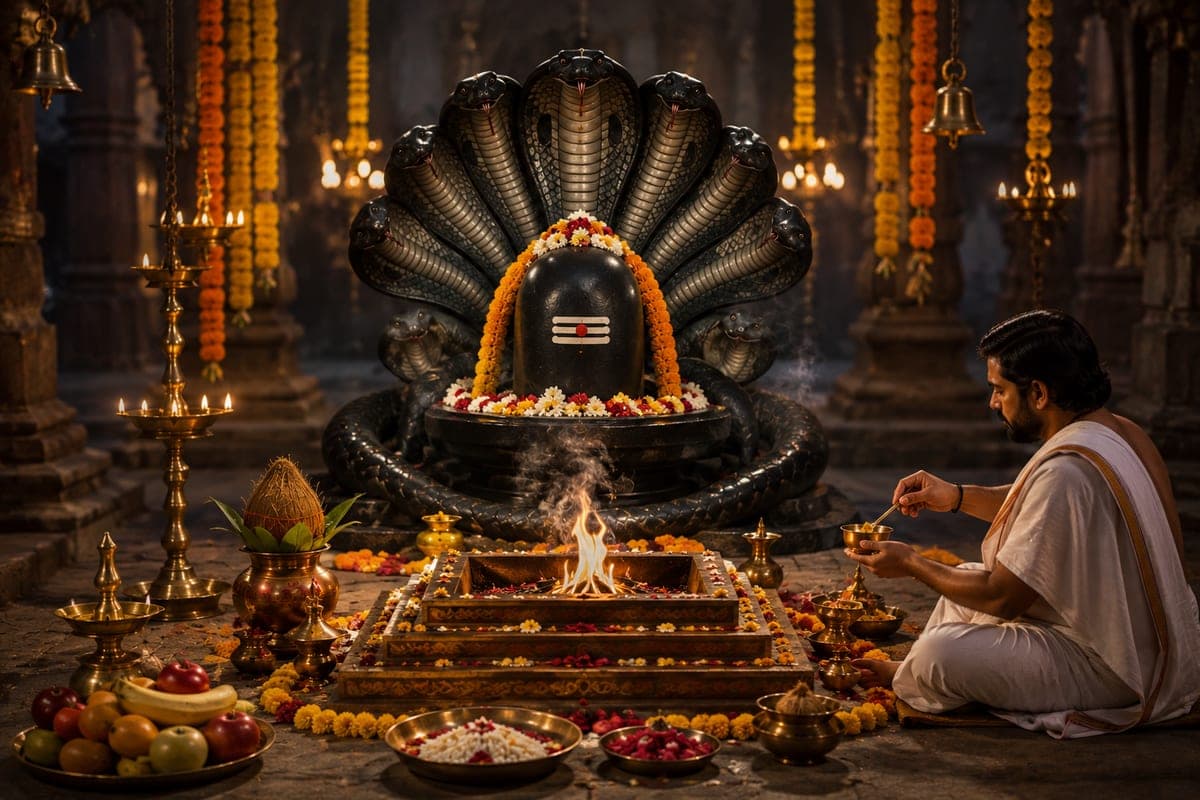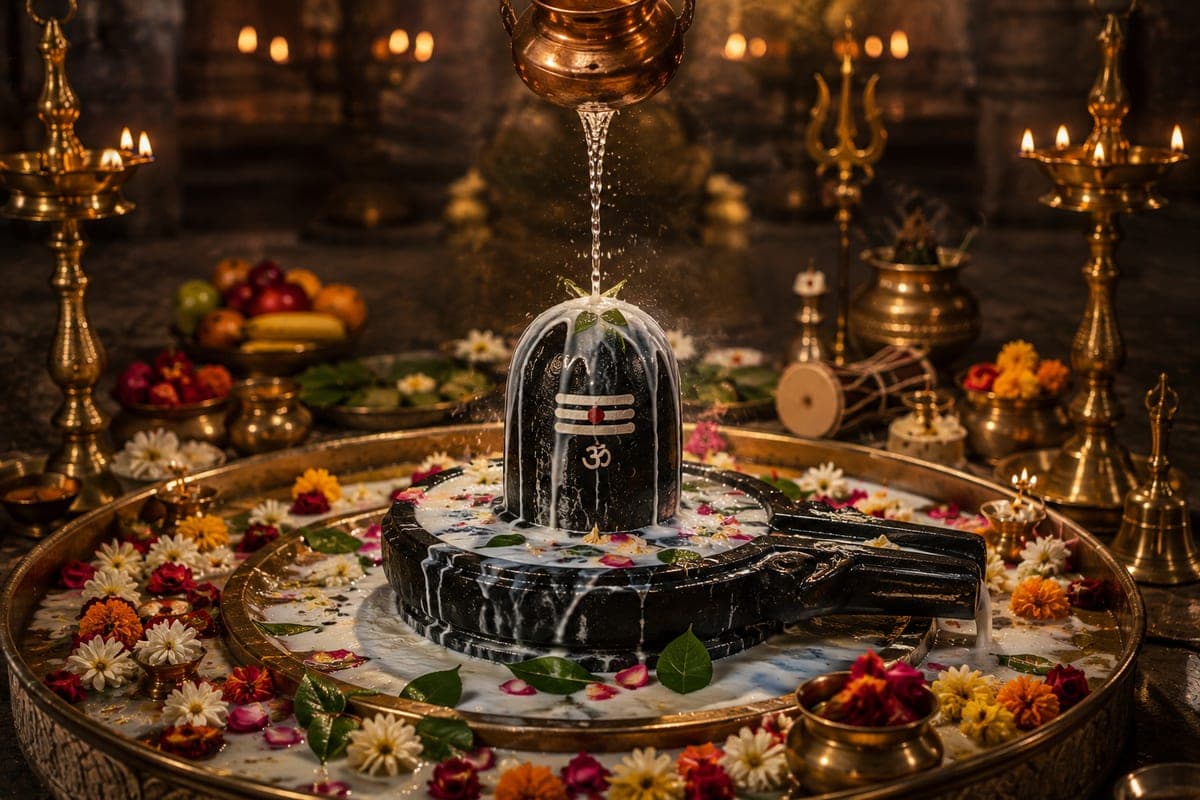
Among the marks pilgrims receive during darshan at a Shiva temple, Vibhuti, sacred ash, carries particularly deep symbolic meaning. Understanding its significance helps explain why this simple substance remains such an important part of Shaivite worship encountered during a Yatra.
What Is Vibhuti?
Vibhuti is sacred ash, traditionally produced from burnt cow dung, wood, or specific ritual fires, used in Hindu worship, particularly closely associated with Lord Shiva, who is often depicted covered in ash. Vendors near many temples sell Vibhuti to pilgrims, and priests can usually explain the correct way to use it during a visit.
Symbolism of Vibhuti
Applying Vibhuti is traditionally understood as a reminder of life's impermanence, since ash represents what remains after everything material has burned away, encouraging devotees toward detachment and spiritual reflection. Regional practices around Vibhuti vary somewhat across India, though its core devotional purpose remains widely recognised among Hindu pilgrims.
Vibhuti During Temple Visits
Pilgrims visiting Shiva temples commonly receive Vibhuti from a priest during darshan, applying it to the forehead as a mark of blessing, and some devotees carry a small amount home to continue using in personal daily worship. Many pilgrims keep a small amount of Vibhuti from a significant Yatra as a lasting reminder of that particular temple visit.