Behind the mantras chanted at nearly every temple ritual lies the Vedas, the oldest and most foundational body of Hindu scripture. Understanding this deep textual root helps pilgrims appreciate the long tradition underlying rituals they witness or participate in during their Yatra.
What Are the Vedas?
The Vedas are the oldest body of Hindu scripture, traditionally considered divinely revealed, comprising four main collections: the Rigveda, Yajurveda, Samaveda, and Atharvaveda. They form the foundational basis for much of subsequent Hindu religious thought and ritual. Scholars and temple priests continue to teach and discuss Vedas, keeping its relevance alive for each new generation of devotees.
Vedic Influence on Temple Rituals
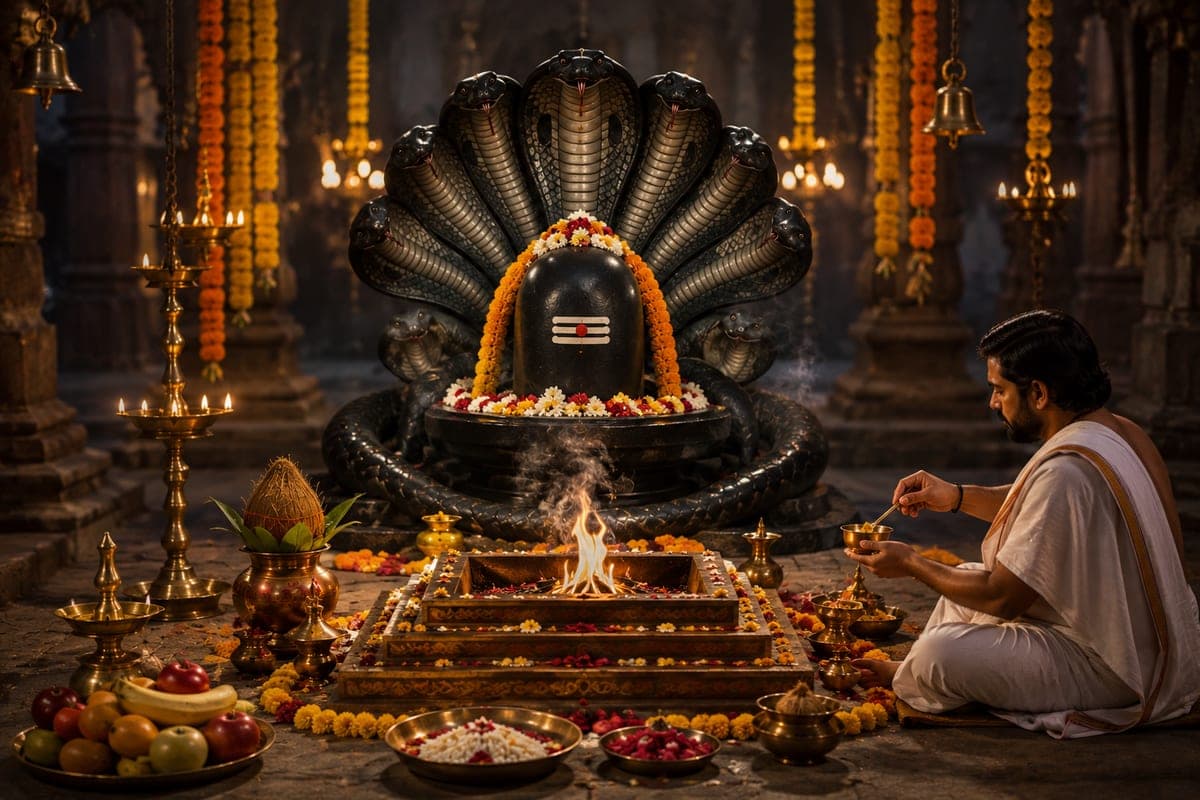
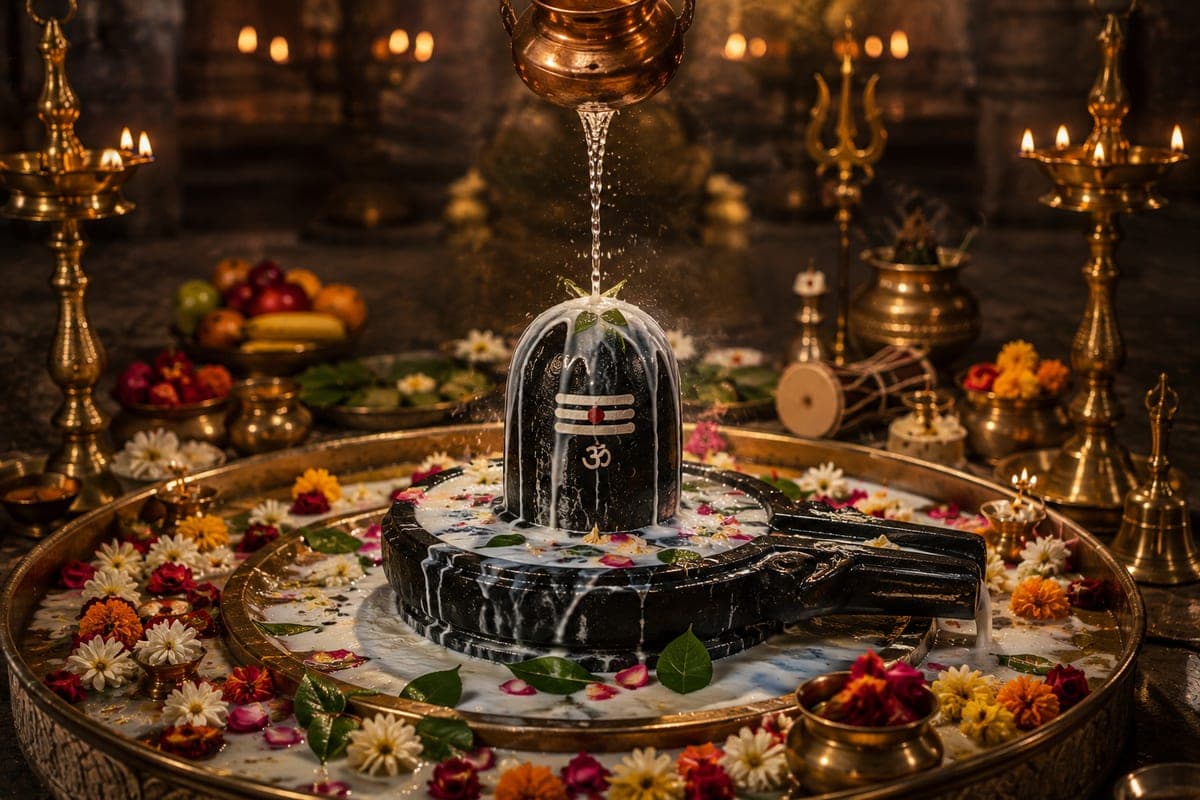
Many mantras chanted during temple rituals, including the Gayatri Mantra and various hymns recited during abhishek, trace their origins directly to the Vedas. This influence shapes the specific wording and structure of ceremonies performed at temples across India. Pilgrims encountering Vedas for the first time are often introduced to it gradually through family tradition rather than formal study alone.
Why the Vedas Matter to Pilgrims
While most pilgrims may never study the Vedas directly, their influence is present in nearly every formal ritual encountered during a Yatra, quietly shaping the sounds and structure of ceremonies performed by temple priests for centuries. References to Vedas appear across many regional Hindu traditions, with local interpretation shaping how it is understood by pilgrims today.