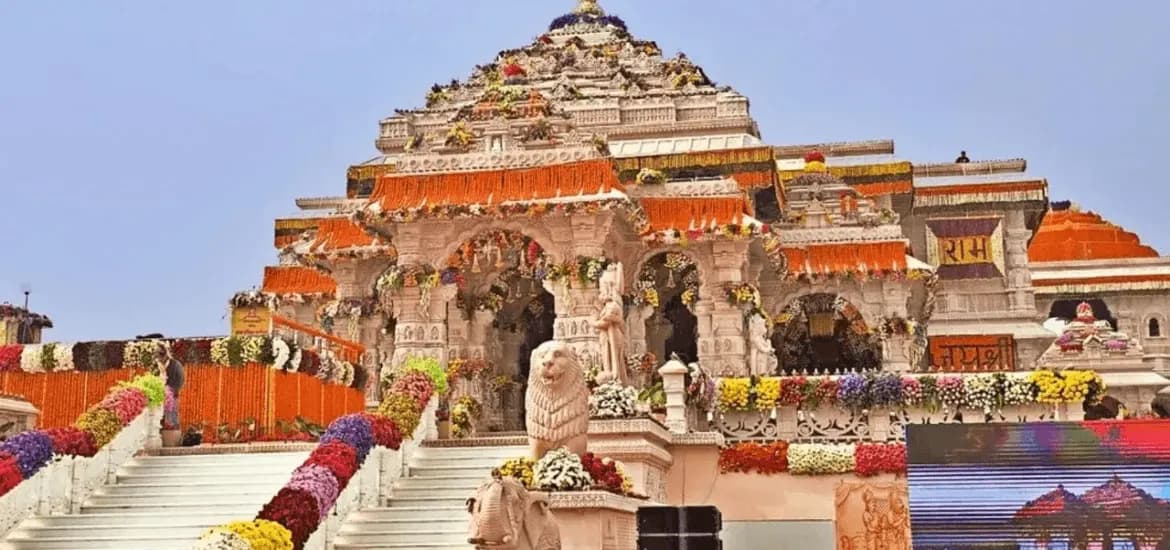
Long before modern architecture, Indian temple builders followed principles known as Vastu Shastra to guide the layout, orientation, and design of sacred structures. Understanding this traditional system helps pilgrims appreciate the careful planning behind many of the temples they visit during a Yatra.
What Is Vastu Shastra?
Vastu Shastra is a traditional Indian system of architecture and spatial design, offering guidelines on the layout, orientation, and construction of buildings, including temples, homes, and public structures. It is based on principles intended to align a structure harmoniously with natural and cosmic forces. Pilgrims interested in temple architecture sometimes specifically seek out well-preserved examples connected to Vastu Shastra during their Yatra.
Vastu Principles in Temple Design
Many Hindu temples are built following Vastu guidelines, particularly regarding the orientation of the sanctum and the overall layout of the complex. These principles are believed to have shaped temple construction for centuries across different regions of India. Regional variations in Vastu Shastra are common across India, reflecting centuries of distinct local building traditions and craftsmanship.
Why Vastu Matters to Pilgrims
While most pilgrims may not consciously notice Vastu principles during a temple visit, this underlying design philosophy shapes the layout pilgrims move through during darshan, from the entrance to the sanctum. Some pilgrims interested in temple architecture specifically seek out well-known examples during their Yatra. Architectural historians and temple guides often point to Vastu Shastra as an example of the careful planning behind traditional Hindu temple design.