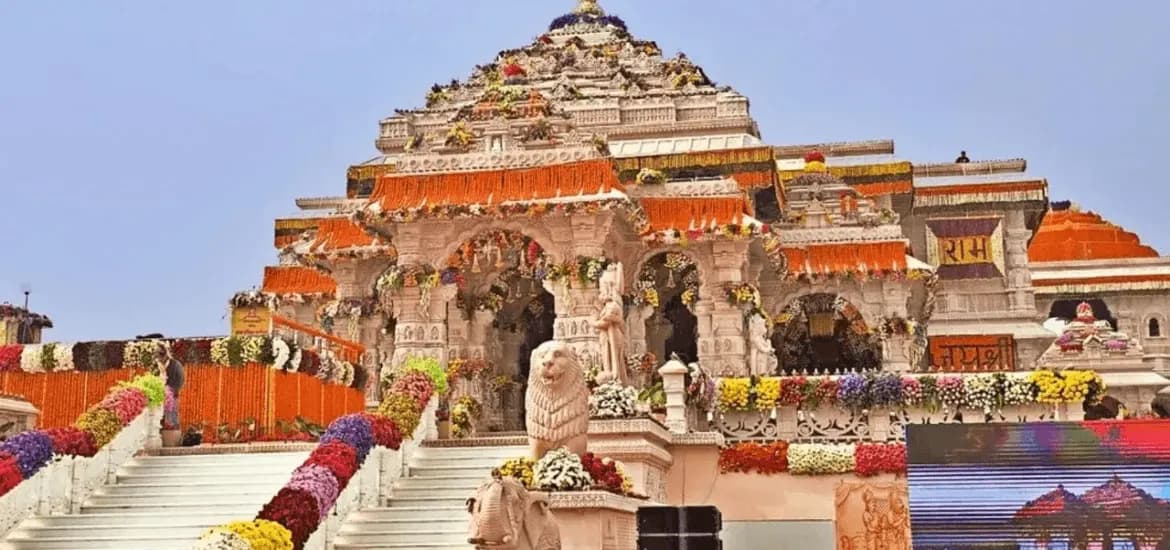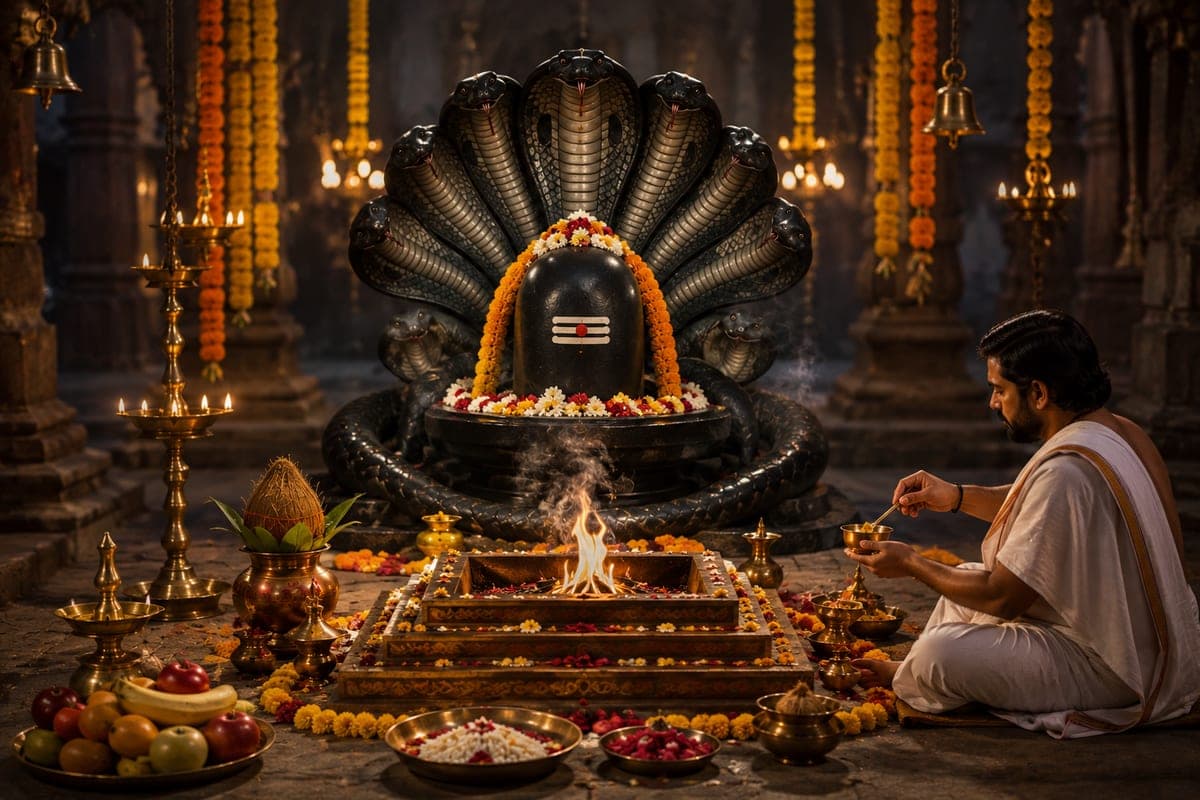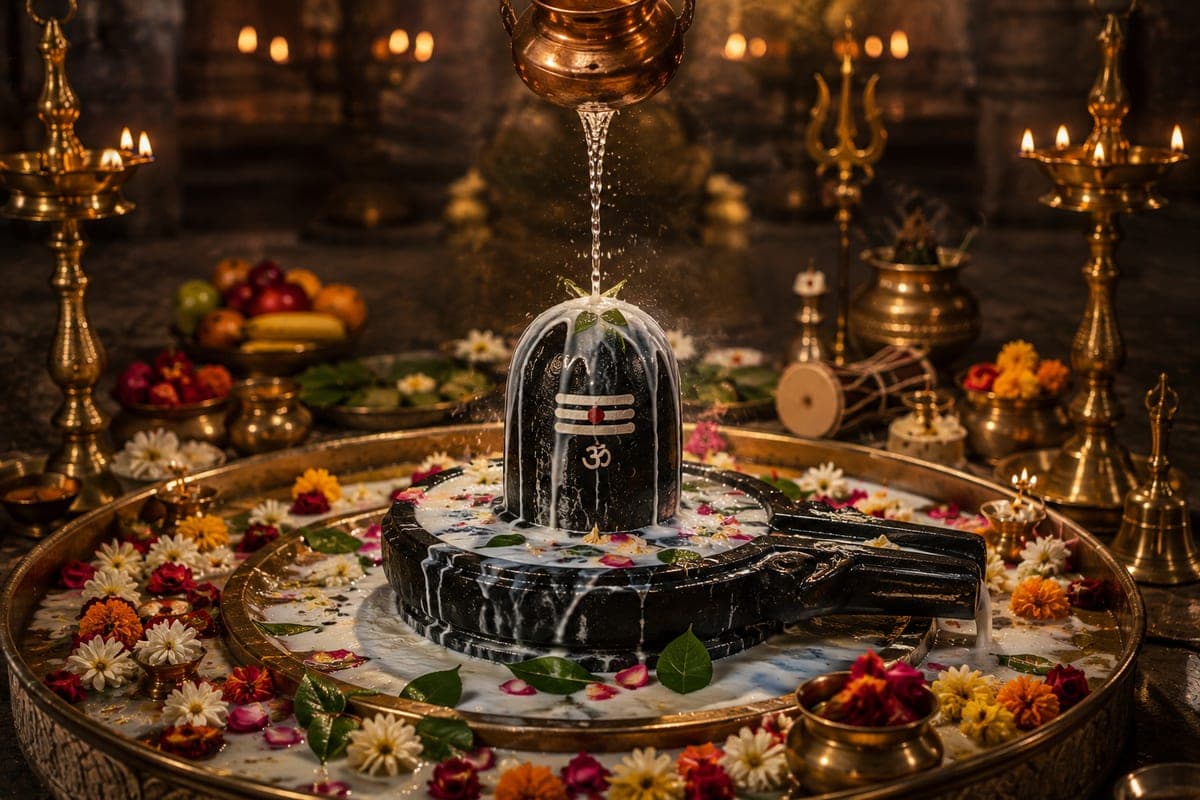
A respectful bow or salutation, known as vandana, is one of the simplest yet most universal gestures of devotion in Hindu worship. Pilgrims perform this act constantly during their Yatra, whether before a deity's idol, a guru, or an elder family member.
What Is Vandana?
Vandana refers to an act of respectful salutation, typically involving bowing or folded hands, offered to a deity, guru, elder, or sacred object as an expression of devotion and humility. It is one of the most basic and widely practised gestures in Hindu worship. The exact steps involved in Vandana can vary somewhat between temples, though the underlying devotional purpose remains broadly consistent across India.
Vandana in Temple Rituals
Pilgrims commonly perform vandana upon entering a temple, before the sanctum during darshan, and at various points throughout a puja or ceremony. This simple gesture is considered an essential expression of respect accompanying nearly every formal act of worship. Many pilgrims specifically arrange Vandana during their Yatra to mark a personal intention, vow, or family occasion.
Vandana Beyond the Temple
Vandana is not limited to temple settings, extending to how devotees greet gurus, elders, and even sacred natural features like rivers or mountains encountered during a Yatra, reflecting a broader cultural value of respect embedded throughout Hindu religious practice. Priests performing Vandana are generally willing to briefly explain the ritual to curious pilgrims, particularly at quieter, less crowded temples.