Beyond occasional temple visits, many devotees maintain a regular upasana, a sustained personal practice of devotion or meditation. Understanding this term helps explain why some pilgrims describe their Yatra not as a single event but as part of an ongoing spiritual discipline.
What Is Upasana?
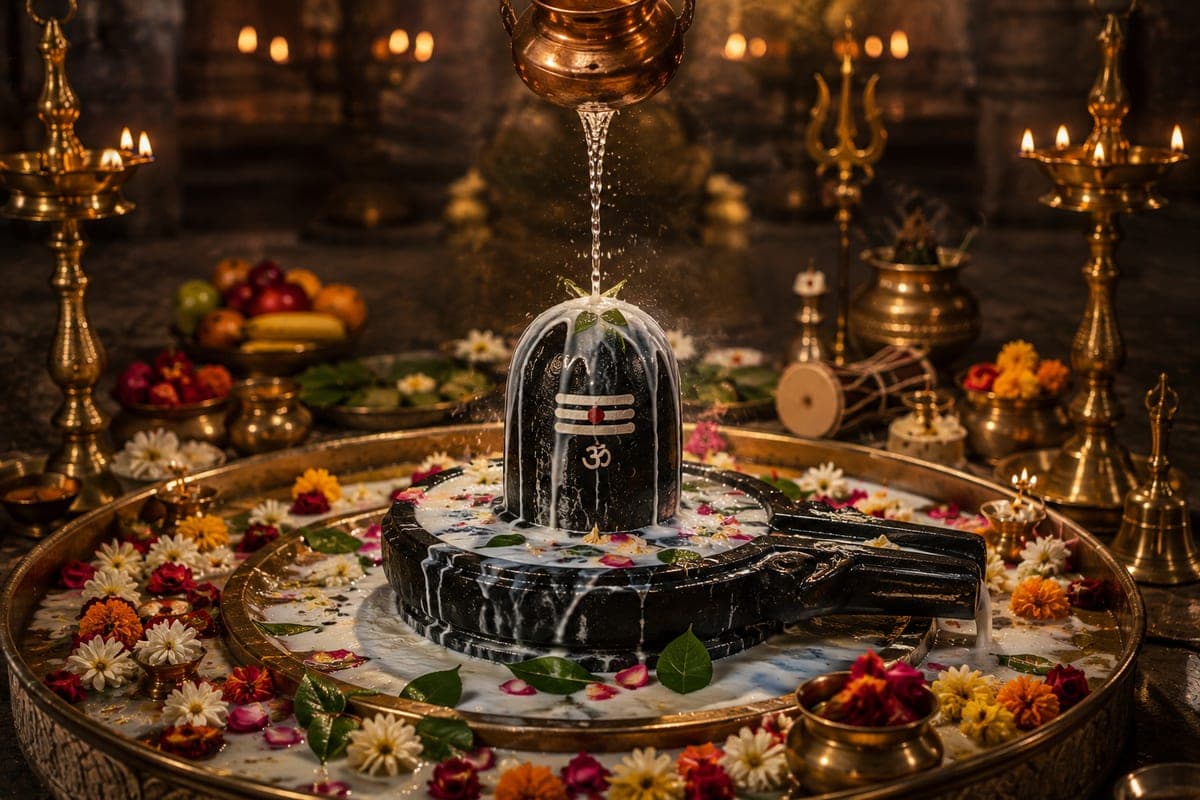
Upasana refers to sustained devotional practice or meditation, typically focused on a chosen deity, mantra, or spiritual concept, pursued regularly over time rather than as an occasional act of worship. Interpretations of Upasana can differ somewhat between spiritual traditions, though its broad significance is recognised across most schools of Hindu thought.
Upasana as Personal Spiritual Discipline
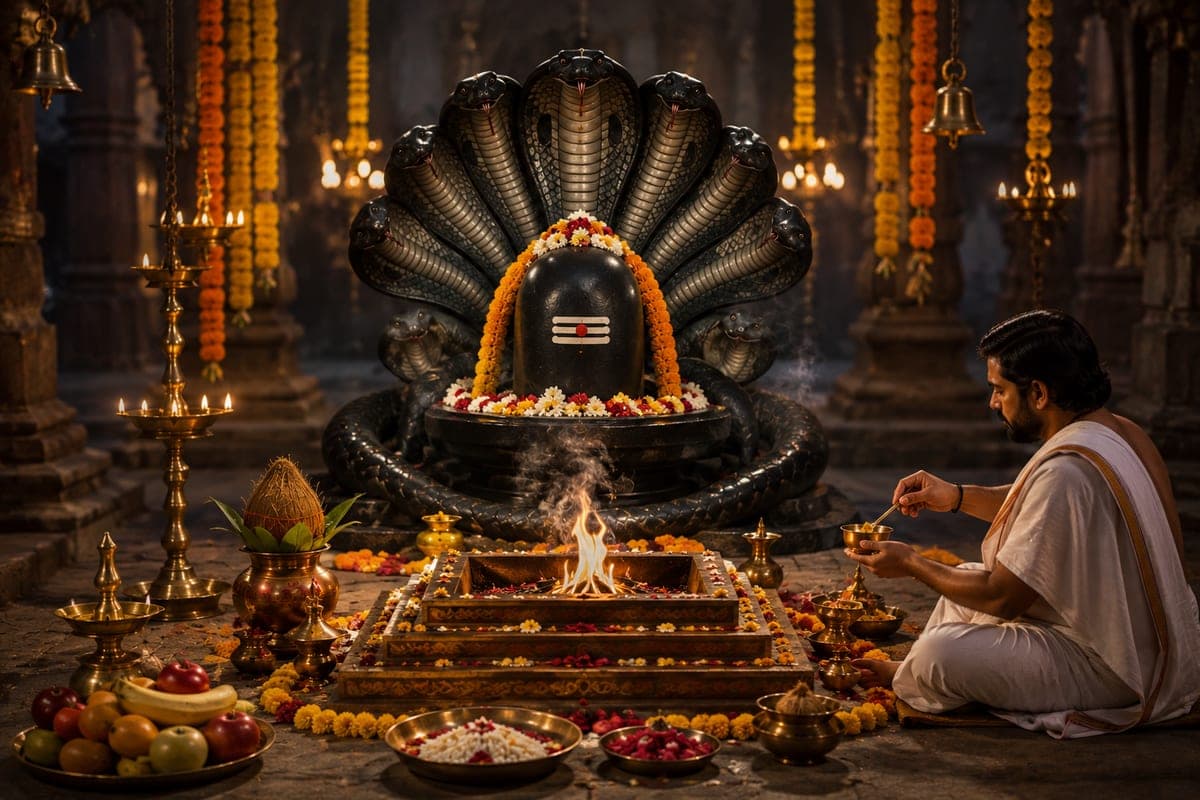
Many devotees maintain a personal upasana practice at home, involving daily prayer, meditation, or recitation, treating it as an ongoing commitment rather than a one-time ritual, often guided by a guru's instruction. Teachers at ashrams and ancient texts alike continue to explore Upasana, reflecting its lasting relevance in Hindu spiritual thought.
Upasana and Pilgrimage
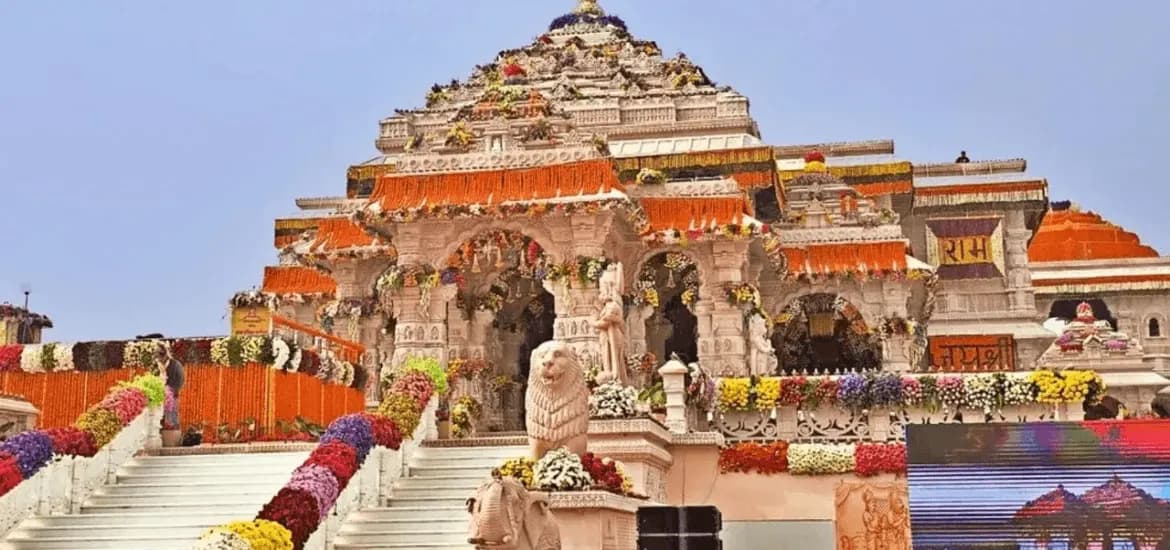
Pilgrims with an established upasana practice often use their Yatra as an opportunity to deepen this discipline, seeking a guru's guidance or performing their regular practice at a particularly significant temple or ashram. Pilgrims interested in Upasana often deepen their understanding gradually through ashram visits or discussion with a guru during their Yatra.