Among the various tilak styles found across Hindu tradition, Tripundra, three horizontal lines typically made of sacred ash, specifically marks devotion to Lord Shiva. Understanding this distinctive mark helps pilgrims recognise Shaivite devotees and priests encountered throughout their Yatra.
What Is Tripundra?
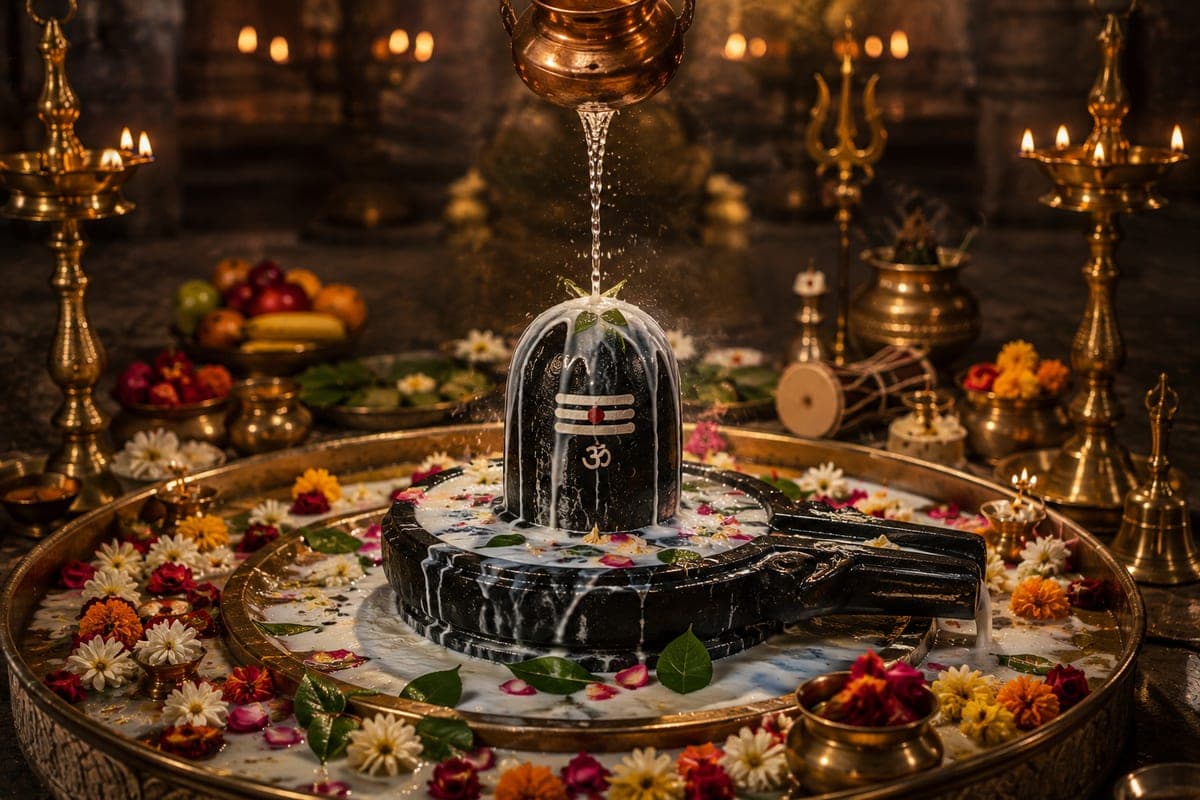
Tripundra refers to a tilak mark consisting of three horizontal lines, typically applied across the forehead using vibhuti, sacred ash, closely associated with devotion to Lord Shiva and worn by many of his devotees. Regional practices around Tripundra vary somewhat across India, though its core devotional purpose remains widely recognised among Hindu pilgrims.
Symbolism of the Three Lines
The three lines of Tripundra are traditionally interpreted as representing various triads within Shaivite philosophy, distinguishing this mark visually from the vertical Urdhva Pundra worn by devotees of Vishnu. Vendors near many temples sell Tripundra to pilgrims, and priests can usually explain the correct way to use it during a visit.
Tripundra at Shiva Temples
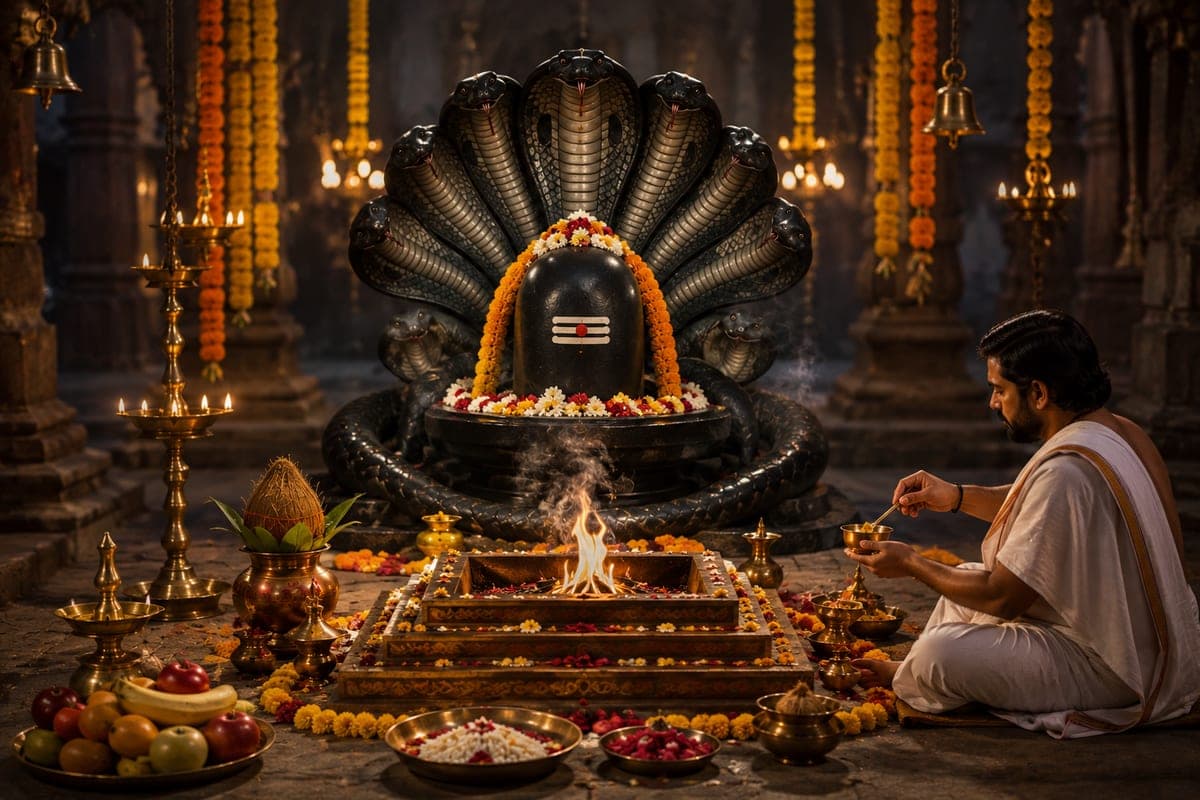
Pilgrims visiting Shiva temples will frequently see priests and devotees wearing Tripundra, and some temples offer this mark to visiting pilgrims as part of the darshan or abhishek experience, using ash from the temple's own rituals. Many pilgrims keep a small amount of Tripundra from a significant Yatra as a lasting reminder of that particular temple visit.