Every Yatra in India ultimately revolves around the temple, or mandir, as its central destination. More than just a building, a temple is considered the earthly residence of a deity, designed according to specific architectural and religious principles refined over centuries. For pilgrims, understanding the basic structure and purpose of a temple helps make sense of the rituals, queues, and customs encountered during a visit, whether at a small village shrine or a vast, historic pilgrimage complex drawing thousands of devotees each day.
What Is a Temple or Mandir?
A temple or mandir is a structure specifically consecrated for housing and worshipping a deity, following religious rites that are believed to invite the deity's presence into the idol or symbol placed within. Temples range from small roadside shrines to vast complexes covering several acres, but all share the same core purpose of enabling darshan and worship. The term mandir is commonly used in Hindi-speaking regions, while temple is the standard English equivalent used across India. Regional languages also use their own terms, such as kovil in Tamil Nadu, though the underlying religious function remains consistent across the country. Some temples are built around a single main deity, while others house an entire family of associated gods and goddesses within the same complex, reflecting the specific religious tradition of the region. Local historians and temple guides can often provide additional context on Temple that goes beyond what is available in standard tourist literature, enriching a pilgrim's overall visit.
Key Parts of a Hindu Temple
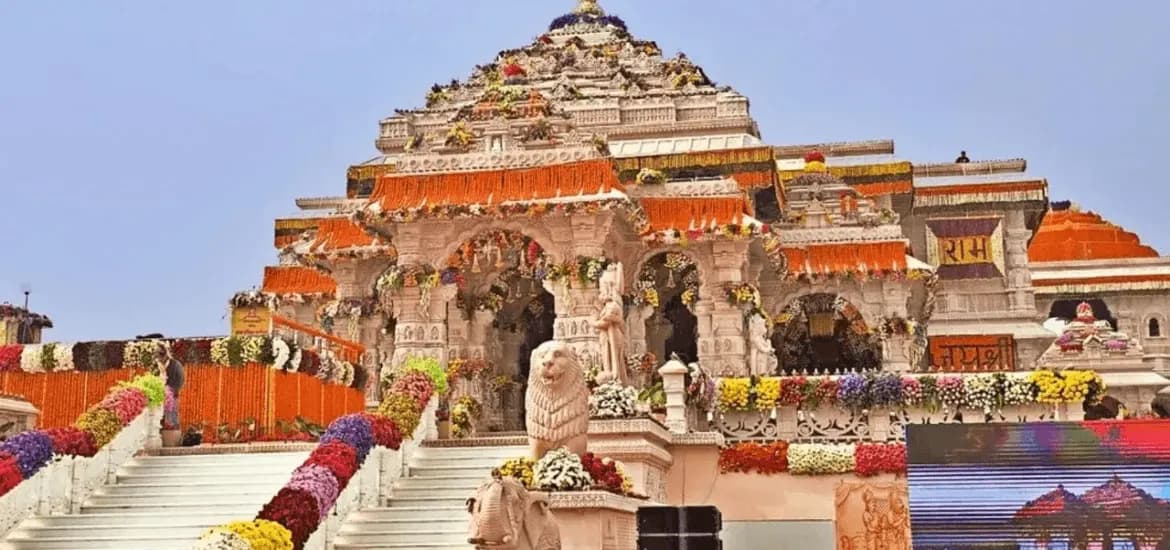
Most Hindu temples share common architectural elements, including the garbhagriha or sanctum where the main deity is placed, the mandapa or hall for gatherings, and often a shikhara or gopuram marking the temple's tower. Larger temple complexes may include multiple shrines, tanks, and courtyards dedicated to secondary deities alongside the main sanctum. Recognising these parts helps pilgrims understand the flow of a temple visit, from entry and queuing to the final darshan at the sanctum, and explains why some temples can take several hours to fully explore given the scale of their layout. Photography enthusiasts and architecture students sometimes visit sites connected to Temple specifically to study design elements that have influenced temple construction across different regions of India.
Role of the Temple During a Yatra
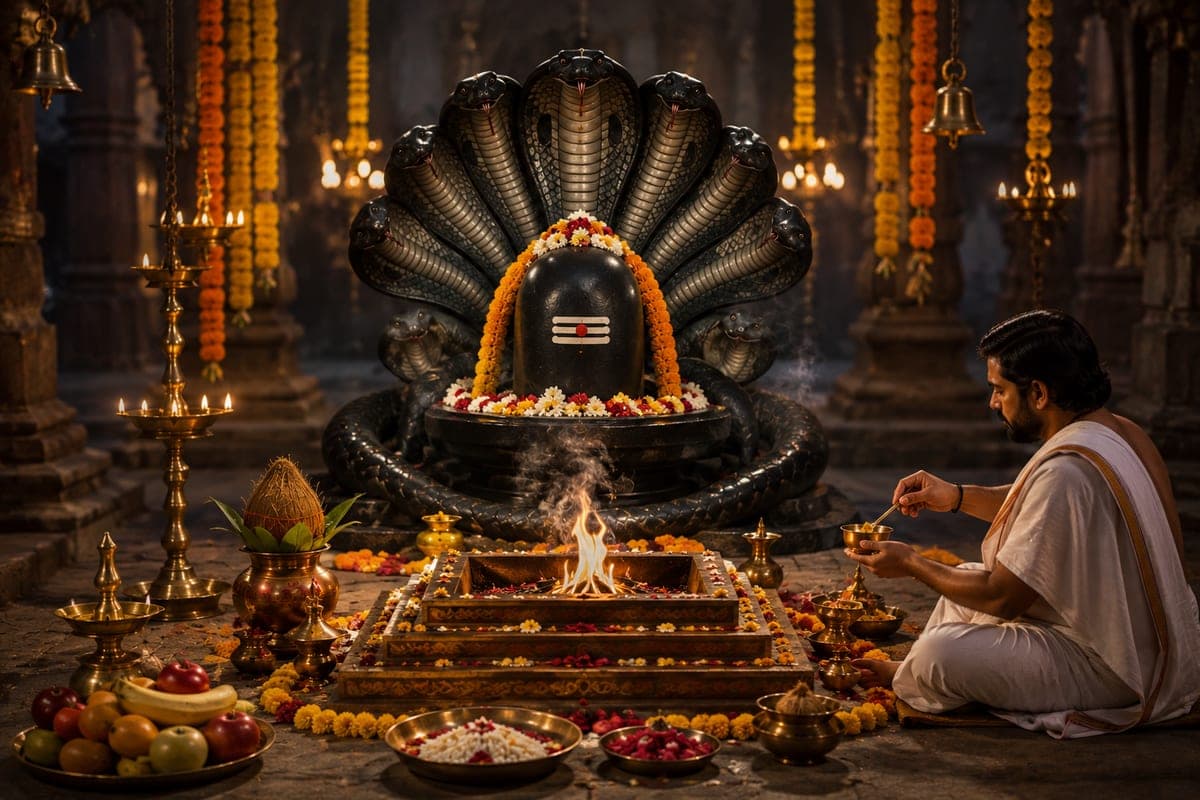
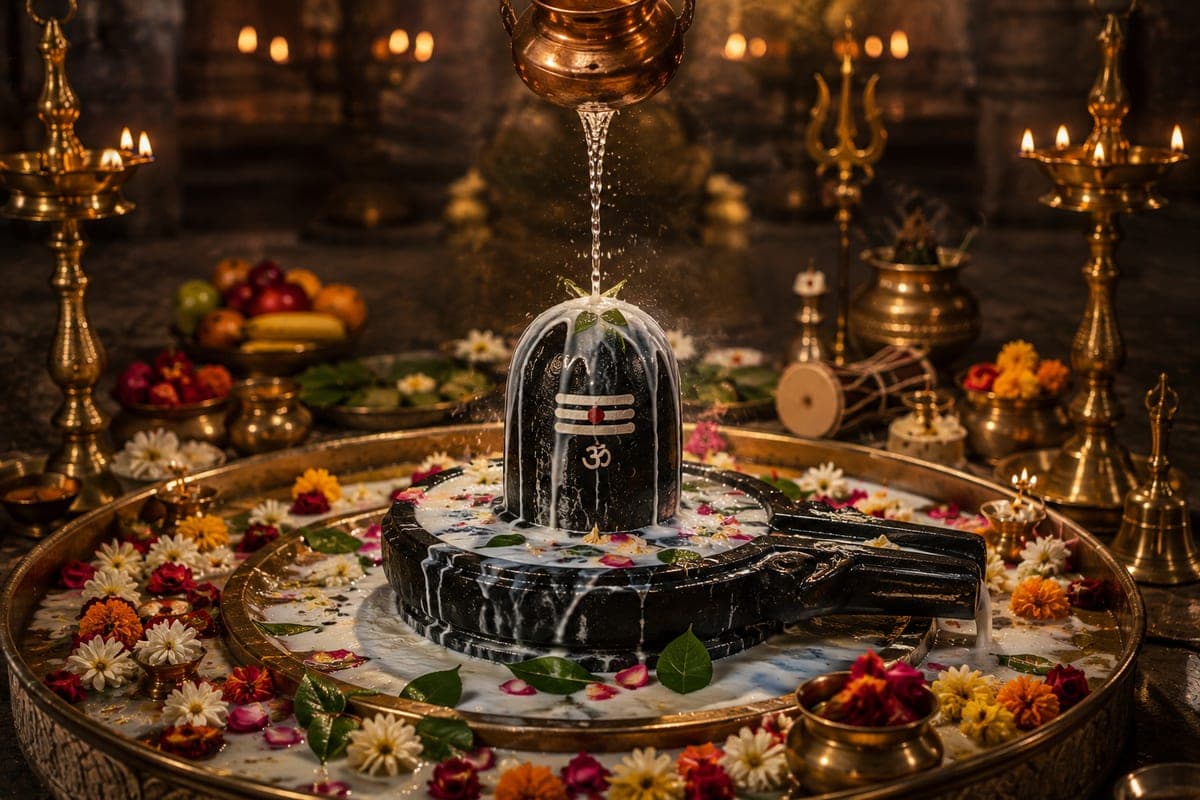
During a Yatra, the temple functions as the ultimate destination where rituals such as darshan, abhishek, and aarti take place. Many pilgrims plan their entire journey around temple timings, festival dates, or specific rituals performed only at certain times of day, sometimes adjusting travel plans by days just to be present for a particular ceremony. The temple is also typically where prasad is distributed, donations are made, and priests guide devotees through specific religious procedures, making it the practical as well as spiritual anchor of the entire trip. Temple committees overseeing Temple often publish periodic updates about renovation work or special events, which pilgrims planning a visit may find useful to check in advance.
What Pilgrims Should Know Before Visiting
Pilgrims visiting a temple should be aware of dress codes, footwear removal, and photography restrictions that vary from site to site. Many major temples also offer separate queues for general and paid darshan, along with facilities for senior citizens and people with disabilities. Checking official temple websites or trust announcements ahead of time can help pilgrims avoid confusion around timings, closures, and any special rules during festivals, particularly since some temples close briefly for internal rituals at specific hours that are not always obvious to first-time visitors. Arriving with a general sense of the temple's layout, whether from an official map or previous travellers' accounts, can also help pilgrims move through the complex more confidently on their first visit.