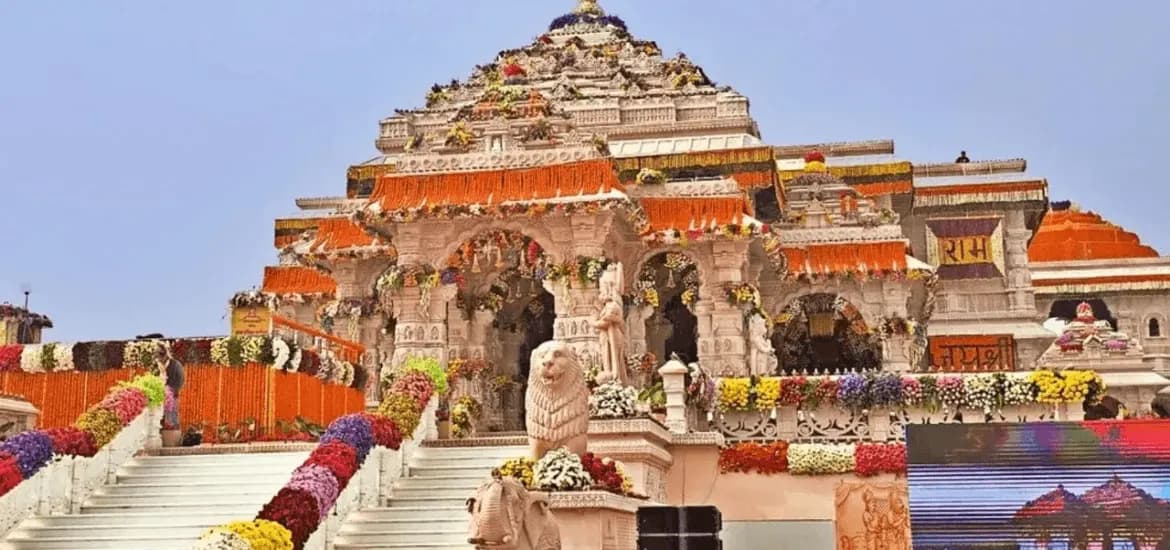
Behind every temple's distinctive appearance lies a tradition of temple architecture, shaped by regional style and ancient design principles. Pilgrims who understand the basics of this architecture often find their Yatra more engaging, recognising the deeper meaning behind features they might otherwise overlook.
Key Elements of Hindu Temple Architecture
Most Hindu temples share core elements such as the garbhagriha or sanctum, a mandapa or hall, and a tower marking the temple's highest point, whether a shikhara in the north or a vimana in the south, though specific styles vary by region. Pilgrims interested in temple architecture sometimes specifically seek out well-preserved examples connected to Temple Architecture during their Yatra.
Regional Variations in Temple Architecture
Temple architecture varies significantly across India, from the Dravidian style prominent in South India, featuring tall gopurams, to the Nagara style common in the north, each reflecting distinct regional traditions and historical influences. Regional variations in Temple Architecture are common across India, reflecting centuries of distinct local building traditions and craftsmanship.
Appreciating Temple Architecture During a Yatra
Pilgrims with a basic understanding of these architectural principles often find greater meaning in the temples they visit, recognising specific structural elements and their traditional significance rather than viewing the building as simply decorative. Architectural historians and temple guides often point to Temple Architecture as an example of the careful planning behind traditional Hindu temple design.