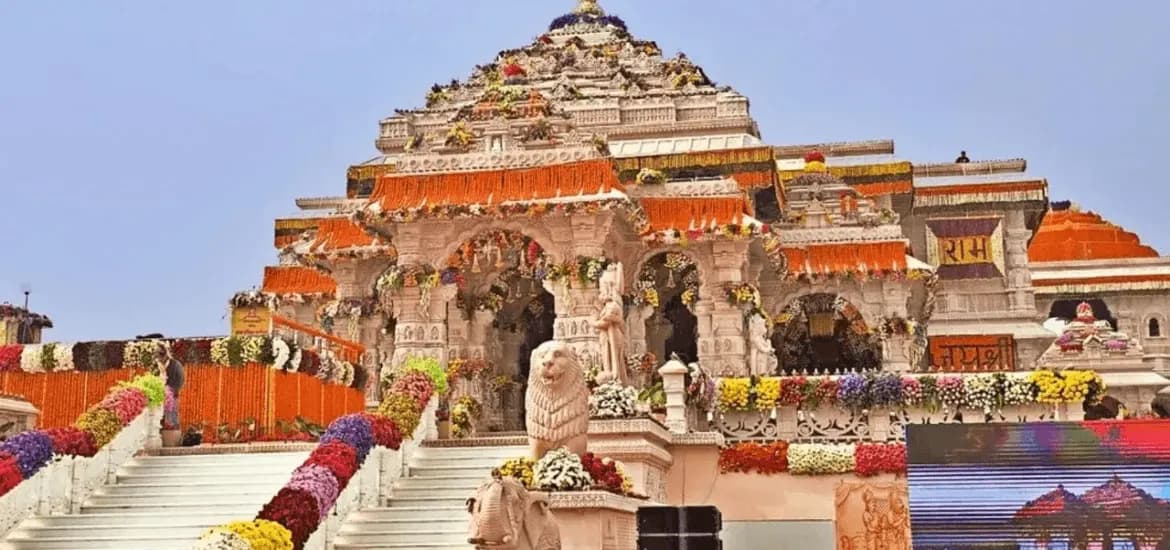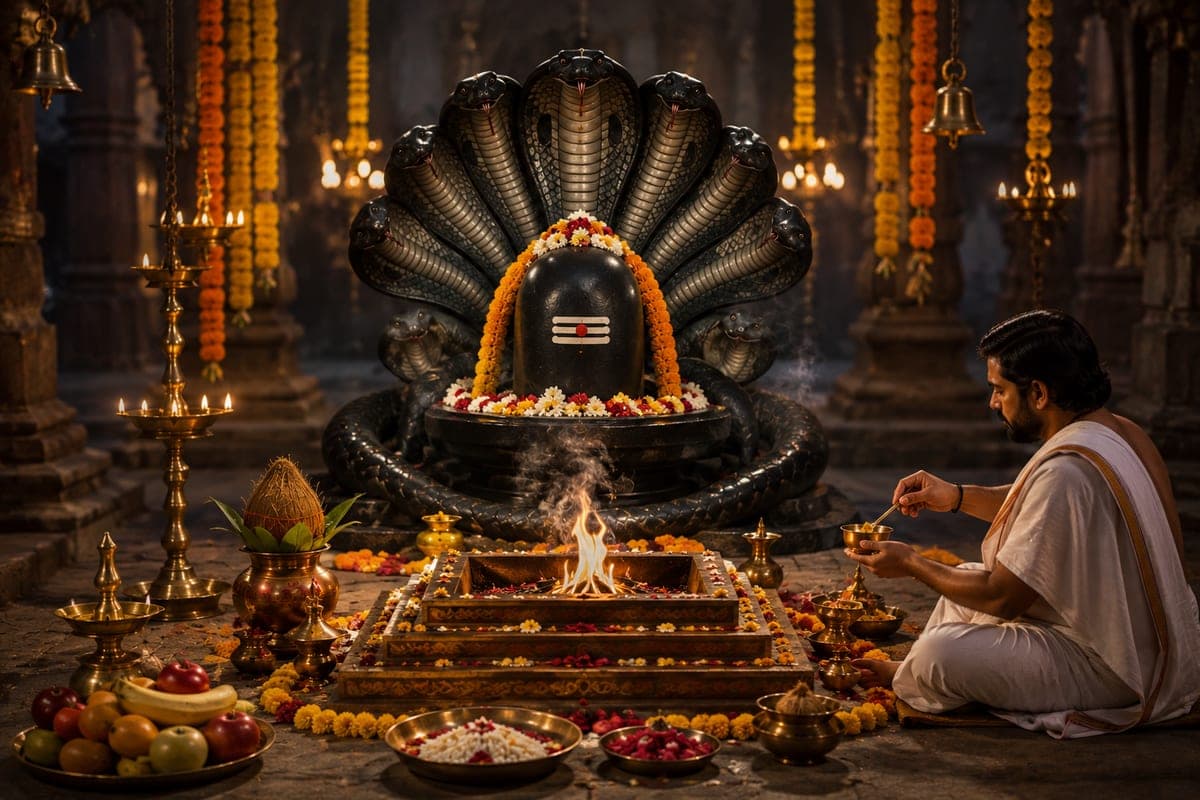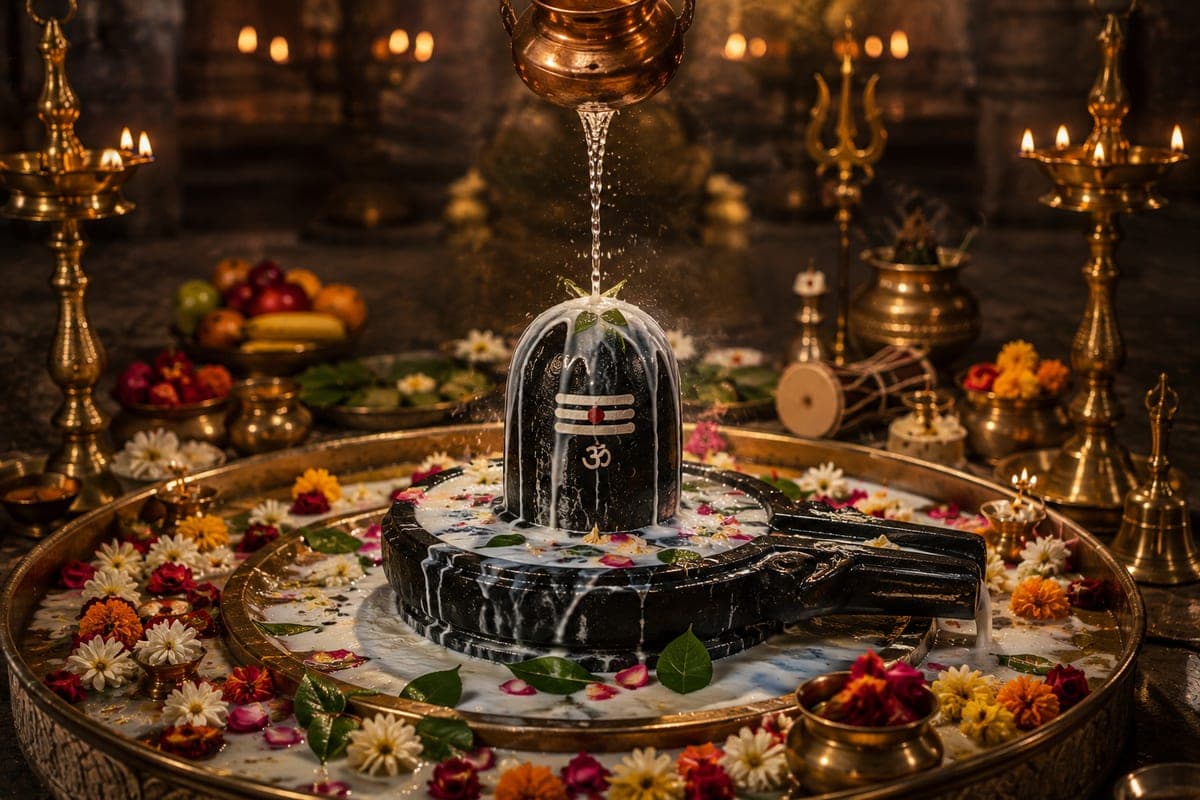
Some of India's most revered temples are built around a swayambhu, a deity form believed to have appeared naturally rather than through ritual installation. Understanding this concept helps explain why certain pilgrimage sites carry an especially elevated spiritual status.
What Does Swayambhu Mean?
Swayambhu refers to a deity form, typically a Shivling or other sacred symbol, believed to have manifested naturally within the earth or a specific location, rather than being carved or ritually installed by human hands. Vendors near many temples sell Swayambhu to pilgrims, and priests can usually explain the correct way to use it during a visit.
Swayambhu and Jyotirlinga Shrines
Several of the twelve Jyotirlingas are specifically considered swayambhu, self-manifested forms of Shiva, contributing to their especially revered status compared to consecrated idols installed through standard ritual procedures. Regional practices around Swayambhu vary somewhat across India, though its core devotional purpose remains widely recognised among Hindu pilgrims.
Visiting Swayambhu Shrines During a Yatra
Pilgrims specifically seeking out swayambhu shrines often consider these sites particularly significant stops on their Yatra, believing that a naturally manifested form carries a more direct and powerful connection to the deity itself. Many pilgrims keep a small amount of Swayambhu from a significant Yatra as a lasting reminder of that particular temple visit.