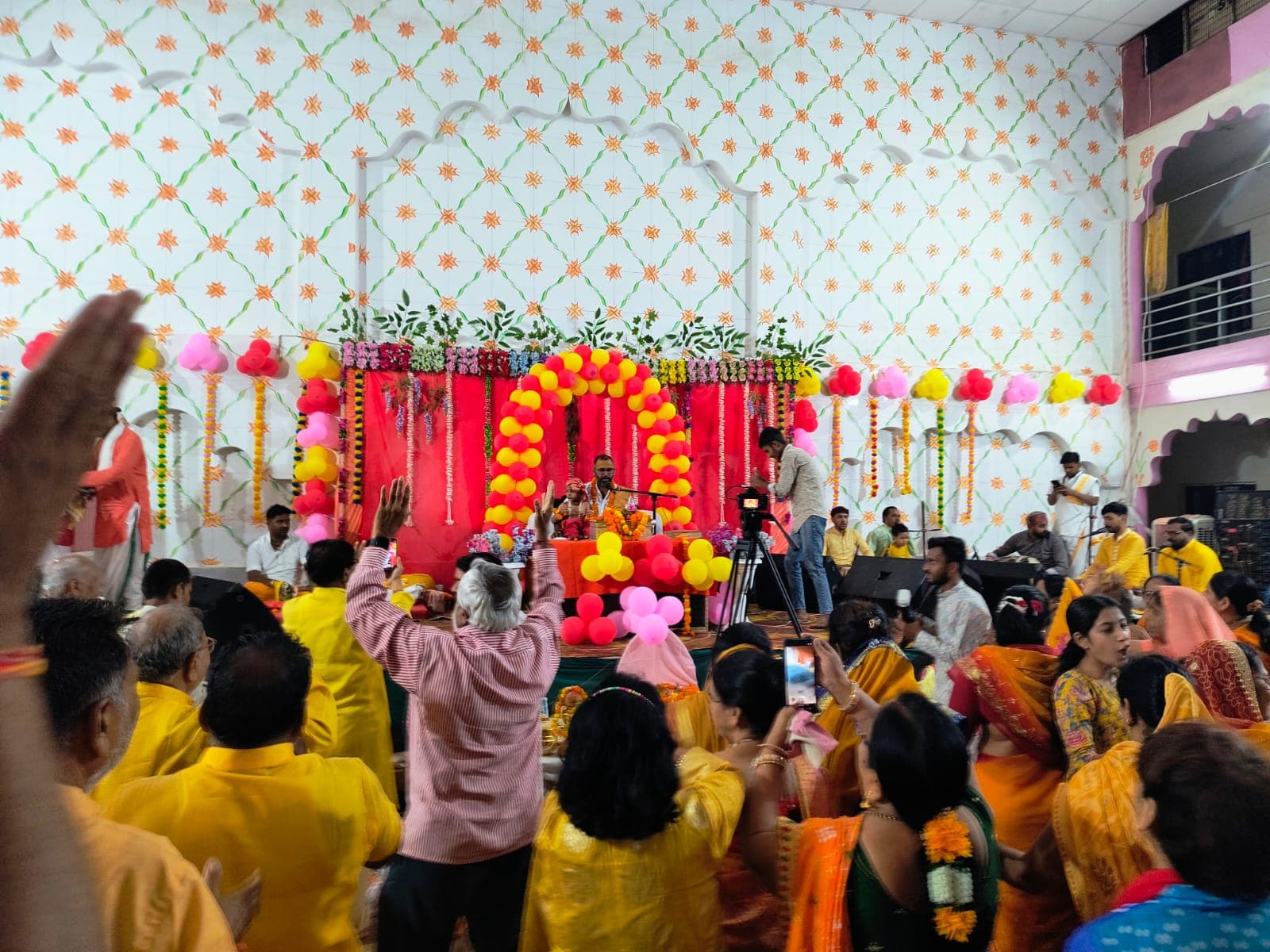
Organising a Sundarkand Path, a structured group recitation of the Sundar Kand chapter, is a popular way for families to seek strength during difficult times or express gratitude. Understanding this practice adds context to a devotional gathering many pilgrims encounter or organise themselves.
What Is a Sundarkand Path?
A Sundarkand Path is an organised recitation of the Sundar Kand chapter of the Ramayana, either read individually or, more commonly, performed collectively by a group of devotees, sometimes led by a trained reciter. References to Sundarkand Path appear across many regional Hindu traditions, with local interpretation shaping how it is understood by pilgrims today.
Why Families Organise a Sundarkand Path
Many families arrange a Sundarkand Path to seek strength during a difficult period, fulfil a vow, or mark a significant occasion, drawing on the chapter's themes of courage and problem-solving through devotion. Pilgrims encountering Sundarkand Path for the first time are often introduced to it gradually through family tradition rather than formal study alone.
Sundarkand Path and Pilgrimage Traditions
Some pilgrims organise a Sundarkand Path before or after a significant Yatra, particularly one connected to Hanuman worship, treating the recitation as an additional act of devotion complementing their temple visit. Scholars and temple priests continue to teach and discuss Sundarkand Path, keeping its relevance alive for each new generation of devotees.