While the Vedas represent divinely revealed scripture, much of the storytelling pilgrims encounter during their Yatra comes from smriti, the category of remembered, human-composed texts such as the epics and Puranas. Understanding this distinction adds context to the stories shared at temples across India.
What Is Smriti?
Smriti, meaning 'that which is remembered', refers to a category of Hindu scripture composed by human authors, even if considered divinely inspired, including texts like the Ramayana, Mahabharata, Bhagavad Gita, and the Puranas. Pilgrims encountering Smriti for the first time are often introduced to it gradually through family tradition rather than formal study alone.
Smriti Versus Shruti
Hindu scripture is broadly divided into shruti, considered eternally revealed and unchanging, and smriti, considered remembered tradition. This distinction affects the level of authority attributed to different texts within various schools of Hindu thought. Scholars and temple priests continue to teach and discuss Smriti, keeping its relevance alive for each new generation of devotees.
Smriti and Pilgrimage Legends
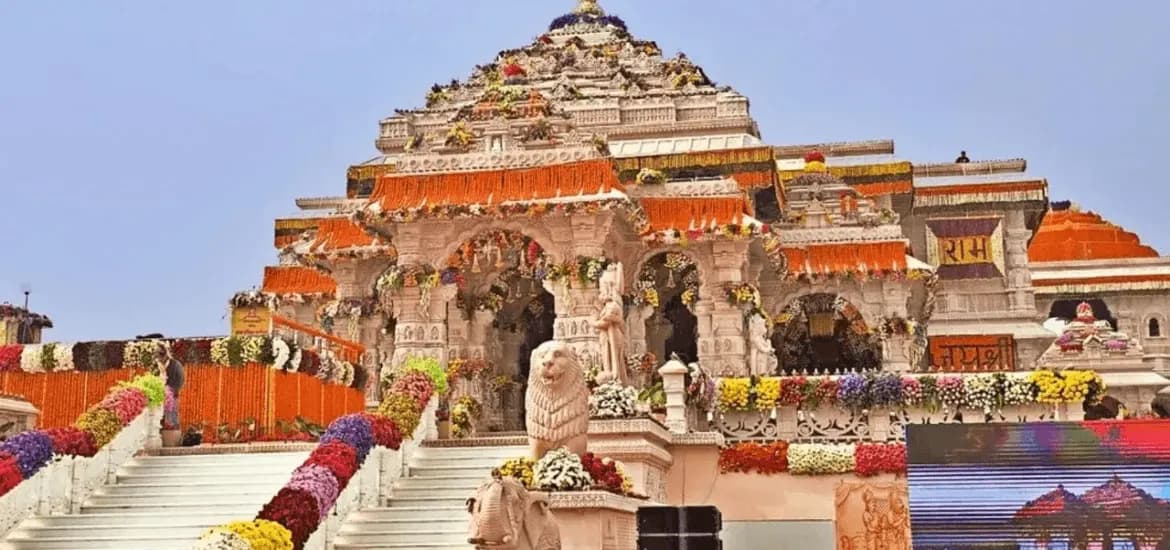
Many of the specific stories explaining a temple's origin or significance are drawn from smriti literature, particularly the Puranas and epics, giving pilgrims a rich narrative context for the sacred sites they visit during their Yatra. References to Smriti appear across many regional Hindu traditions, with local interpretation shaping how it is understood by pilgrims today.