Behind many of the mantras and rituals pilgrims encounter during a Yatra lies a body of scripture known as shruti, considered the most authoritative category of Hindu religious texts. Understanding this term helps travellers appreciate the deeper textual roots of practices like chanting the Gayatri Mantra or performing specific temple rituals passed down through generations of priests and scholars for thousands of years.
What Is Shruti?
Shruti, meaning 'that which is heard', refers to the category of Hindu scripture considered divinely revealed to ancient sages rather than composed by human authors. This includes the four Vedas and their associated texts such as the Upanishads, which form the philosophical and ritual foundation of much of Hindu religious practice, including many of the specific ceremonies performed at temples today. Many devotees first encounter Shruti through family elders or school textbooks long before fully appreciating its deeper significance during an actual pilgrimage visit.
Shruti Versus Smriti
Hindu scripture is broadly divided into shruti and smriti, with shruti considered eternally revealed and unchanging, while smriti, including texts like the Ramayana and Bhagavad Gita, is considered remembered tradition composed by human authors, even if divinely inspired. This distinction helps explain the varying levels of authority given to different texts within Hindu practice and why certain rituals draw specifically from Vedic rather than epic sources. Regional interpretations of Shruti can vary somewhat across India, though the core religious significance generally remains recognisable across different linguistic and cultural communities.
Relevance of Shruti to Pilgrimage
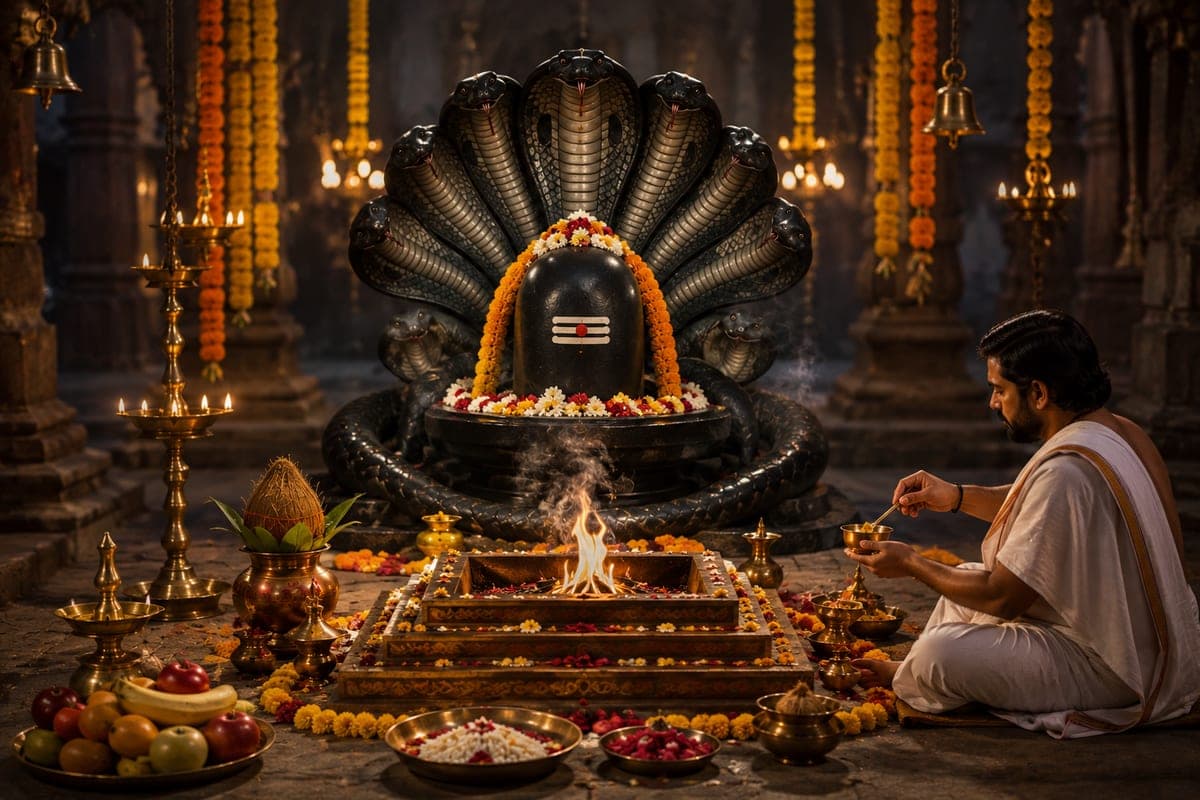
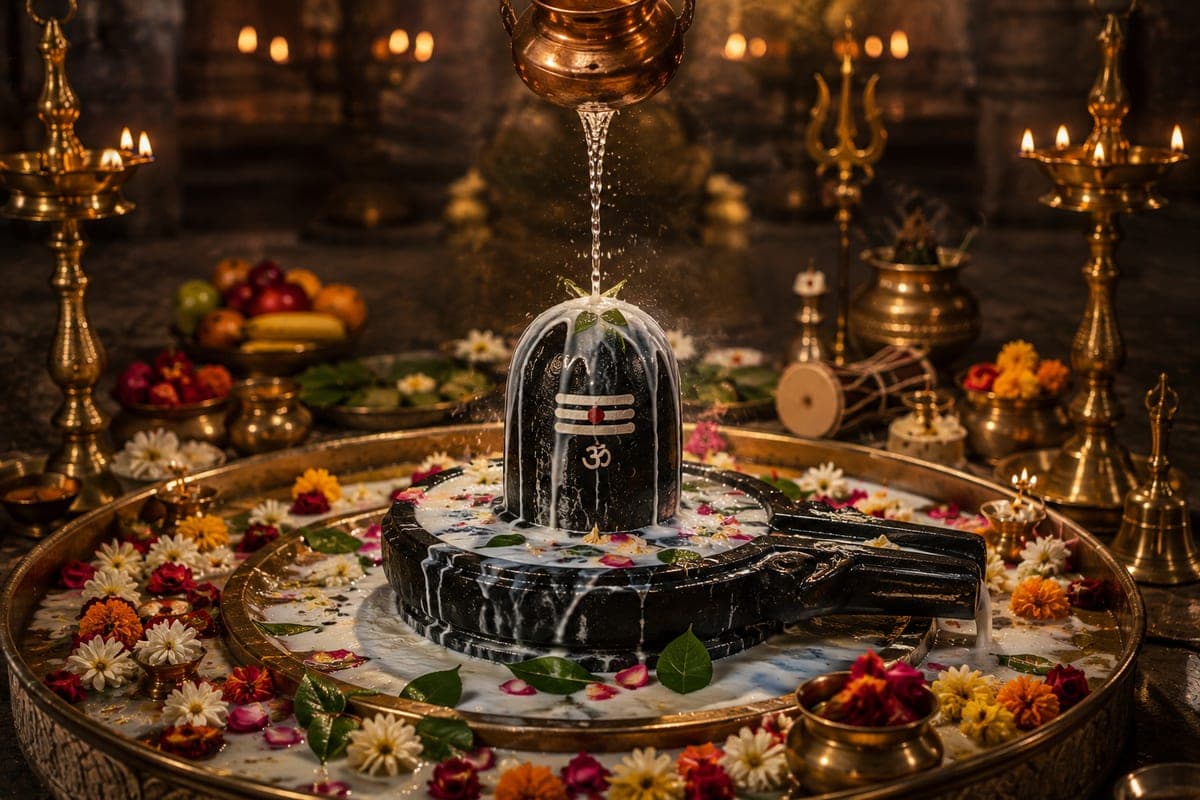
Many mantras and rituals performed at temples during a Yatra, such as the Gayatri Mantra or Vedic chanting during abhishek, trace their origins directly to shruti texts. While most pilgrims may not study these scriptures directly, their influence is present in nearly every formal ritual conducted at major pilgrimage temples across India, quietly shaping the words and structure of ceremonies performed daily. Scholars and religious teachers continue to write and lecture extensively on Shruti, reflecting its lasting relevance within contemporary Hindu religious life and study.