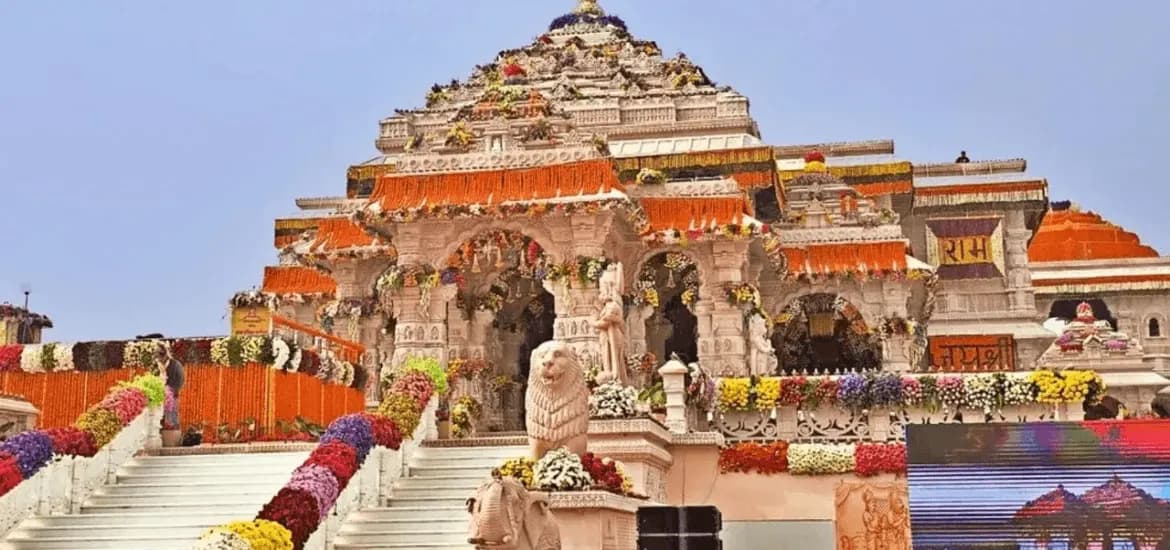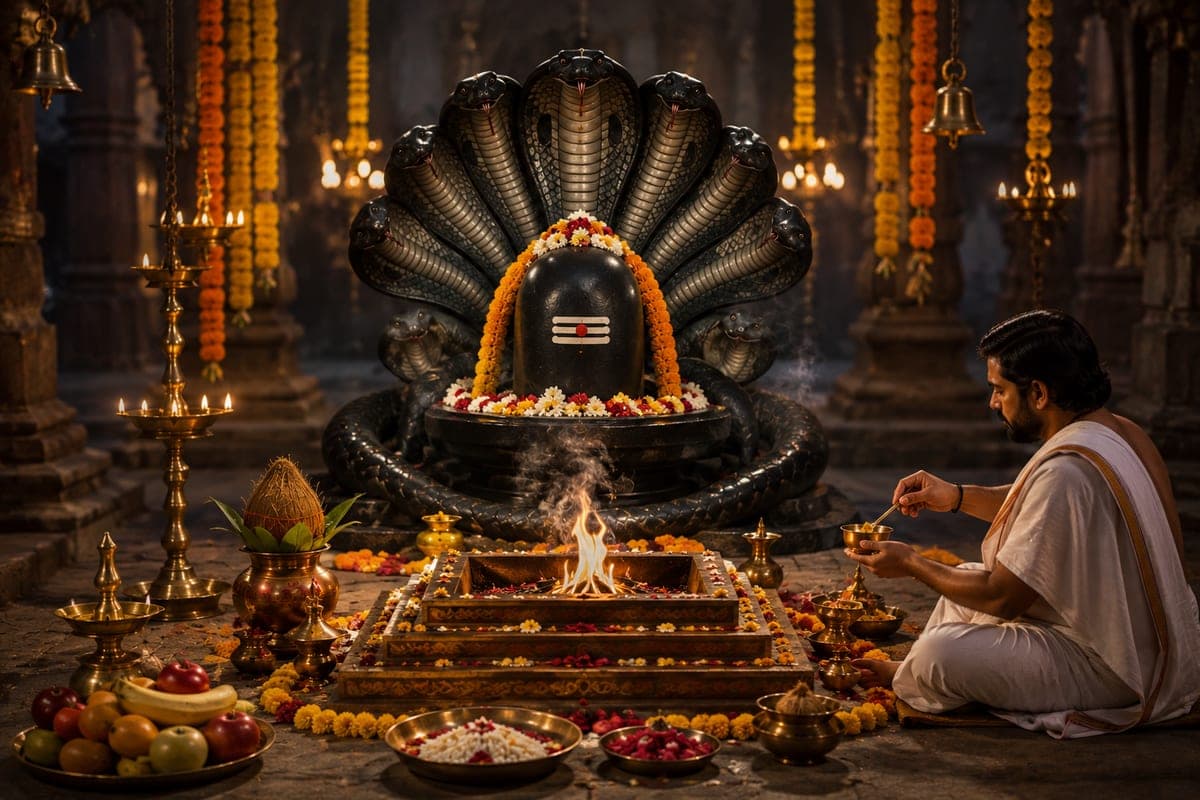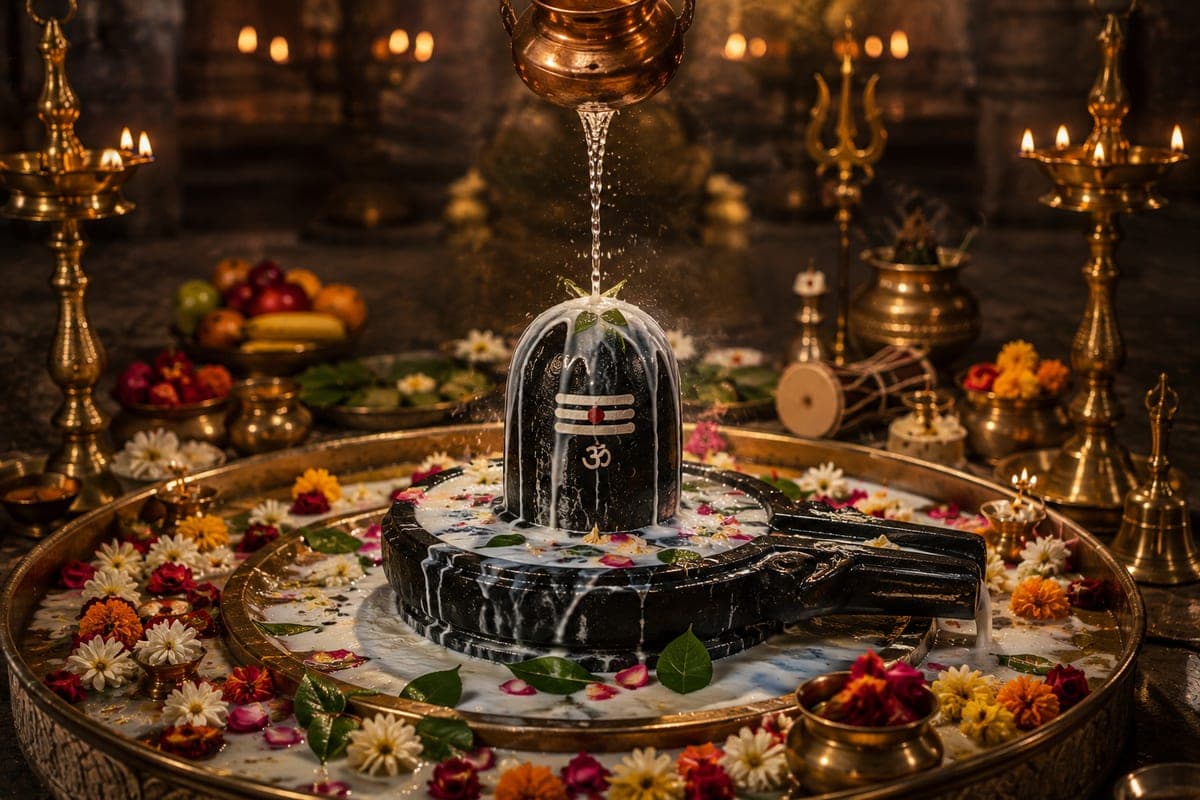
Part of the daily care shown to a deity within a temple involves shringar, the ritual practice of decorating and adorning the idol with clothing, jewellery, and flowers. Pilgrims visiting during darshan often notice how a deity's appearance changes according to the occasion.
What Is Shringar?
Shringar refers to the ritual decoration and adornment of a deity's idol, involving specific clothing, jewellery, flowers, and sometimes elaborate makeup-like decoration, performed by trained temple staff as part of daily worship routines. Many pilgrims specifically arrange Shringar during their Yatra to mark a personal intention, vow, or family occasion.
Shringar and the Daily Temple Schedule
Many temples change a deity's shringar multiple times throughout the day, coordinating this practice with specific rituals such as morning waking, midday rest, and evening aarti, contributing to the temple's overall daily rhythm. The exact steps involved in Shringar can vary somewhat between temples, though the underlying devotional purpose remains broadly consistent across India.
Shringar and the Pilgrim Experience
Pilgrims visiting during a special festival or particular time of day may notice an especially elaborate shringar, considered a highlight by regular devotees who specifically plan their Yatra around witnessing the deity in this particular adorned state. Priests performing Shringar are generally willing to briefly explain the ritual to curious pilgrims, particularly at quieter, less crowded temples.