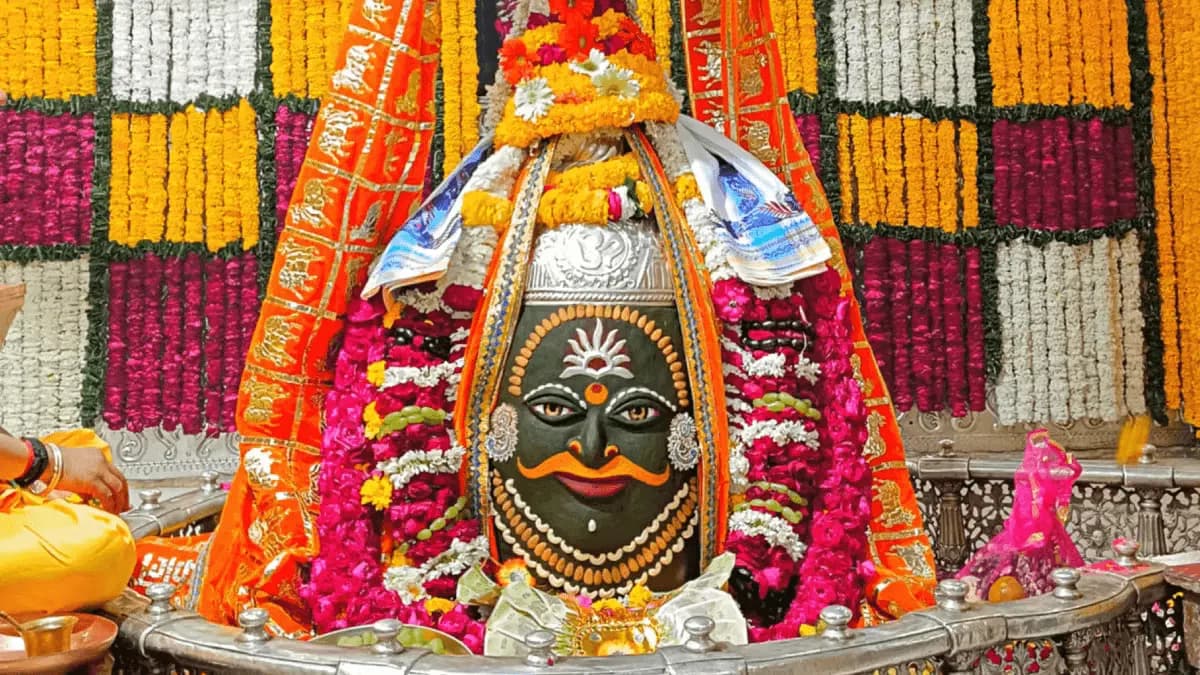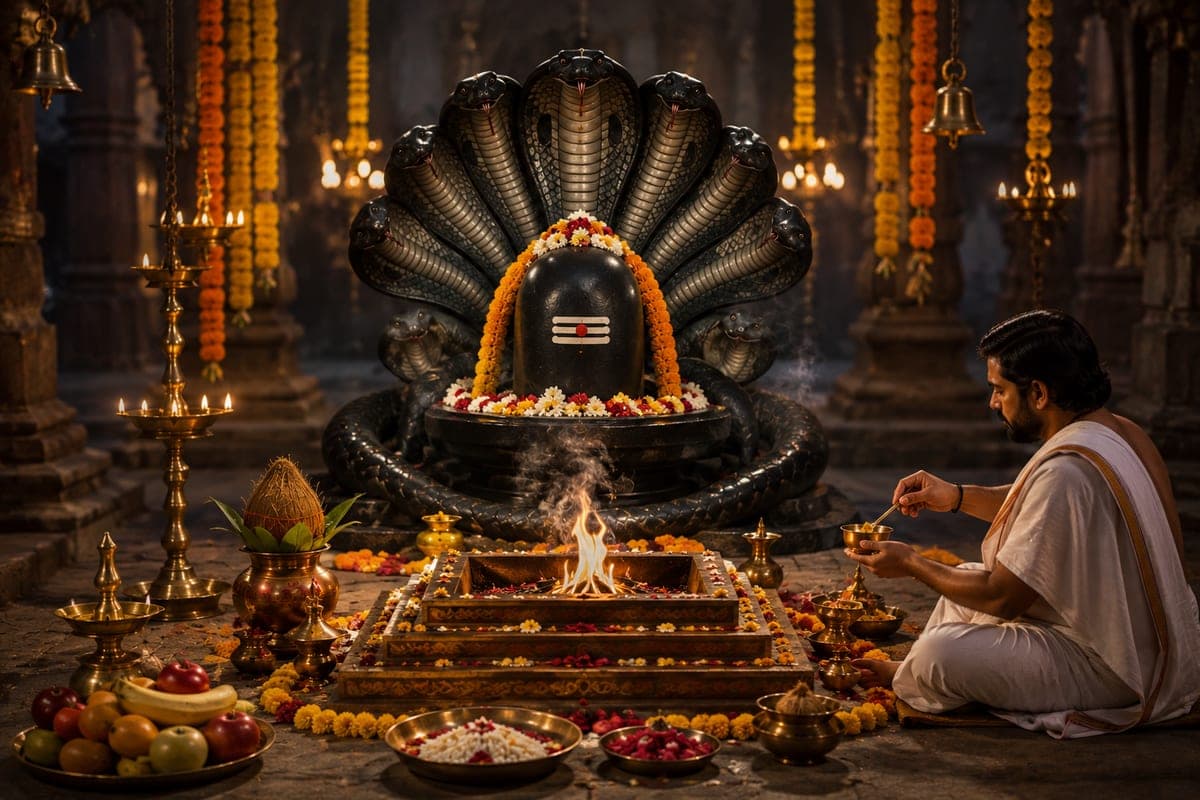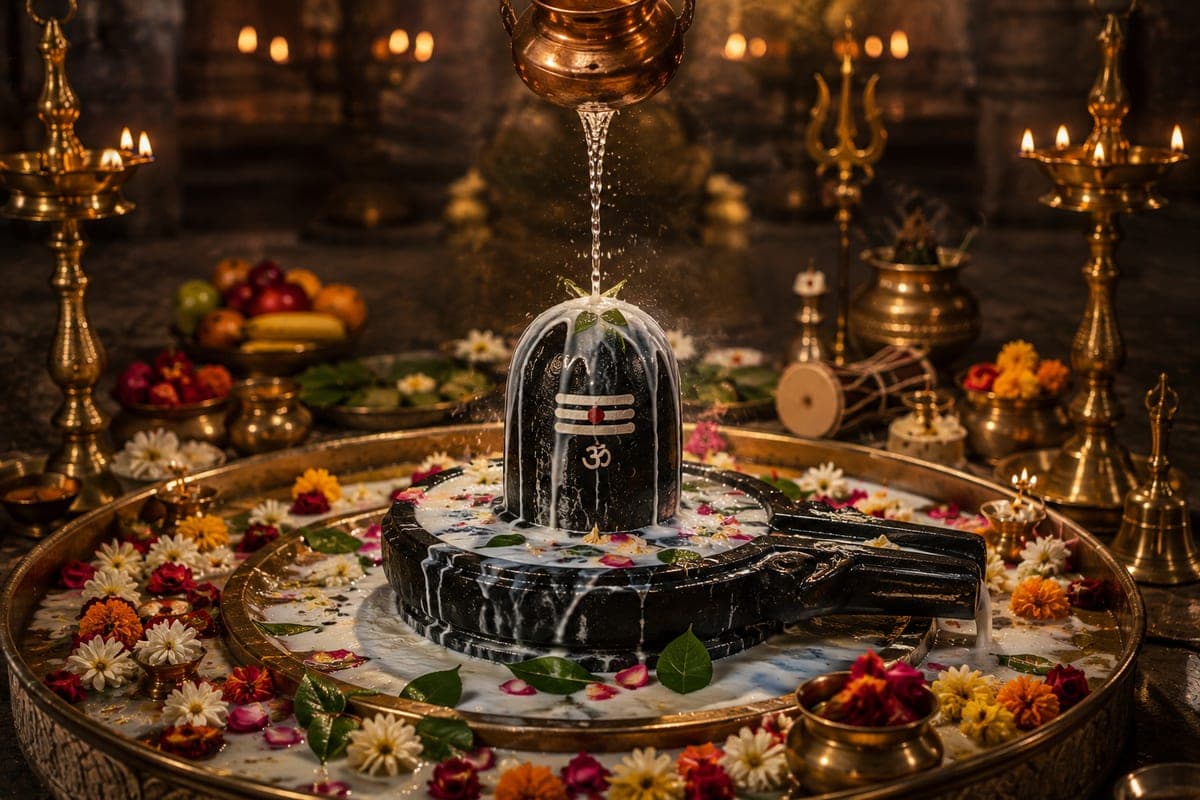
At the heart of nearly every Shiva temple sits a Shivling, also known as Shivalinga, the primary form through which the deity is worshipped. For pilgrims undertaking a Yatra to Jyotirlinga temples or any Shiva shrine, understanding the meaning and significance of this sacred object adds depth to the darshan and abhishek rituals performed there, and helps explain the reverence with which it is treated by priests and devotees alike.
What Is a Shivling?
A Shivling, or Shivalinga, is a symbolic representation of Lord Shiva, typically an elongated, rounded form placed within a temple's sanctum, often set within a circular base representing the yoni or divine feminine energy. This combined form is traditionally understood to represent the union of cosmic energies rather than a literal depiction of the deity, distinguishing it from the anthropomorphic idols used for many other Hindu gods and goddesses. Local artisans near many pilgrimage sites continue to produce items connected to Shivling using techniques passed down through generations, adding a further layer of tradition to the object itself. Pilgrims often ask temple staff for guidance on authentic sourcing when purchasing items related to Shivling, given the number of vendors operating near busier pilgrimage destinations. The symbolism attached to Shivling is often explained to visiting pilgrims by temple priests, particularly for those encountering the object or practice for the first time during their Yatra.
Symbolism of the Shivling
The Shivling is traditionally interpreted as a representation of Shiva's formless, infinite nature, avoiding a specific anthropomorphic image in favour of an abstract symbol of creation and cosmic energy. Different Shivlings can be made from stone, metal, or other materials, with some naturally occurring formations, such as the ice Shivling at Amarnath, holding particular pilgrimage significance and drawing enormous crowds during the short annual window when the trek is accessible.
Shivling Worship During Pilgrimage
Shivling worship typically centres around abhishek, the ritual bathing of the symbol with substances like water, milk, and honey, along with the chanting of mantras such as Om Namah Shivaya. Major pilgrimage sites built around a Shivling, including the twelve Jyotirlingas, attract large numbers of devotees, particularly during festivals like Maha Shivratri, when queues can stretch for many hours even at temples that are otherwise relatively quiet throughout the rest of the year.
What Pilgrims Should Know
Pilgrims visiting a Shivling for darshan should be aware that direct touching of the object may be restricted at busier or more prominent temples, with priests performing rituals on behalf of devotees instead. Understanding basic etiquette, such as offering items like bilva leaves where customary, can help pilgrims participate respectfully in Shivling worship during their Yatra, and asking temple staff about local customs is generally welcomed rather than seen as an inconvenience.