At every Shiva temple, from a small village shrine to a major Jyotirlinga, the Shiva Lingam serves as the focal point of worship. For pilgrims undertaking a Yatra to such sites, understanding this symbolic form helps deepen appreciation for the rituals performed around it.
What Is a Shiva Lingam?
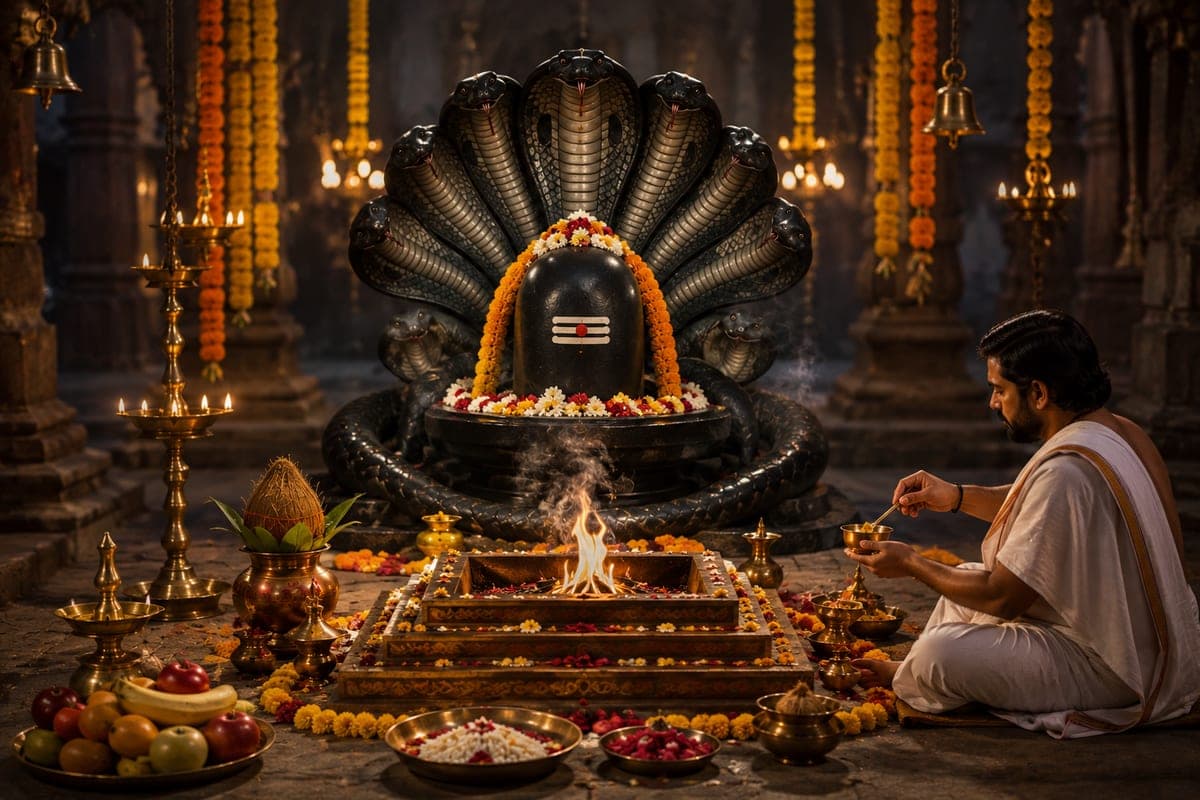
A Shiva Lingam is an abstract, elongated symbol representing Lord Shiva, typically placed within a temple's sanctum atop a circular base symbolising the yoni. This form avoids a literal, human-like depiction of the deity, instead representing his infinite, formless nature. Regional practices around Shiva Lingam vary somewhat across India, though its core devotional purpose remains widely recognised among Hindu pilgrims.
Symbolism of the Shiva Lingam
The Shiva Lingam is traditionally understood to symbolise the union of cosmic energies and Shiva's presence beyond form. Different Lingams vary in material and origin, with certain naturally occurring examples holding particular pilgrimage significance. Vendors near many temples sell Shiva Lingam to pilgrims, and priests can usually explain the correct way to use it during a visit.
Worshipping the Shiva Lingam During Yatra
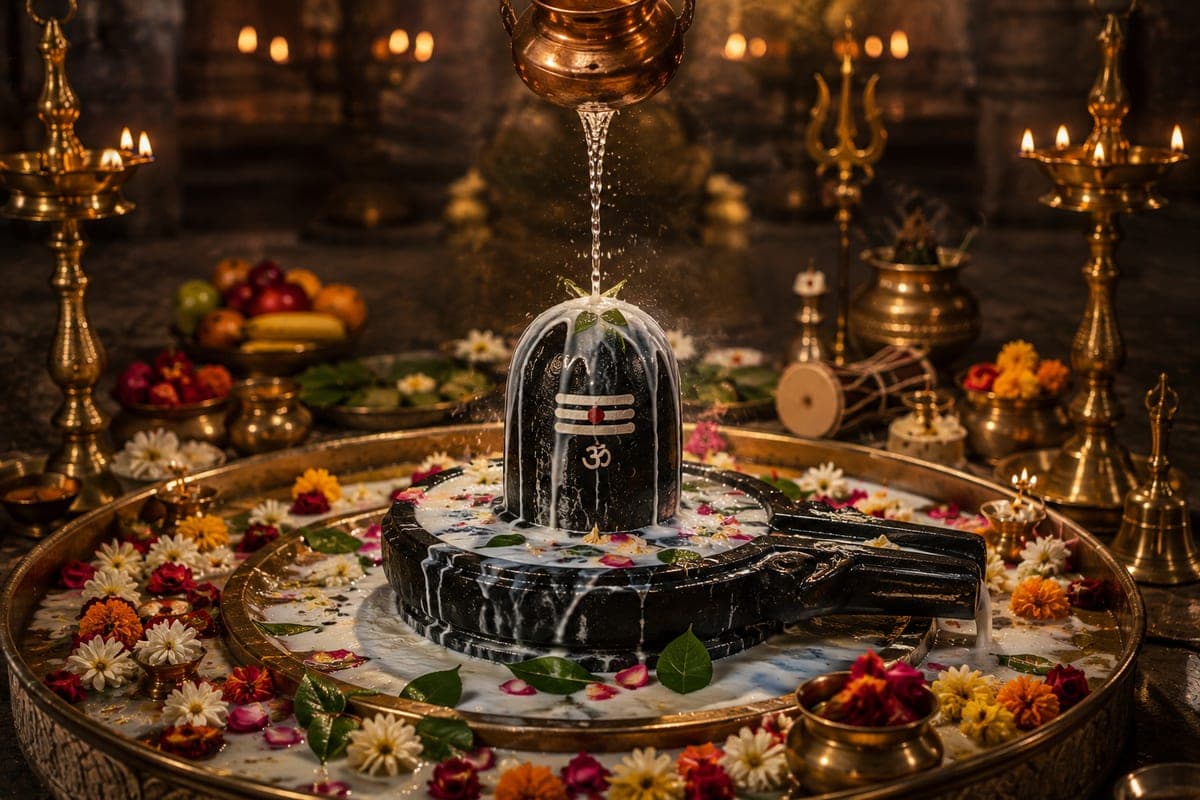
Pilgrims typically perform darshan and, where permitted, abhishek before the Shiva Lingam, offering water, milk, and bel patra while chanting mantras such as Om Namah Shivaya. This ritual forms the central devotional experience at any Shiva-focused pilgrimage. Many pilgrims keep a small amount of Shiva Lingam from a significant Yatra as a lasting reminder of that particular temple visit.