A Shiv Katha, an extended narration of stories and teachings connected to Lord Shiva, is a popular devotional tradition, particularly organised around festivals such as Maha Shivratri. Understanding this practice helps explain the storytelling gatherings pilgrims may encounter at Shiva temples.
What Is Shiv Katha?
Shiv Katha is a devotional discourse narrating the life, legends, and teachings connected to Lord Shiva, typically delivered over multiple days by a trained storyteller combining narrative, scripture references, and devotional music. Pilgrims encountering Shiv Katha for the first time are often introduced to it gradually through family tradition rather than formal study alone.
Why Shiv Katha Is Organised
Families and temple communities often organise a Shiv Katha to mark festivals such as Maha Shivratri, fulfil a personal vow, or celebrate a significant occasion, inviting the wider community to attend. References to Shiv Katha appear across many regional Hindu traditions, with local interpretation shaping how it is understood by pilgrims today.
Shiv Katha at Pilgrimage Sites
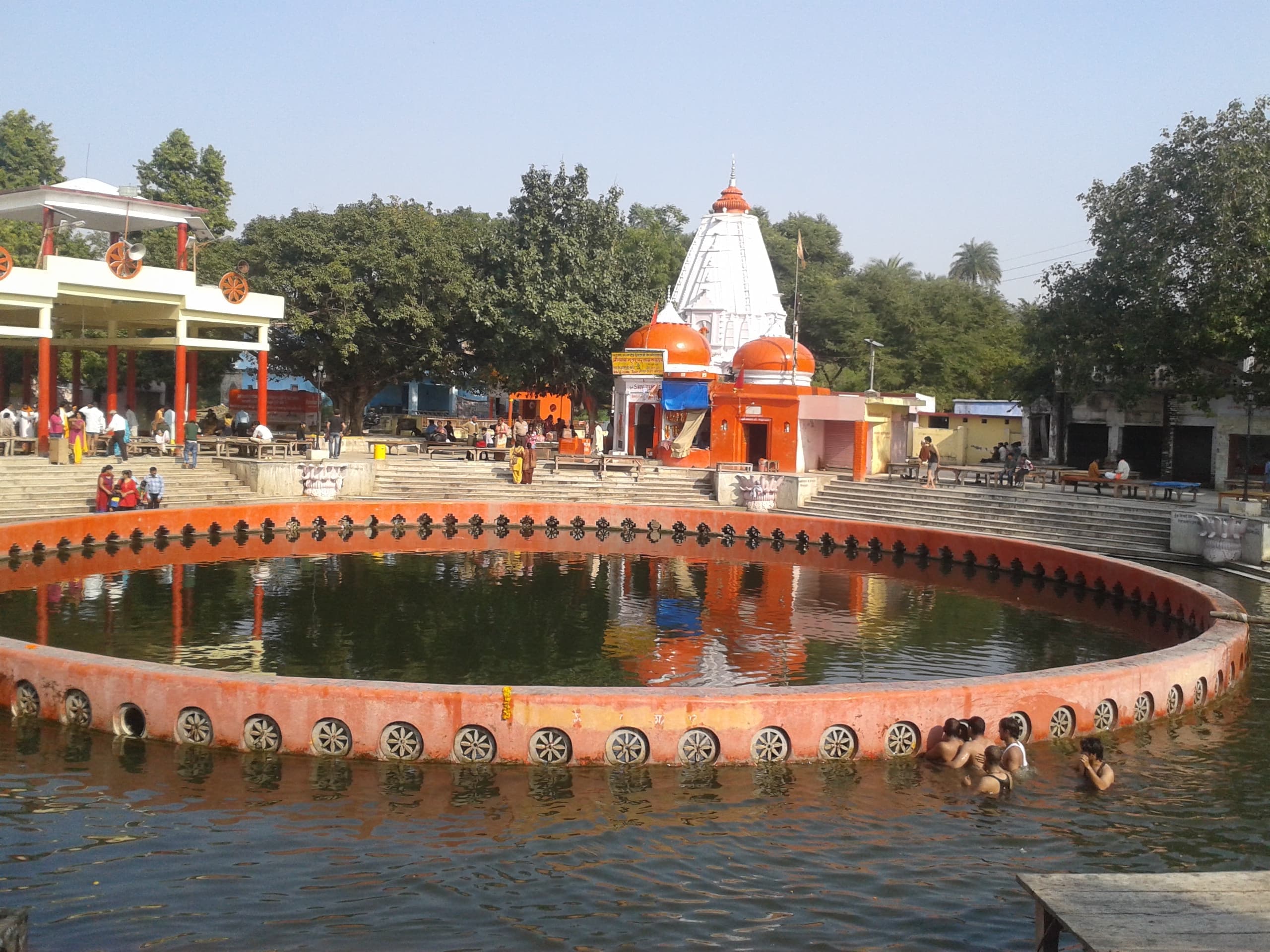
Pilgrims visiting major Shiva temples during Maha Shivratri or other significant occasions may specifically attend a Shiv Katha, treating the discourse as a meaningful complement to darshan and other temple rituals during their Yatra. Scholars and temple priests continue to teach and discuss Shiv Katha, keeping its relevance alive for each new generation of devotees.