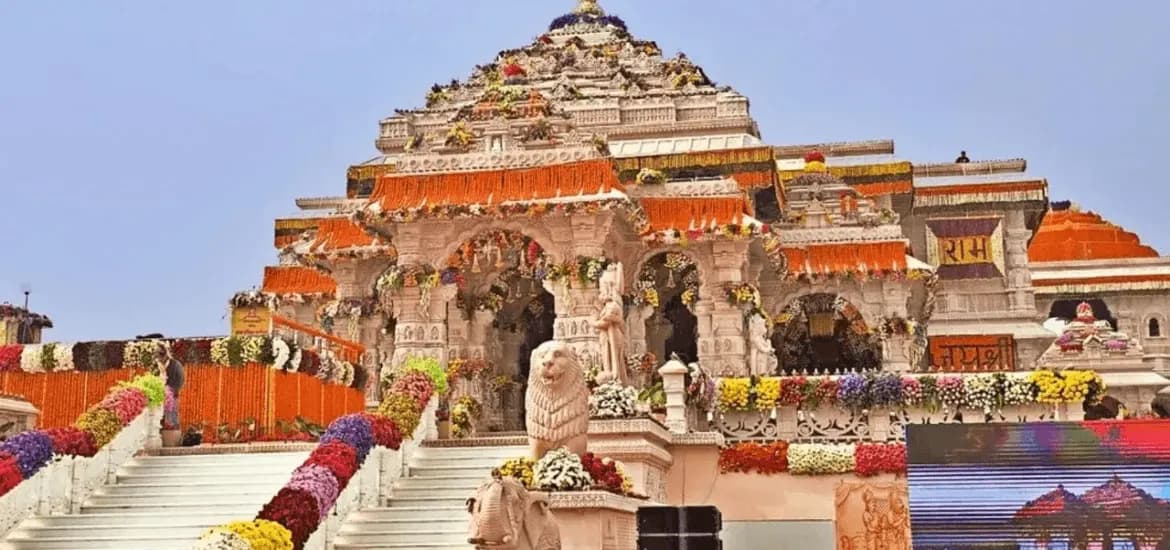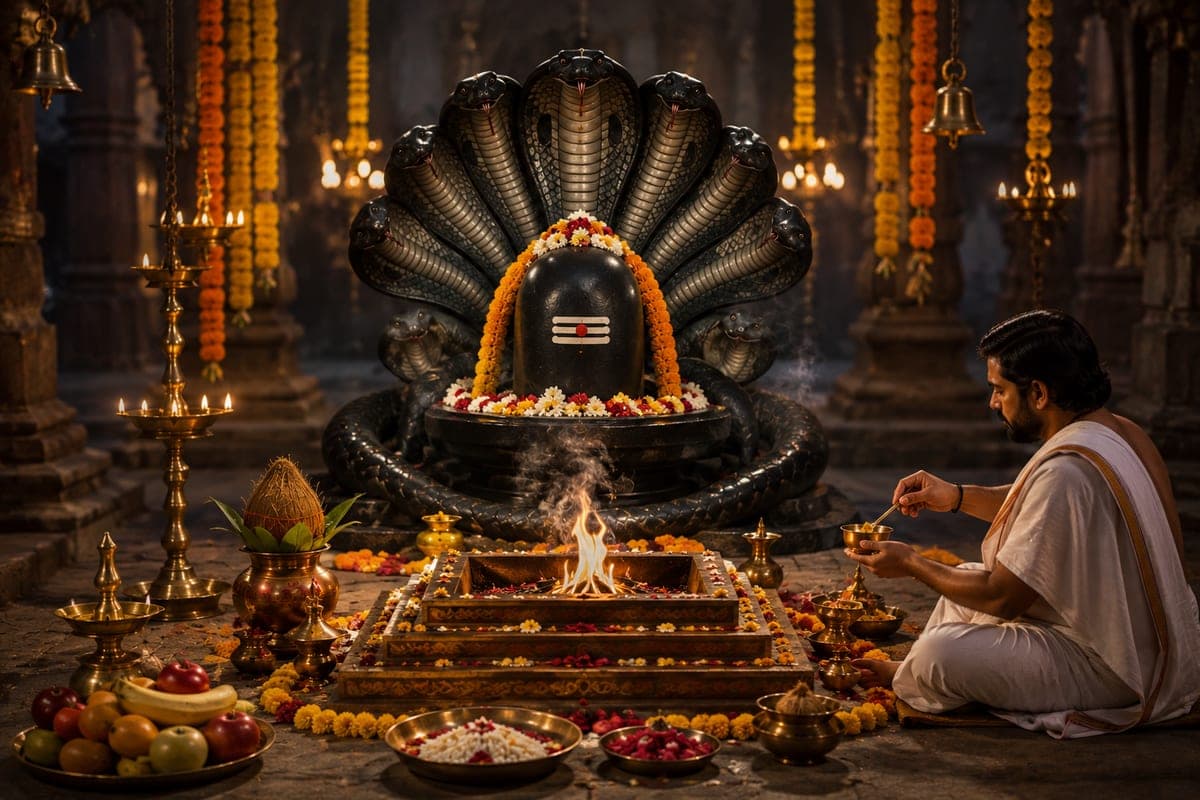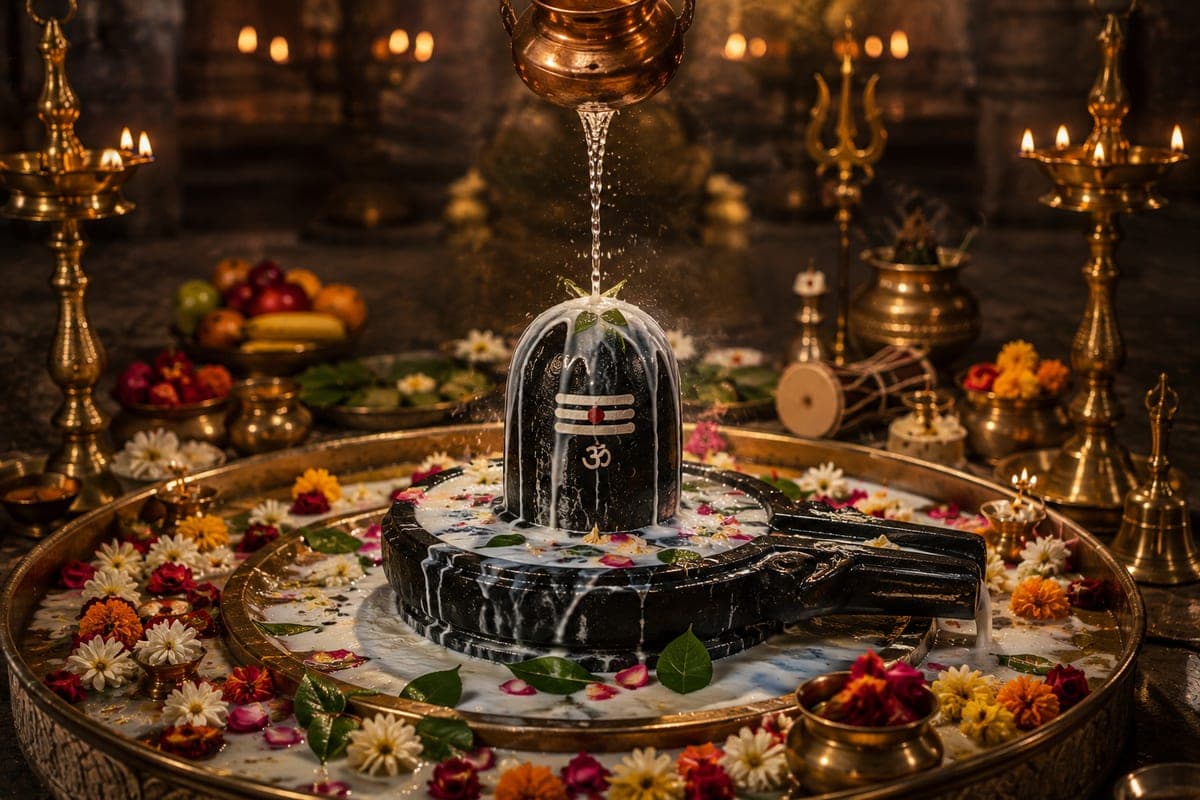
Just as the day begins with waking the deity, it concludes with Shayan Aarti, the final ritual symbolically settling the deity to rest for the night. Understanding this closing ceremony helps pilgrims appreciate the complete daily cycle of care shown to a deity within temple tradition.
What Is Shayan Aarti?
Shayan Aarti refers to the final aarti performed each day, typically in the late evening, symbolically preparing the deity for rest, often the last ritual performed before the temple's sanctum doors are closed for the night. Many pilgrims specifically arrange Shayan Aarti during their Yatra to mark a personal intention, vow, or family occasion.
The Daily Cycle From Waking to Rest
Shayan Aarti forms the closing bookend to a temple's daily ritual schedule, which typically begins with a morning waking ceremony, reflecting the practice of treating the deity with care similar to that shown to an honoured resident throughout the day. The exact steps involved in Shayan Aarti can vary somewhat between temples, though the underlying devotional purpose remains broadly consistent across India.
Attending Shayan Aarti During a Yatra
Pilgrims wishing to witness this final ritual should check a temple's specific closing schedule, as Shayan Aarti timing can vary considerably between temples and may mark the last opportunity for darshan on a given day. Priests performing Shayan Aarti are generally willing to briefly explain the ritual to curious pilgrims, particularly at quieter, less crowded temples.