Among the most significant frameworks in Hindu sacred geography is Sapta Puri, the seven cities considered especially sacred and believed to offer spiritual liberation. Understanding this concept helps pilgrims appreciate the broader pattern connecting several of India's most visited pilgrimage destinations.
What Is Sapta Puri?
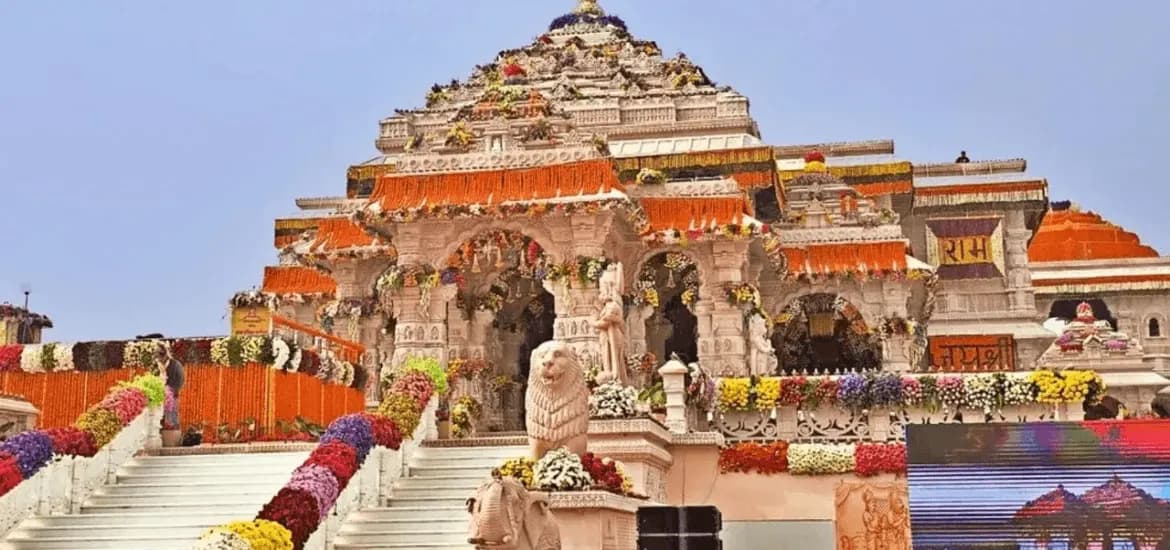
Sapta Puri refers to seven cities considered particularly sacred within Hindu tradition, traditionally including Ayodhya, Mathura, Haridwar, Varanasi, Kanchipuram, Ujjain, and Dwarka, each believed to offer spiritual merit and liberation to devotees. Local communities along routes associated with Sapta Puri are generally familiar with pilgrim needs and often extend hospitality to travellers passing through.
Religious Significance of the Seven Cities
Each city within Sapta Puri carries its own specific legends and deity associations, yet together they are considered collectively significant, reflecting a broader tradition of treating certain urban centres as inherently sacred rather than valuing only individual temples. Pilgrims undertaking a journey connected to Sapta Puri often prepare for weeks in advance, both physically and spiritually, before setting out.
Visiting Sapta Puri Cities During a Yatra
Many devotees consider visiting all seven Sapta Puri cities a significant lifetime pilgrimage goal, often completed across multiple separate journeys, with each city also offering numerous individual temples worth exploring during a dedicated visit. Many devotees describe their experience of Sapta Puri as one of the more physically and spiritually demanding parts of their pilgrimage journey.