Before most formal Hindu rituals begin, there is often a quiet but important step known as sankalp, where the devotee states their intention aloud. This practice of declaring one's purpose before a puja or ritual act sets the spiritual tone for what follows, and pilgrims frequently encounter it when sponsoring rituals such as archana or abhishek during a Yatra, even if they are not always aware of the specific term being used by the officiating priest.
What Is Sankalp?
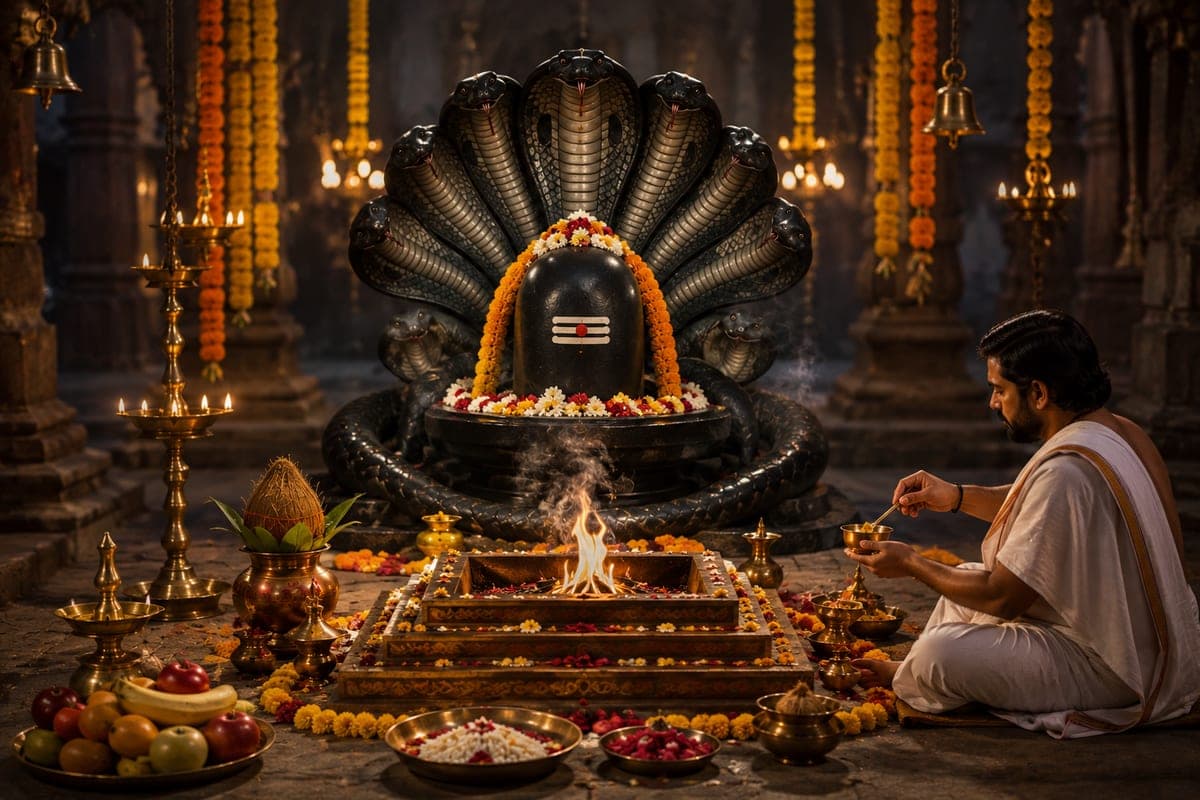
Sankalp is a formal declaration made at the start of a religious ritual, in which the devotee, often guided by a priest, states their name, family lineage, date, location, and the specific purpose of the ritual being undertaken. This verbal commitment is considered essential in traditional Hindu worship, as it clarifies the intention behind the ritual to follow and is believed to focus the ritual's spiritual benefit toward the stated purpose. Regional variations in how Sankalp is performed are common across India, reflecting local customs that have developed independently over centuries within different temple traditions.
Why Sankalp Matters in Rituals
Taking a sankalp is believed to focus the devotee's mind and formally dedicate the ritual toward a specific goal, whether it is general well-being, gratitude, or a particular request. It also creates a personal connection between the devotee and the ritual being performed, distinguishing a personalised puja from a general temple ceremony that is not dedicated to any single individual's intention. Many families maintain their own personal traditions around Sankalp, passed down from grandparents and adapted slightly for each generation while keeping the core practice intact.
Sankalp During Pilgrimage Rituals
Pilgrims sponsoring rituals such as archana, abhishek, or special pujas during a Yatra will often be asked to state their sankalp, either directly or through details provided to the priest beforehand. This step ensures that the ritual is specifically dedicated to the pilgrim's intention, reinforcing the personal significance of undertaking such rituals during a pilgrimage, and many pilgrims describe this moment of stating their purpose as one of the most meaningful parts of sponsoring a temple ritual. Priests performing rituals connected to Sankalp are generally happy to briefly explain the steps involved to curious pilgrims, particularly at quieter temples with fewer visitors during the day.