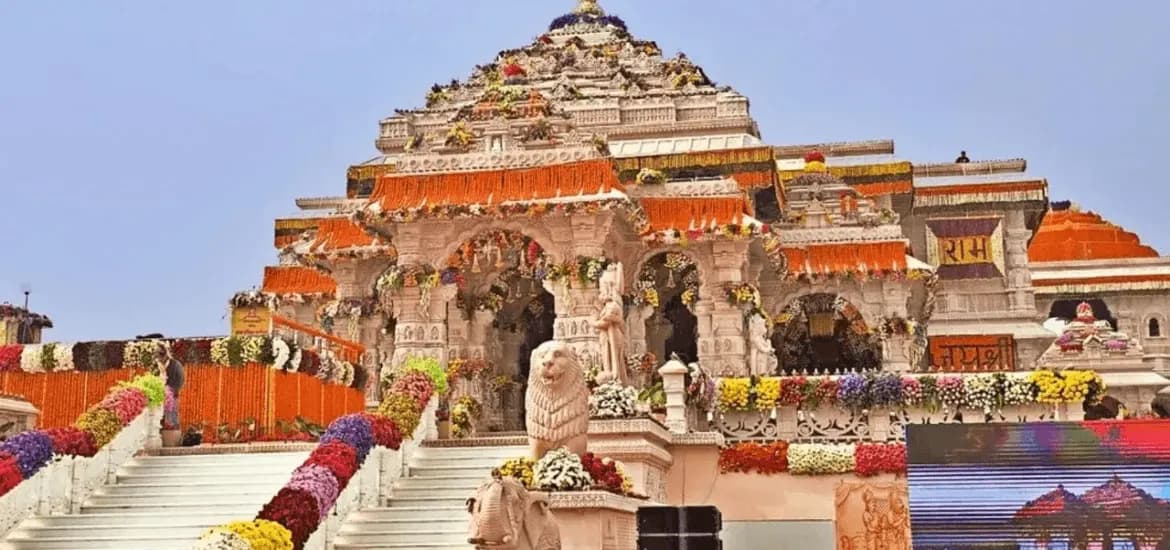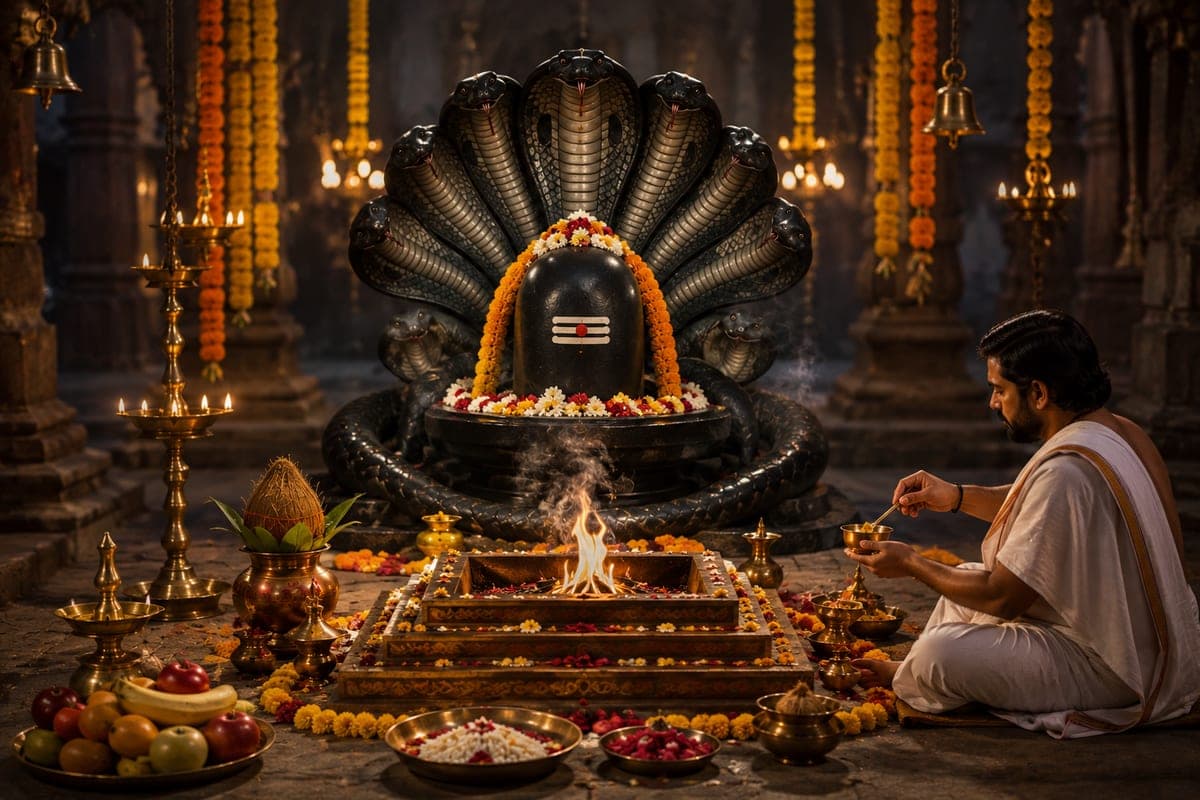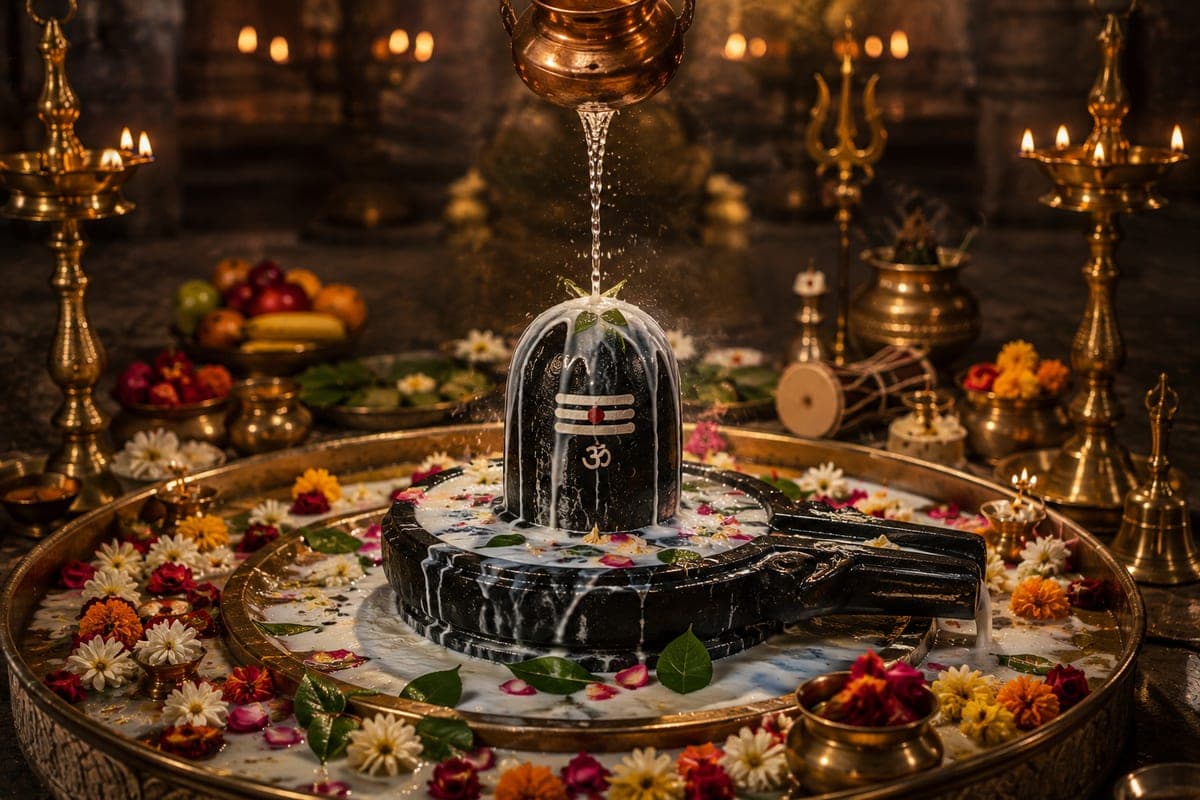
When discussing Hindu temples in English, the term sanctum sanctorum is often used to describe the garbhagriha, the innermost and holiest chamber. Understanding this English equivalent helps pilgrims and visitors navigate temple descriptions and guides written for a broader audience.
What Does Sanctum Sanctorum Mean?
Sanctum sanctorum is an English phrase, borrowed originally from Latin religious terminology, commonly used to describe the innermost and most sacred chamber of a Hindu temple, equivalent to the Sanskrit term garbhagriha. Architectural historians and temple guides often point to Sanctum Sanctorum as an example of the careful planning behind traditional Hindu temple design.
Why This English Term Is Used
This phrase is frequently used in English-language guidebooks, media coverage, and temple descriptions as an accessible way to convey the significance of the garbhagriha to readers unfamiliar with the original Sanskrit terminology. Regional variations in Sanctum Sanctorum are common across India, reflecting centuries of distinct local building traditions and craftsmanship.
Sanctum Sanctorum and the Pilgrim Experience
Regardless of which term is used, pilgrims understand the sanctum sanctorum as the ultimate destination of their darshan, the most sacred point within the temple complex where the main deity is enshrined and worshipped. Pilgrims interested in temple architecture sometimes specifically seek out well-preserved examples connected to Sanctum Sanctorum during their Yatra.