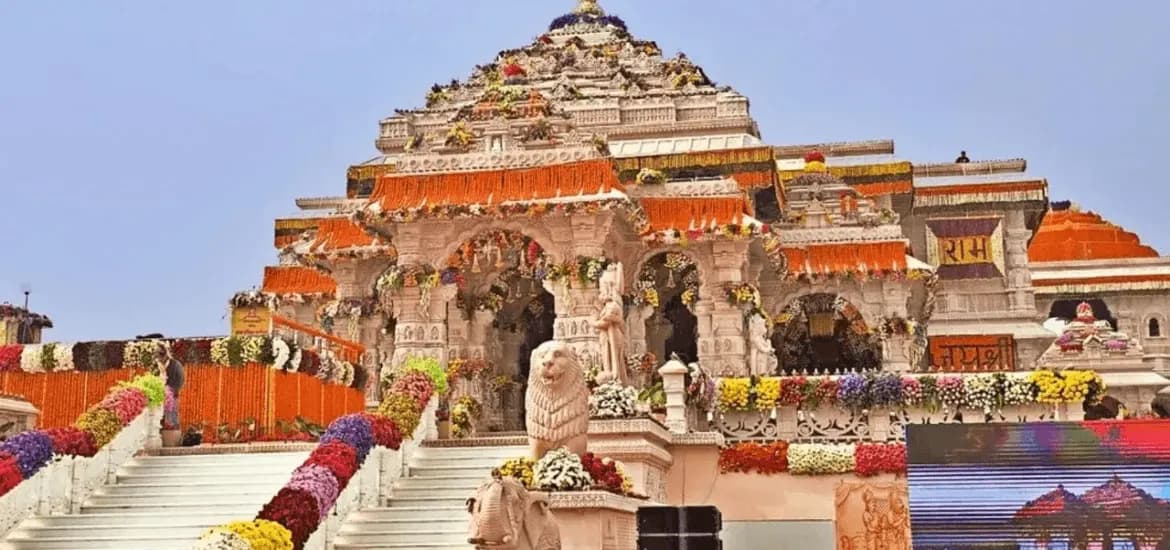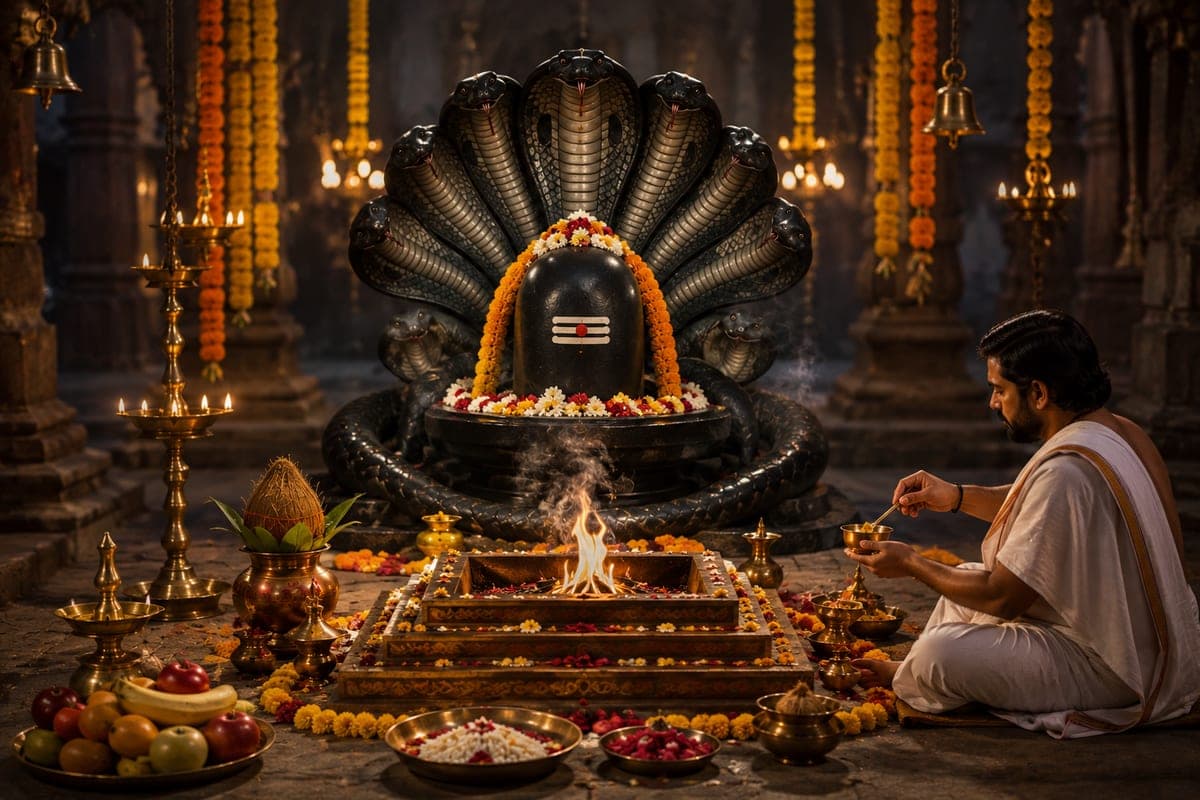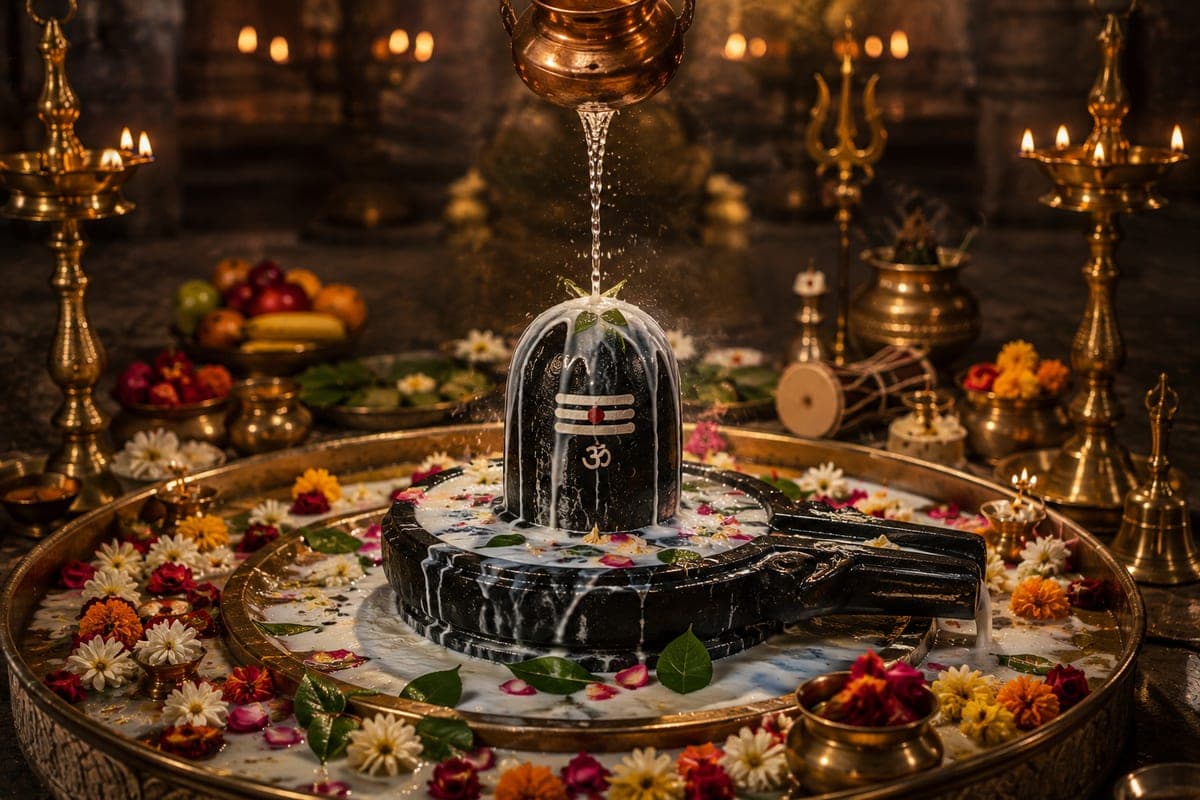
The term Sanatan Dharma, often used to describe Hindu tradition itself, reflects the idea of an eternal, timeless order rather than a religion founded at a specific point in history. Many pilgrims describe their Yatra as a lived expression of this broader tradition.
What Does Sanatan Dharma Mean?
Sanatan Dharma translates roughly to 'eternal duty' or 'eternal order', a term often used to describe Hindu tradition as a timeless way of life encompassing philosophy, ritual, and ethical conduct rather than a religion with a single founder or fixed starting point. Pilgrims encountering Sanatan Dharma for the first time are often introduced to it gradually through family tradition rather than formal study alone.
Sanatan Dharma and Diversity of Practice
This term reflects the broad and diverse nature of Hindu tradition, encompassing many different philosophical schools, regional practices, and forms of worship, unified by shared underlying concepts such as dharma and karma. References to Sanatan Dharma appear across many regional Hindu traditions, with local interpretation shaping how it is understood by pilgrims today.
Sanatan Dharma and Pilgrimage
Many devotees describe undertaking a Yatra as a living expression of Sanatan Dharma, connecting personal pilgrimage practice to a much broader and ancient tradition passed down through countless generations across the Indian subcontinent. Scholars and temple priests continue to teach and discuss Sanatan Dharma, keeping its relevance alive for each new generation of devotees.