Among the materials gathered for a havan, samidha, specific pieces of sacred wood, play a foundational role, offered directly into the fire throughout the ceremony. Understanding this term helps pilgrims appreciate the careful preparation behind fire rituals they may sponsor during their Yatra.
What Is Samidha?
Samidha refers to specific pieces of wood, often from trees considered sacred such as mango or peepal, cut to a prescribed length and offered into the fire during a havan or yajna as part of the ritual sequence. Regional practices around Samidha vary somewhat across India, though its core devotional purpose remains widely recognised among Hindu pilgrims.
Why Specific Wood Is Used
Different types of wood are traditionally associated with different ritual purposes or deities, with priests selecting appropriate samidha based on the specific intention and nature of the fire ceremony being performed. Vendors near many temples sell Samidha to pilgrims, and priests can usually explain the correct way to use it during a visit.
Samidha as Part of Havan Samagri
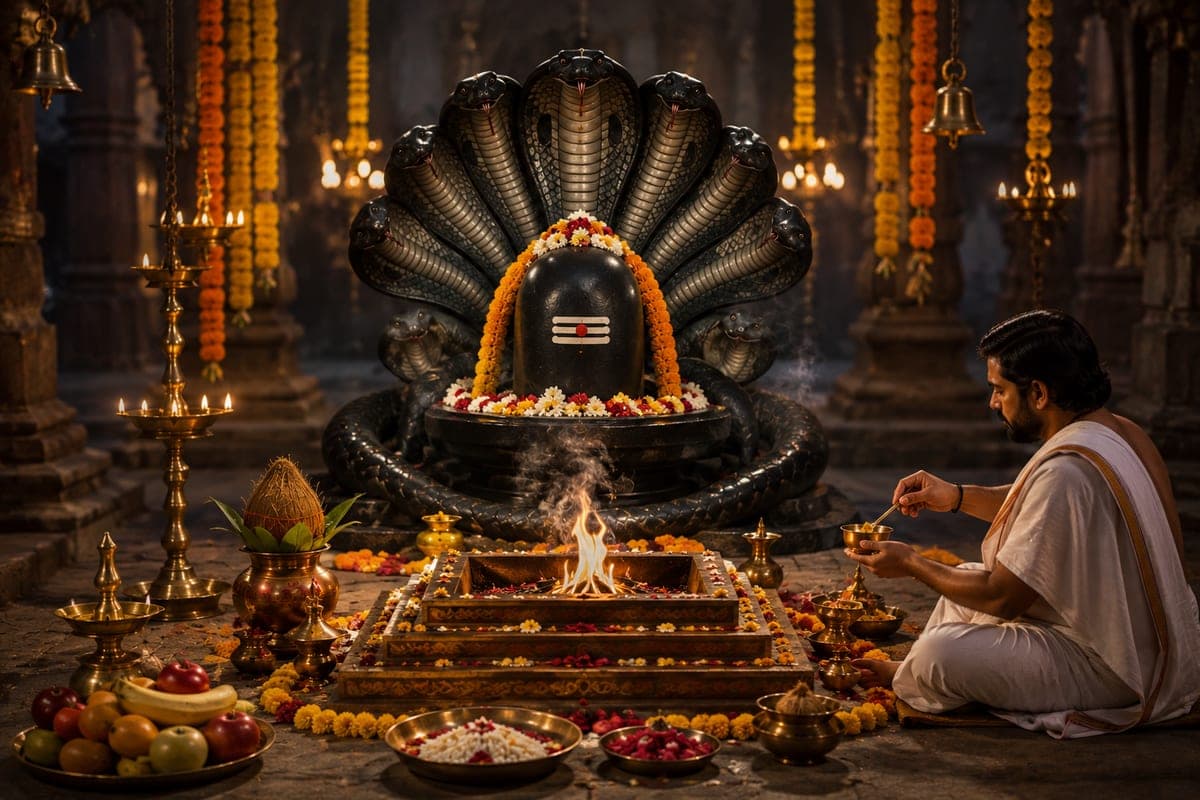
Samidha typically forms one component within the broader havan samagri prepared for a fire ceremony, and pilgrims sponsoring a havan during their Yatra will generally see this wood offered steadily throughout the ritual's duration. Many pilgrims keep a small amount of Samidha from a significant Yatra as a lasting reminder of that particular temple visit.