Beyond occasional ritual, much of Hindu spiritual life is built around sadhana, a sustained and disciplined personal practice maintained consistently over time. Pilgrims often use their Yatra as a turning point, either strengthening an existing sadhana or beginning a new one inspired by their journey.
What Is Sadhana?
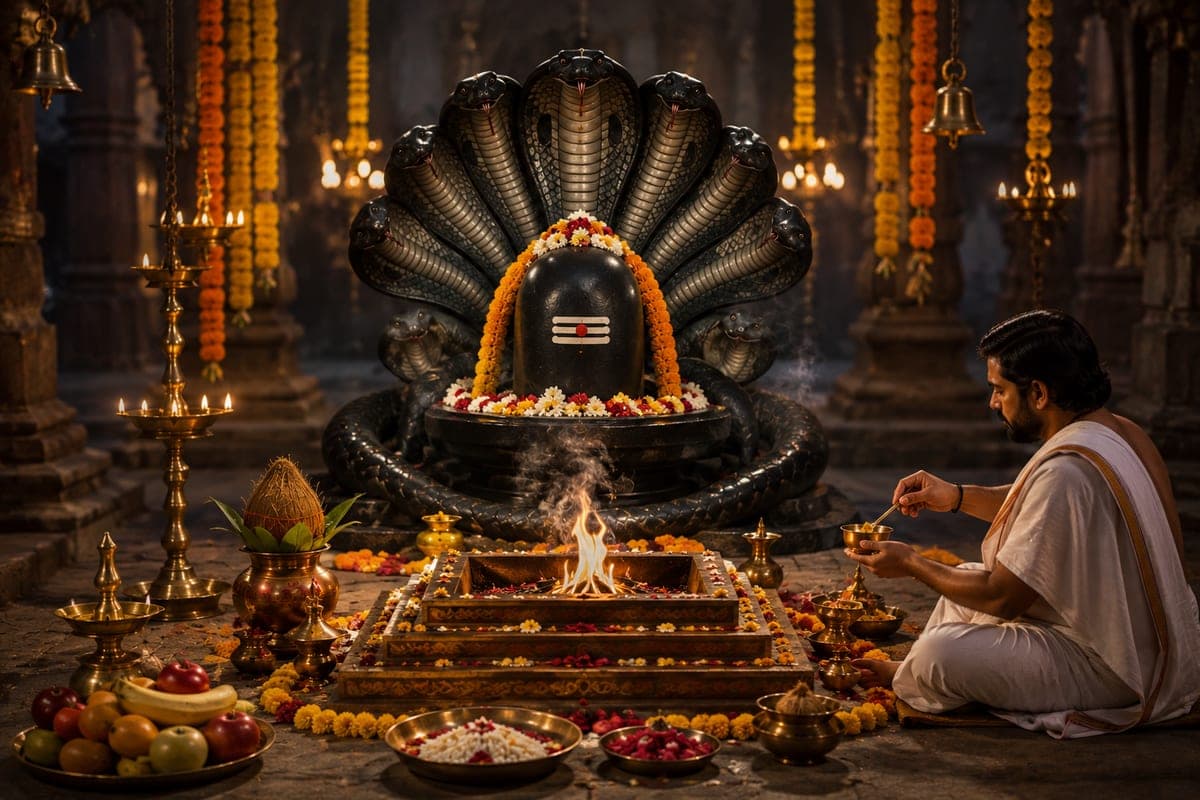
Sadhana refers to a sustained, disciplined spiritual practice, such as regular meditation, mantra recitation, or worship, pursued consistently over an extended period rather than performed as an occasional or one-time ritual. Interpretations of Sadhana can differ somewhat between spiritual traditions, though its broad significance is recognised across most schools of Hindu thought.
Sadhana and Personal Discipline
Maintaining a sadhana requires ongoing commitment, often guided by a guru's instruction, and is considered essential for meaningful spiritual progress within many Hindu traditions, distinguishing consistent practice from sporadic devotion. Pilgrims interested in Sadhana often deepen their understanding gradually through ashram visits or discussion with a guru during their Yatra.
Sadhana Inspired by a Yatra
Many pilgrims describe a significant Yatra as inspiring them to begin or deepen a personal sadhana, whether through daily mantra recitation, meditation, or a specific practice learned during their visit to an ashram or temple. Teachers at ashrams and ancient texts alike continue to explore Sadhana, reflecting its lasting relevance in Hindu spiritual thought.