Reciting the Rudram, a significant Vedic hymn dedicated to Shiva, is known as Rudra Path, and forms the core of more elaborate rituals such as Rudrabhishek. Understanding this specific practice helps pilgrims appreciate the depth of Vedic recitation underlying certain Shiva temple ceremonies.
What Is Rudra Path?
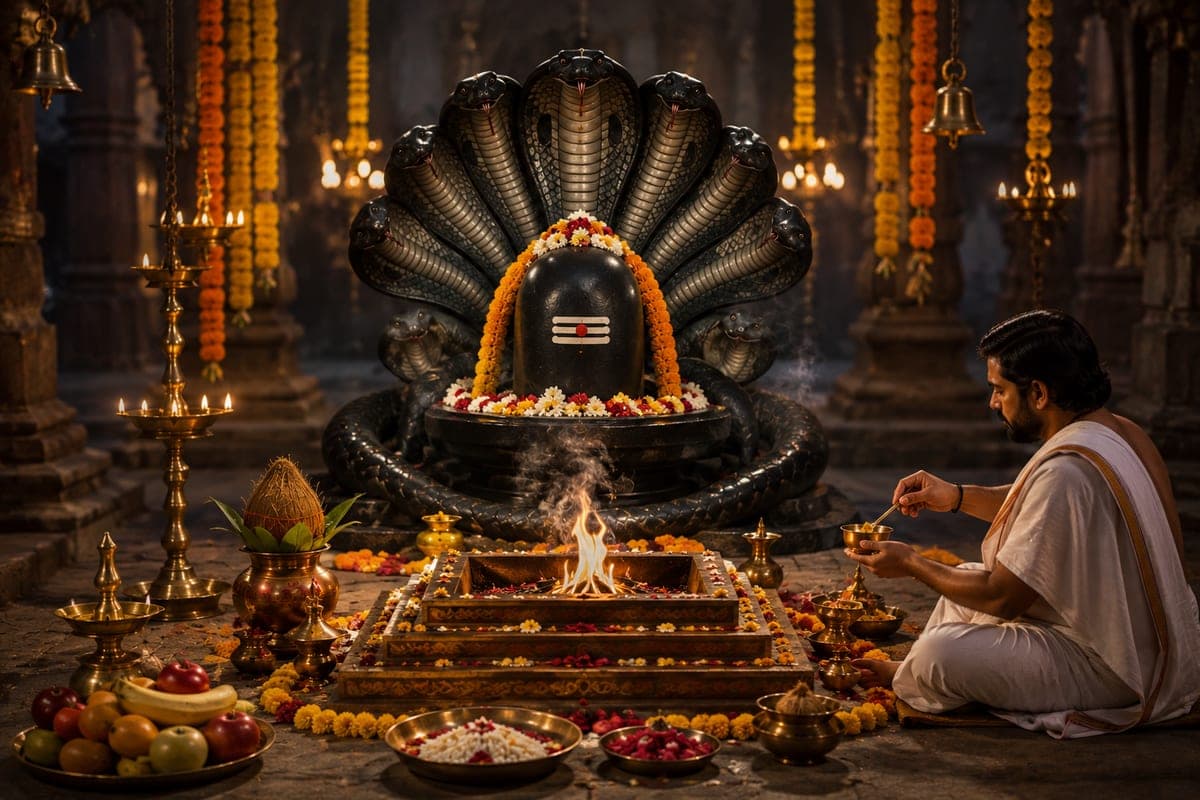
Rudra Path refers to the recitation of the Rudram, a Vedic hymn from the Yajurveda dedicated to Shiva in his form as Rudra, typically chanted by trained priests as part of an extended temple ritual. Pilgrims encountering Rudra Path for the first time are often introduced to it gradually through family tradition rather than formal study alone.
Rudra Path and Rudrabhishek
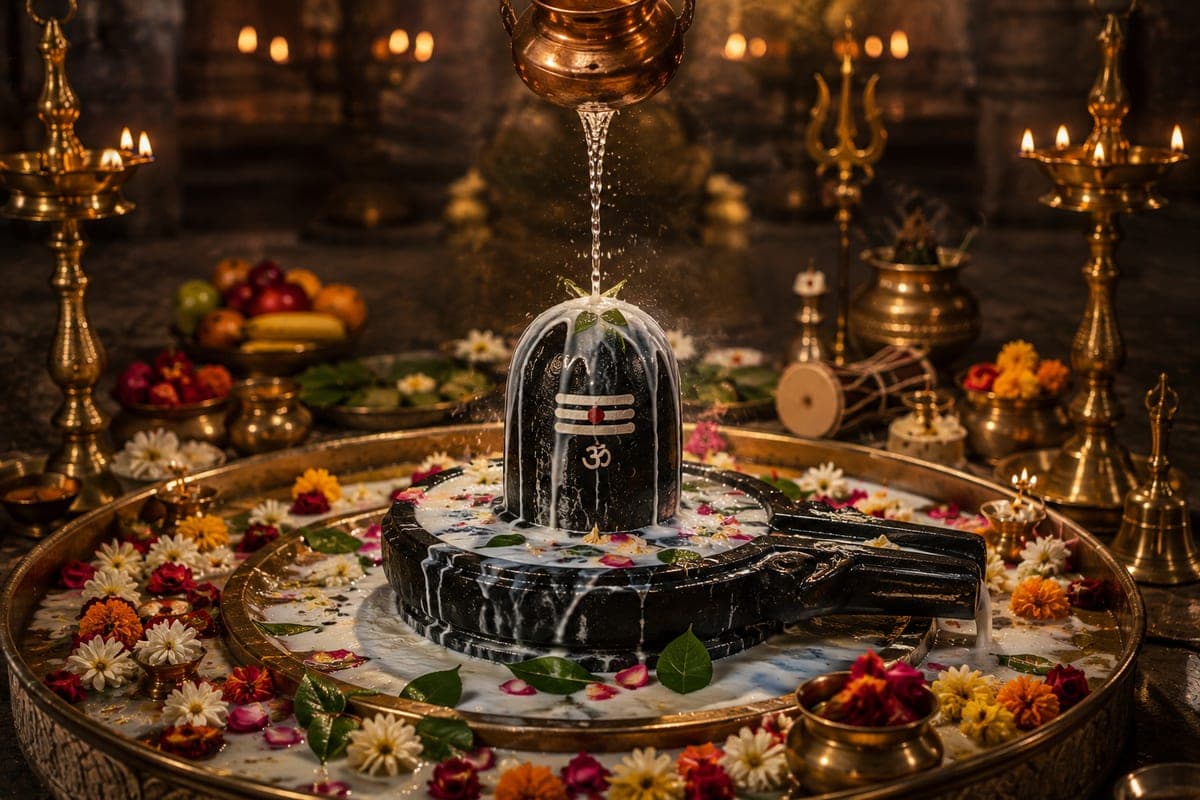
This recitation forms the core of the more elaborate Rudrabhishek ceremony, combining the Vedic hymn with ritual bathing of a Shivling, together considered a particularly significant offering to Shiva. Scholars and temple priests continue to teach and discuss Rudra Path, keeping its relevance alive for each new generation of devotees.
Sponsoring Rudra Path During a Yatra
Pilgrims seeking a significant Shiva-focused ritual during their Yatra can arrange a Rudra Path through a temple's priests, generally requiring advance notice given the extended time needed for the full recitation. References to Rudra Path appear across many regional Hindu traditions, with local interpretation shaping how it is understood by pilgrims today.