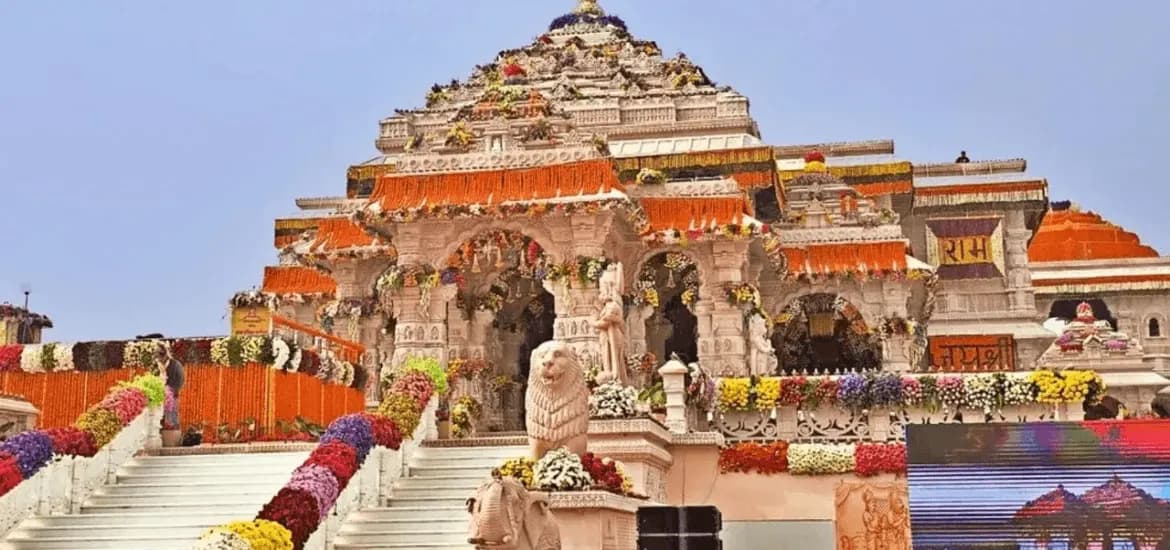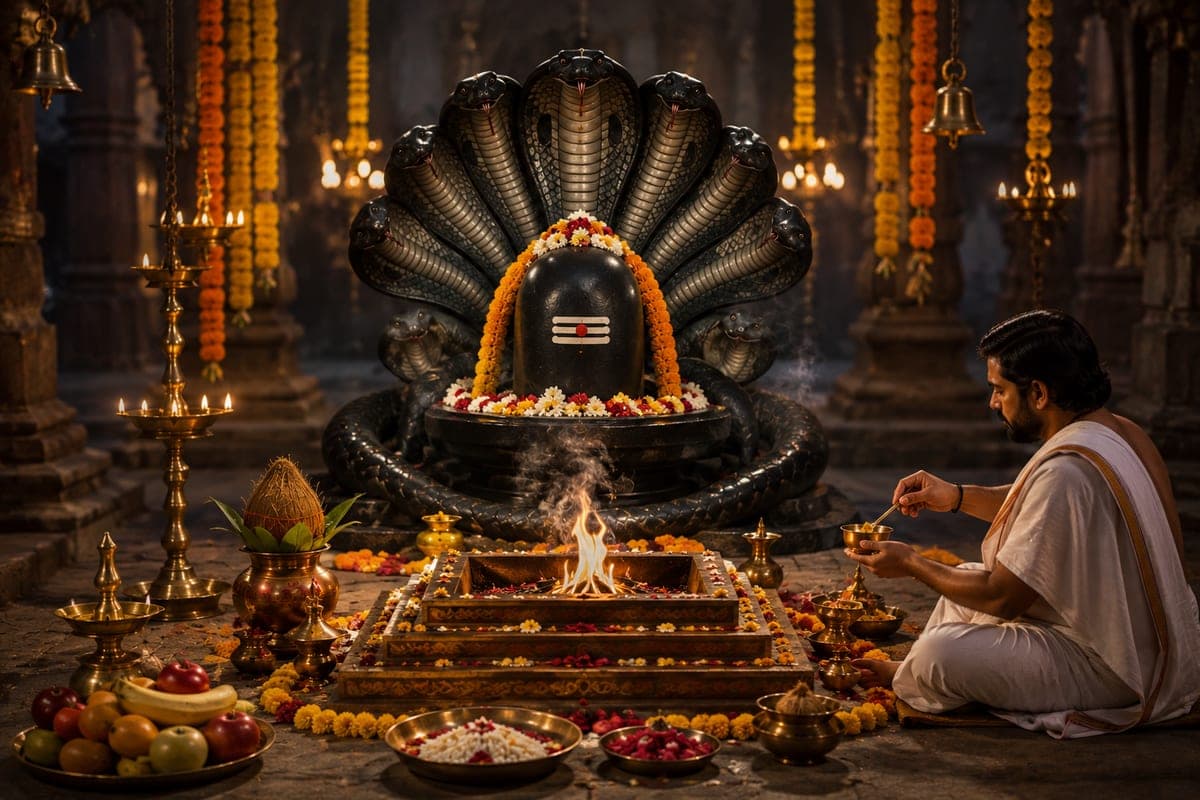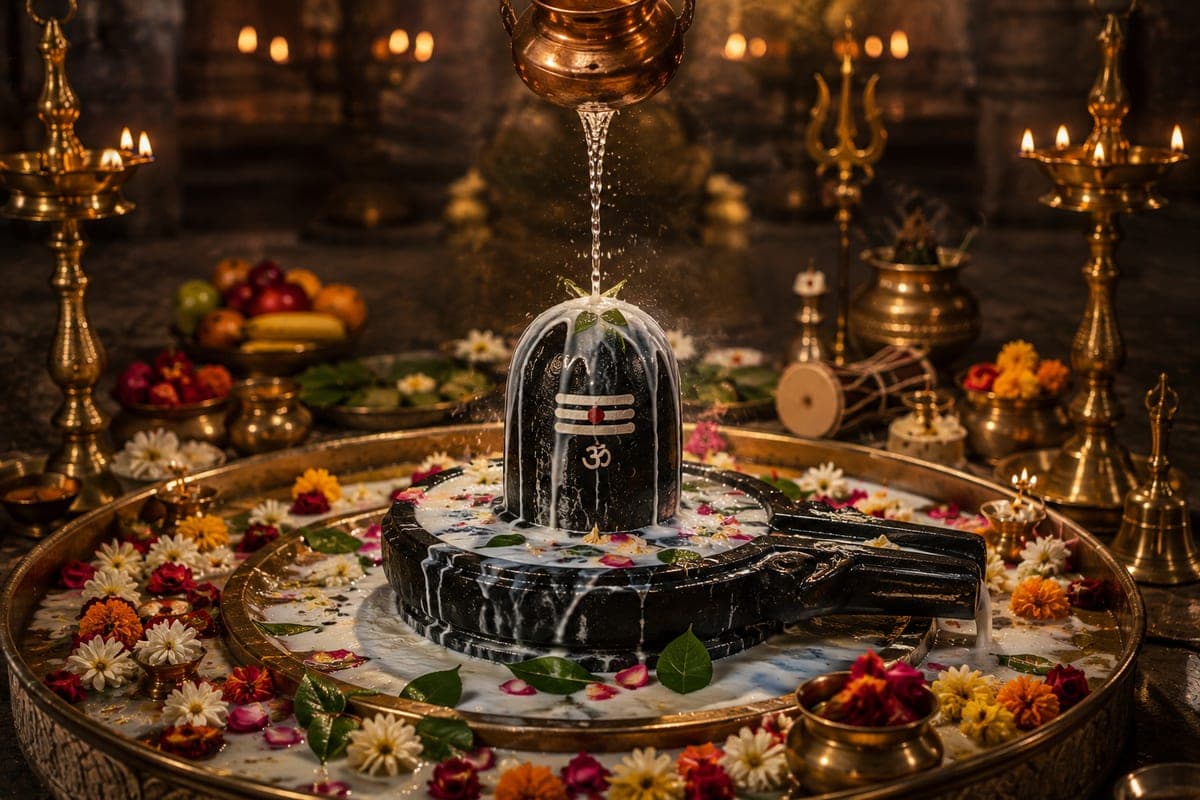
India is frequently described as Punya Bhoomi, a land of merit, reflecting its dense concentration of pilgrimage sites, sacred rivers, and temples. Understanding this concept helps frame why undertaking a Yatra within the country carries such deep spiritual significance for devotees.
What Does Punya Bhoomi Mean?
Punya Bhoomi translates to 'land of merit' or 'sacred land', a term often applied to India in recognition of its dense concentration of temples, sacred rivers, and pilgrimage sites believed to offer spiritual merit to visitors. Teachers at ashrams and ancient texts alike continue to explore Punya Bhoomi, reflecting its lasting relevance in Hindu spiritual thought.
Why India Is Considered Punya Bhoomi
This description reflects the belief that simply being present in certain sacred locations across India, whether at a temple, riverbank, or mountain pilgrimage site, offers spiritual benefit beyond what is available elsewhere. Pilgrims interested in Punya Bhoomi often deepen their understanding gradually through ashram visits or discussion with a guru during their Yatra.
Punya Bhoomi and the Motivation for Yatra
Many pilgrims describe their motivation for undertaking a Yatra as connected to this broader concept, viewing travel through India's sacred geography as itself a meritorious act, independent of any specific ritual performed along the way. Interpretations of Punya Bhoomi can differ somewhat between spiritual traditions, though its broad significance is recognised across most schools of Hindu thought.