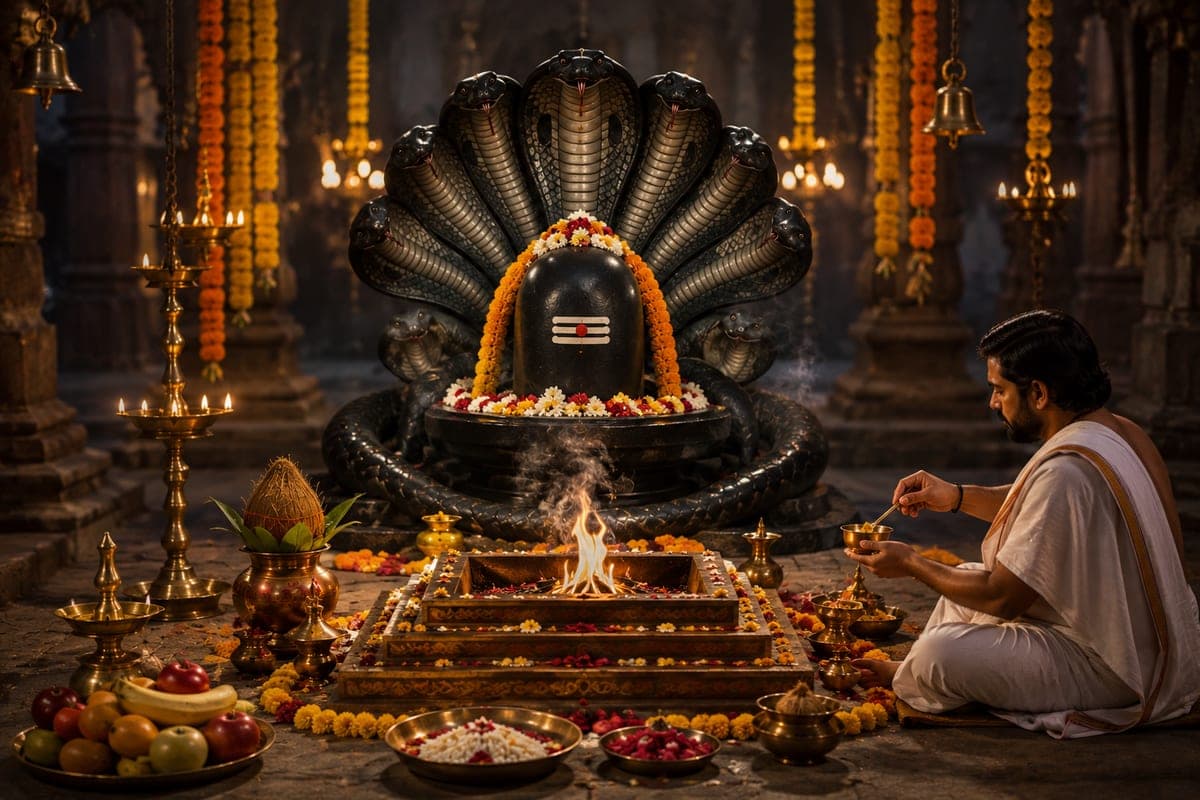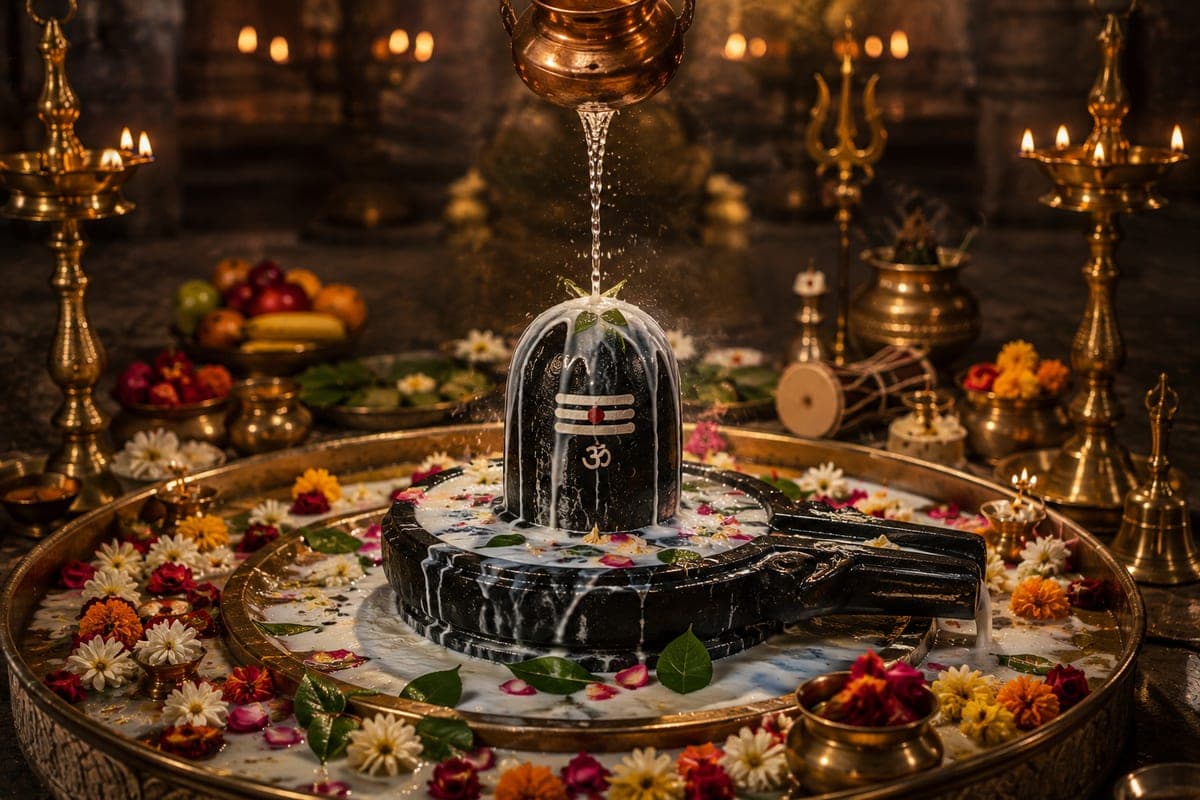
At the heart of much Hindu religious motivation lies punya, the spiritual merit generated through good deeds and devoted practice. Many pilgrims specifically undertake a Yatra with the understanding that the journey itself, alongside its associated rituals, generates meaningful punya.
What Does Punya Mean?
Punya refers to spiritual merit generated through good deeds, charitable acts, and religious practice within Hindu philosophy, considered to positively influence a person's karmic circumstances, contrasted directly with paap, or sin. Interpretations of Punya can differ somewhat between spiritual traditions, though its broad significance is recognised across most schools of Hindu thought.
How Punya Is Generated
Various actions are traditionally believed to generate punya, including charitable donation, performing rituals correctly, showing kindness to others, and undertaking pilgrimage to sacred sites with sincere devotion. Teachers at ashrams and ancient texts alike continue to explore Punya, reflecting its lasting relevance in Hindu spiritual thought.
Punya and the Motivation for Pilgrimage
Many pilgrims describe their Yatra explicitly as an opportunity to generate punya, viewing the physical effort, expense, and devotion involved in the journey as a meaningful contribution to their overall spiritual and karmic wellbeing. Pilgrims interested in Punya often deepen their understanding gradually through ashram visits or discussion with a guru during their Yatra.