Puja, sometimes spelled pooja, is one of the most fundamental rituals in Hindu worship, encountered by pilgrims at nearly every temple they visit. This structured act of devotion, involving offerings like flowers, incense, and light, forms the backbone of daily temple routines as well as special ceremonies performed during a Yatra. Understanding the basic elements of puja helps pilgrims follow along with rituals more meaningfully during their journey, even when the specific language or regional variation is unfamiliar.
What Is Puja?
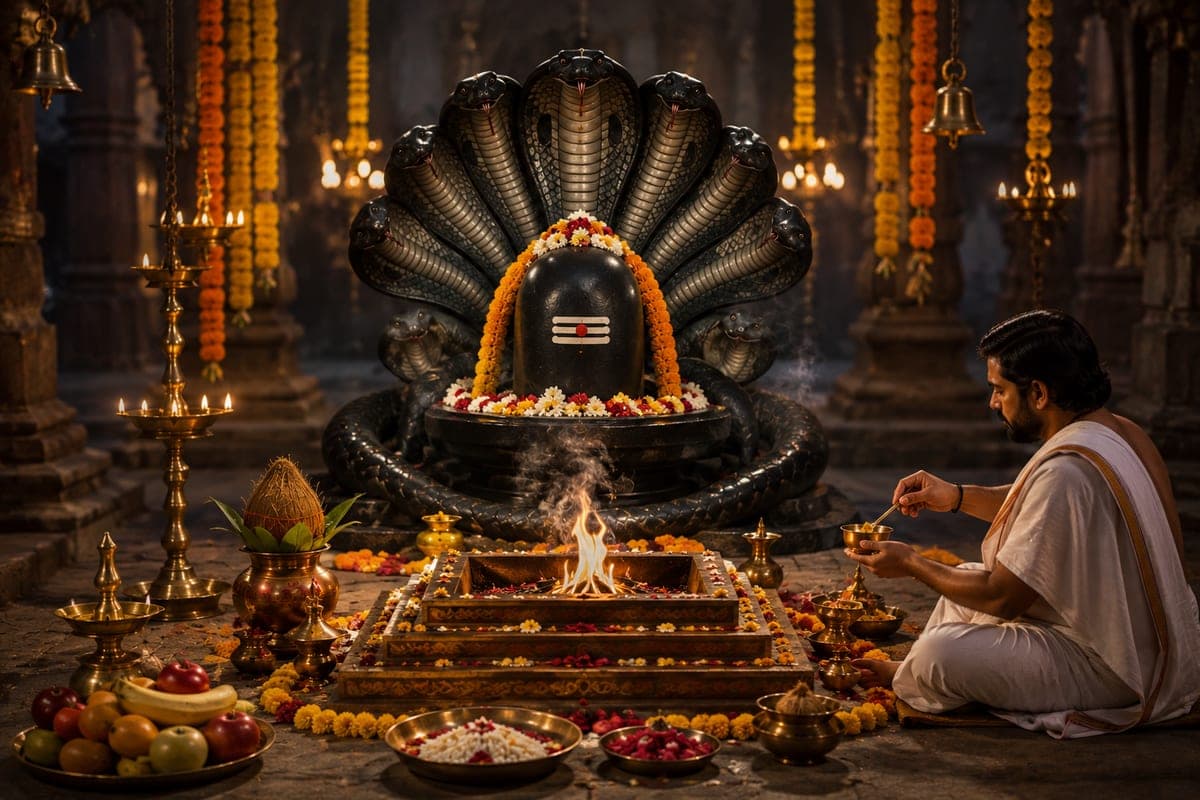
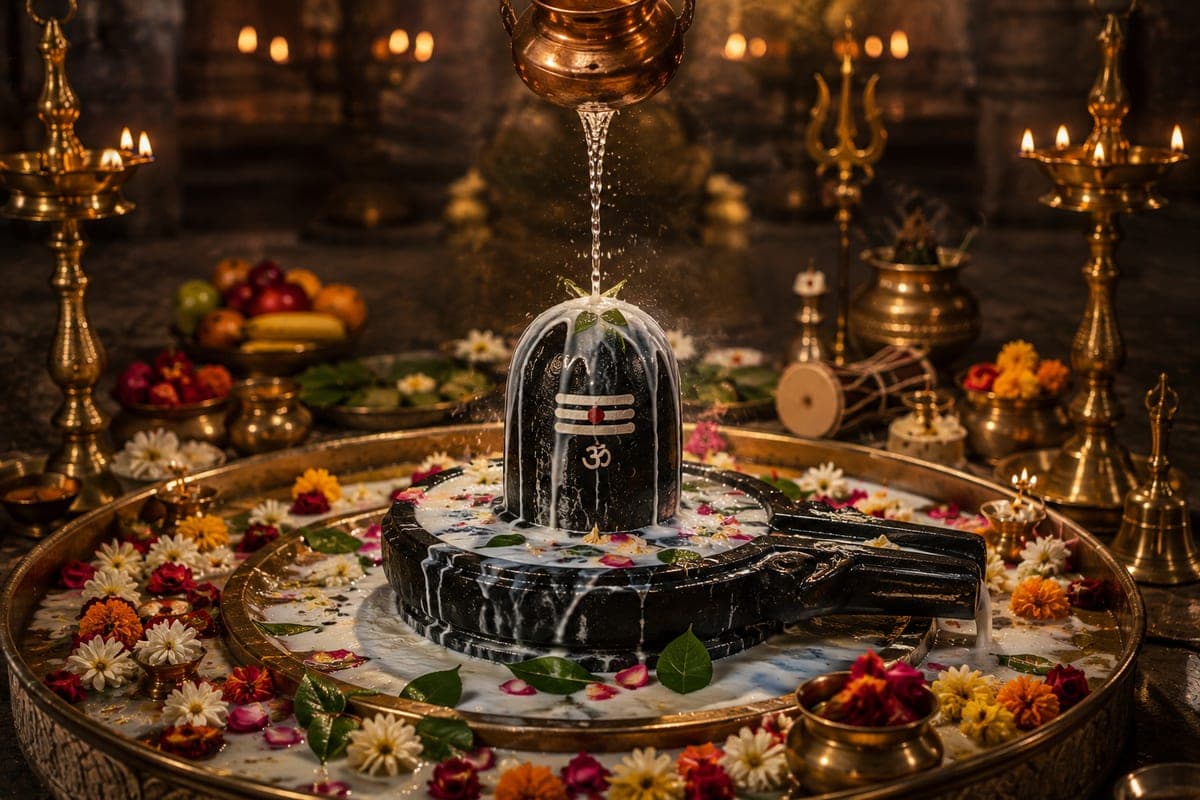
Puja is a ritual act of worship in which a devotee or priest offers items such as flowers, incense, lamps, water, or food to a deity, accompanied by specific mantras or prayers. It can be performed as a brief personal act at a home shrine or as an elaborate, multi-step ceremony conducted by trained priests at a temple, with the complexity and duration varying considerably depending on the occasion and the specific deity being worshipped. Regional variations in how Puja is performed are common across India, reflecting local customs that have developed independently over centuries within different temple traditions.
Common Elements of a Puja Ceremony
A typical puja includes steps such as invoking the deity, offering items like flowers and incense, performing aarti with a lit lamp, and concluding with prasad distribution. The exact sequence and items used can vary depending on the deity, region, and occasion, but the underlying structure of invitation, offering, and blessing remains largely consistent across different puja traditions found throughout India. Many families maintain their own personal traditions around Puja, passed down from grandparents and adapted slightly for each generation while keeping the core practice intact.
Puja During Temple Pilgrimage
During a Yatra, pilgrims may witness or personally sponsor a puja performed by temple priests, often to mark a specific intention such as health, prosperity, or gratitude. Some temples offer specific named pujas tied to particular deities or occasions, which pilgrims can arrange in advance, especially during major festivals when demand for priest-led rituals increases significantly and booking ahead becomes necessary to secure a preferred time slot. Priests performing rituals connected to Puja are generally happy to briefly explain the steps involved to curious pilgrims, particularly at quieter temples with fewer visitors during the day.