Every temple visit involves some interaction with a priest, the trained individual responsible for conducting daily worship and rituals. For pilgrims, understanding this role helps clarify who to approach when sponsoring a puja or seeking guidance during their Yatra.
What Is the Role of a Priest?
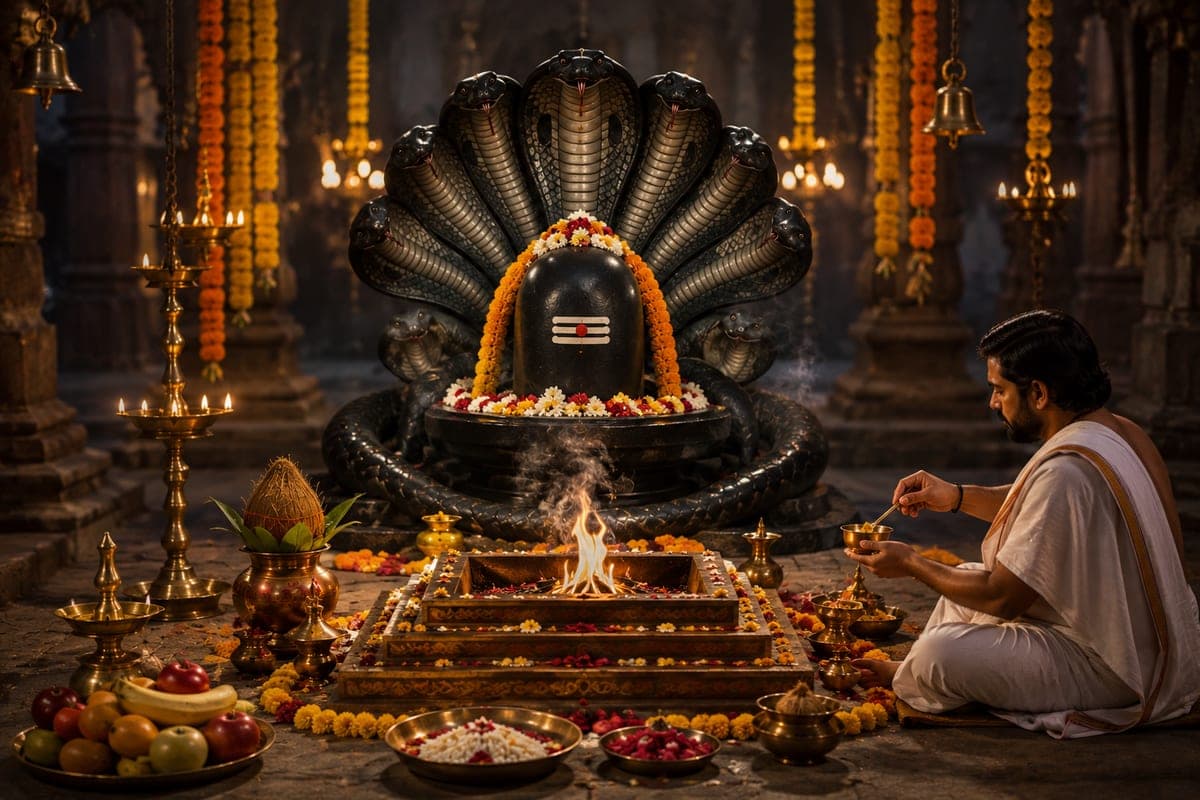
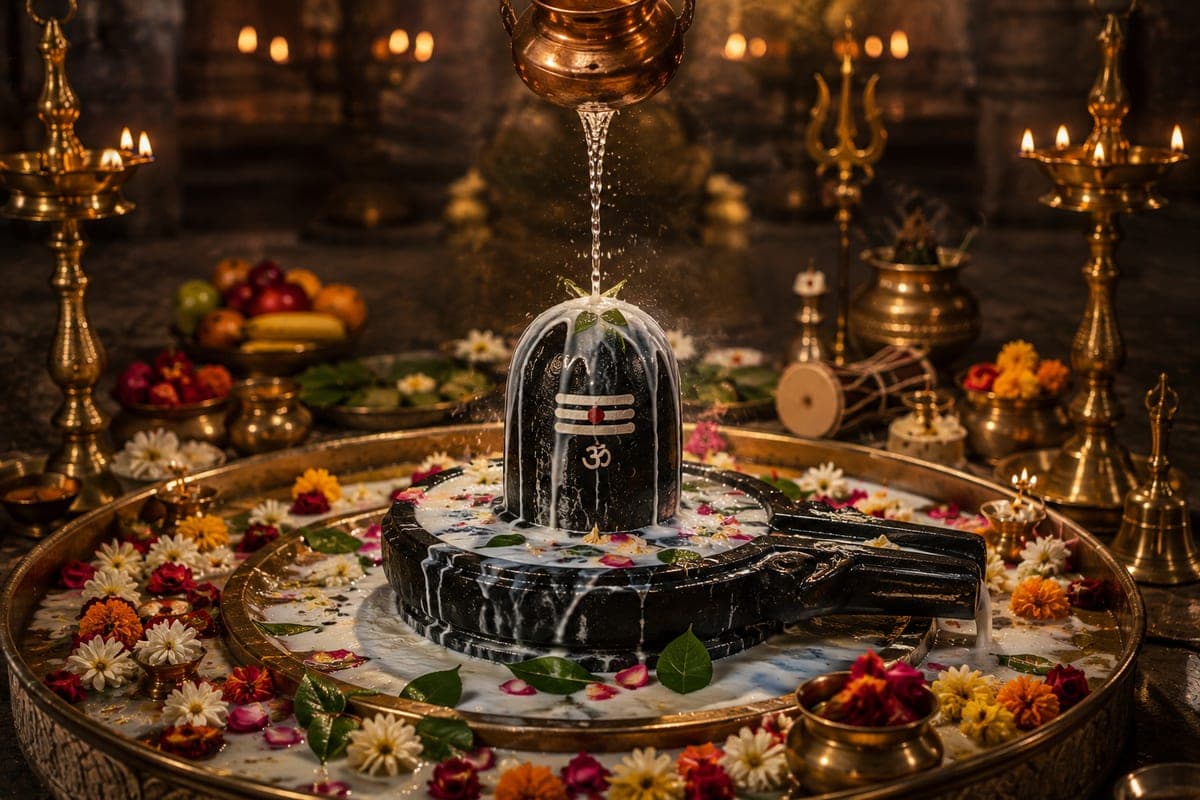
A priest, commonly called a pujari, performs daily rituals at a temple, including aarti, abhishek, and puja, following prescribed procedures passed down through training and tradition. They are considered essential to maintaining a temple's regular worship schedule. Pilgrims unfamiliar with the specific role of Priest are generally welcome to ask temple staff for a brief, respectful explanation.
Priests and Temple Rituals
Priests conduct both routine daily worship and personalised rituals sponsored by individual pilgrims, such as archana or havan, reciting the appropriate mantras for each occasion. Larger temples often employ multiple priests working in shifts to manage the volume of daily rituals. Devotees often seek guidance connected to Priest at specific points during their Yatra, particularly before major rituals or life decisions.
Interacting With Priests During a Yatra
Pilgrims sponsoring a specific ritual typically approach a temple's priest or designated counter to arrange the details, including providing their name for personalised prayers. Priests are generally a helpful source of guidance on temple customs for pilgrims unfamiliar with a particular site. Many temples maintain their own local tradition regarding Priest, shaped by regional custom as much as broader scriptural reference.