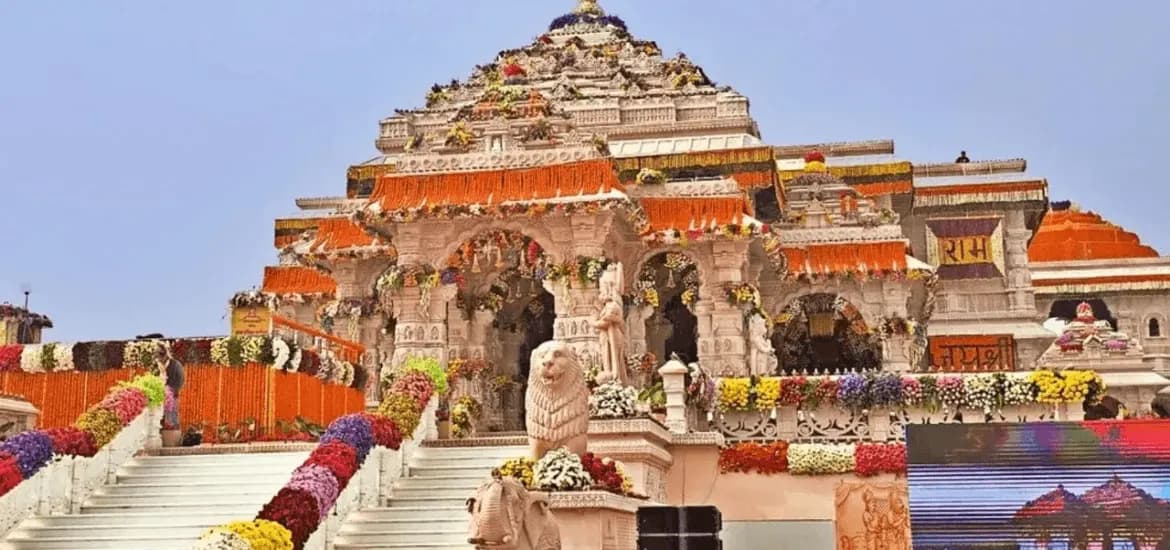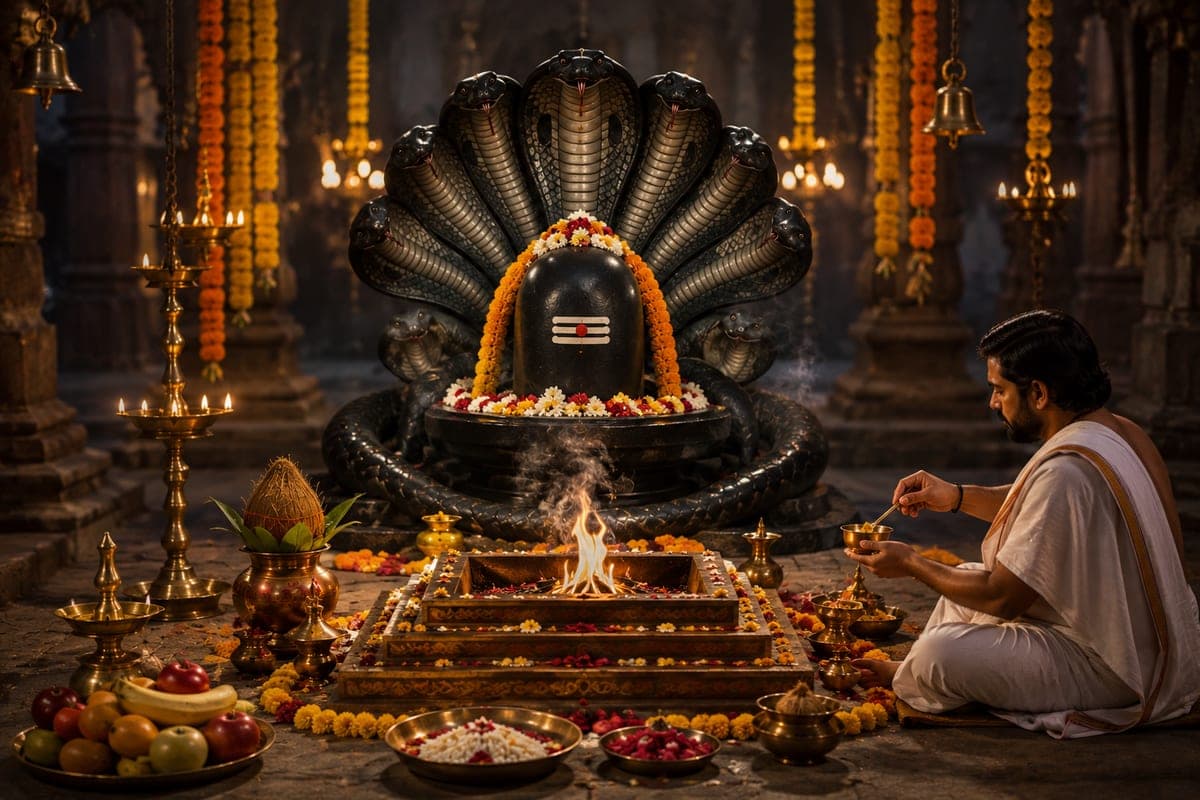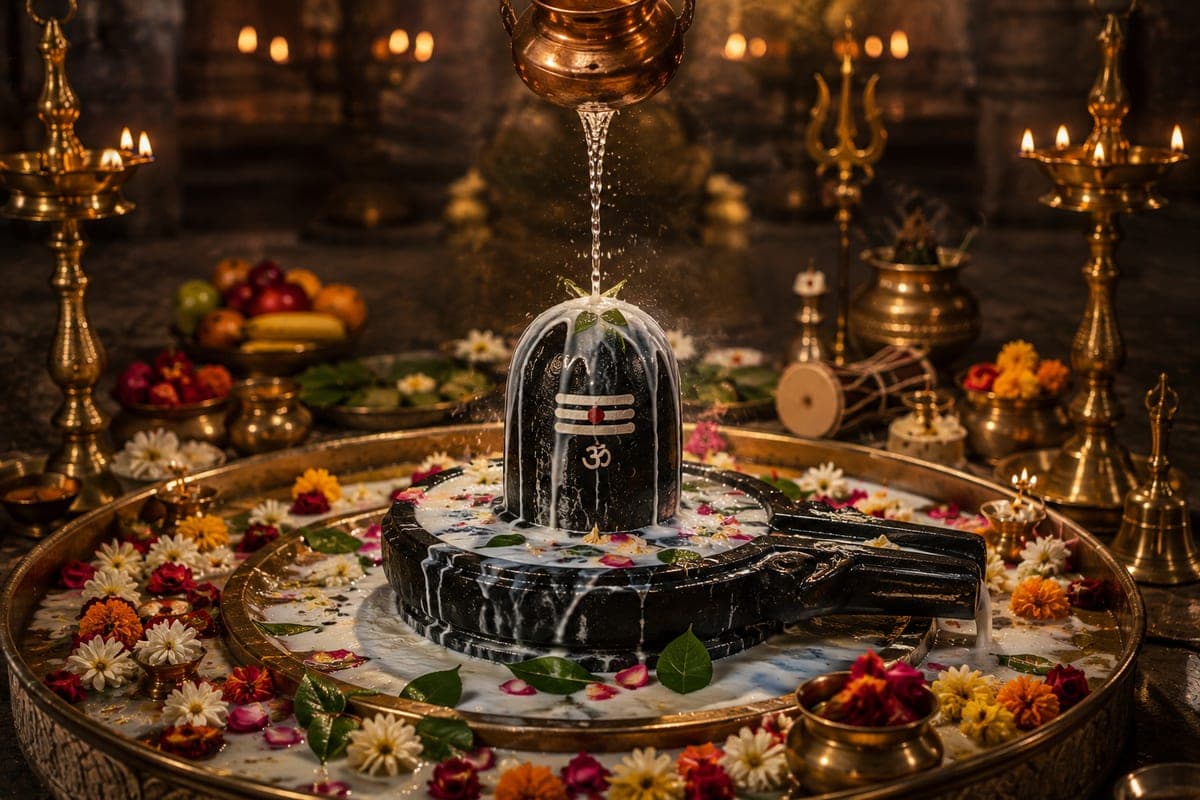
Pilgrimage is one of the oldest forms of travel in India, predating modern tourism by centuries. It refers to the act of journeying to a place considered sacred, whether a temple, a holy river confluence, or a mountain shrine, with the intention of seeking blessings, fulfilling religious duty, or deepening one's faith. Understanding pilgrimage as a concept helps put individual Yatra journeys, festivals, and temple customs into a broader cultural context for Indian travellers, and explains why certain destinations continue to draw millions of visitors year after year despite the physical or logistical challenges involved.
What Is a Pilgrimage?
A pilgrimage is a journey made specifically for religious or spiritual reasons, as opposed to travel for leisure or business. In Hindu tradition, pilgrimage sites are often linked to deities, mythological events, or natural features considered sacred, such as river confluences or mountain peaks. The act of undertaking the journey itself, not just arriving at the destination, is considered spiritually significant, which is why pilgrimage in India is often treated with ritual seriousness from start to finish. Some pilgrimages are undertaken as a single event in a person's life, while others, such as an annual visit to a family deity's temple, become recurring rituals passed down across generations. Local guides and temple volunteers are often a useful resource for pilgrims wanting a deeper understanding of Pilgrimage, offering context that official signage or guidebooks may not fully capture.
Religious Significance of Pilgrimage in India
India's pilgrimage tradition includes major circuits such as Char Dham, the twelve Jyotirlingas, and the network of Shakti Peethas, each associated with specific legends and deities. Many pilgrimages are believed to offer spiritual merit, help fulfil vows, or mark important milestones such as marriage or the passing of a family member. This religious weight is one reason pilgrimage sites in India often see extremely high visitor numbers during specific festivals or auspicious periods, sometimes straining local infrastructure and requiring careful crowd management by temple authorities and state governments alike. For many families, completing a particular pilgrimage even becomes a marker of a life well lived, spoken about and remembered for years afterward. Speaking with fellow pilgrims who have prior experience is a common way travellers prepare for the practical and spiritual dimensions of Pilgrimage before setting out on their own journey.
How Pilgrimage Differs From Tourism
While pilgrimage sites can also be popular tourist attractions, the underlying purpose sets pilgrimage apart. A pilgrim typically prioritises rituals, darshan, and religious observance over sightseeing or leisure activities. This difference influences everything from clothing choices to daily schedules during the trip, and many destinations in India cater separately to pilgrim needs, such as dedicated darshan queues and prasad counters. Local economies in pilgrimage towns are often built almost entirely around supporting this pilgrim-first approach, from prasad shops to dharamshalas rather than standard hotel chains. Even the pace of a pilgrimage tends to differ, with pilgrims often willing to wait much longer or travel under more difficult conditions than a typical tourist would accept for a leisure destination. Seasoned pilgrims often note that patience and flexibility go a long way when navigating the practical realities behind Pilgrimage, since crowds, weather, and local conditions can shift quickly.
Planning for a Meaningful Pilgrimage
A well-planned pilgrimage takes into account not only travel logistics like transport and accommodation but also the appropriate timing, rituals, and conduct associated with the specific site. Checking official information from temple trusts or state tourism boards, understanding seasonal weather patterns, and being prepared for large crowds are practical steps that help pilgrims focus on the spiritual purpose of their journey rather than logistical stress. Many experienced pilgrims also recommend keeping travel plans flexible, since weather, festival schedules, or sudden crowd surges can affect timing even with careful preparation. Building in a buffer day before returning home is also a common practice, particularly for pilgrimages involving long train journeys or mountain routes where delays are relatively common.