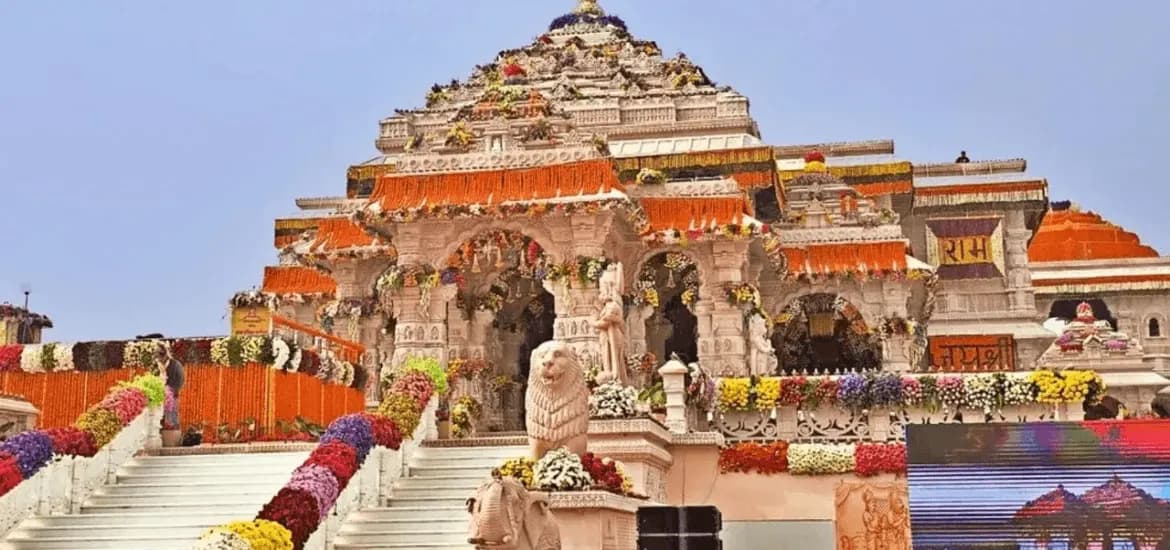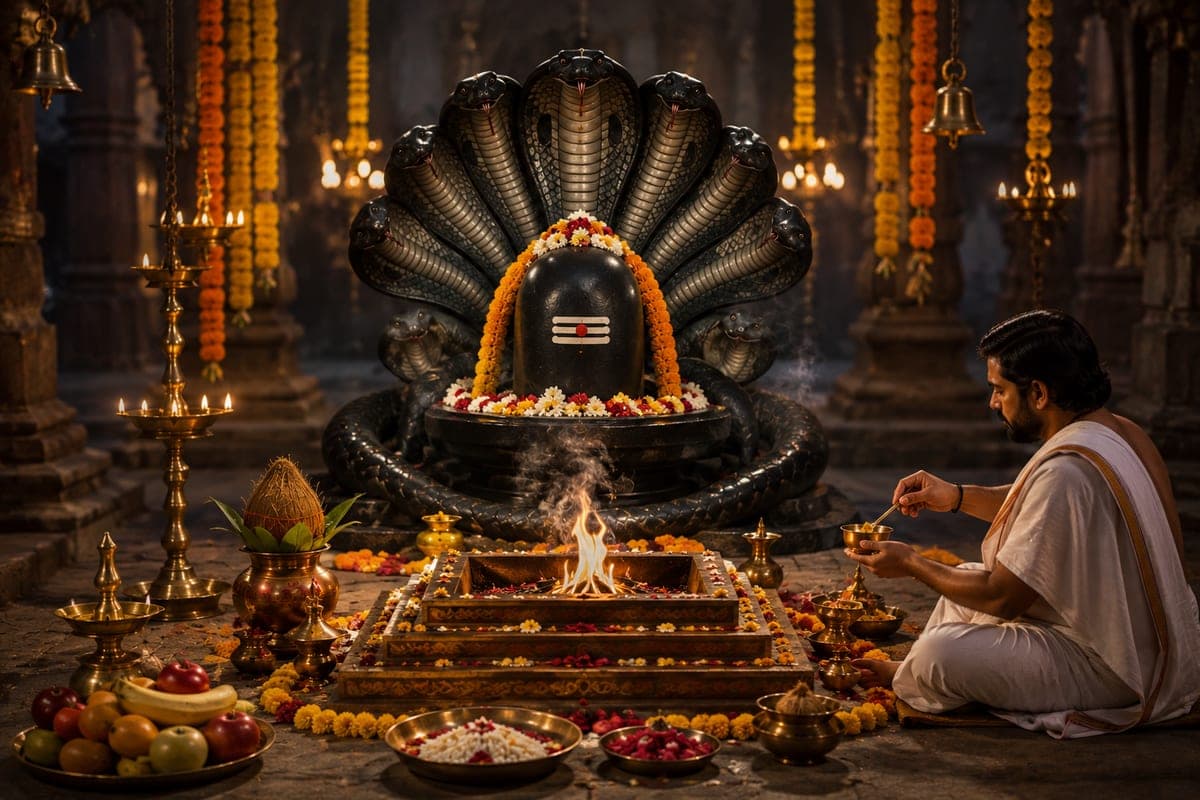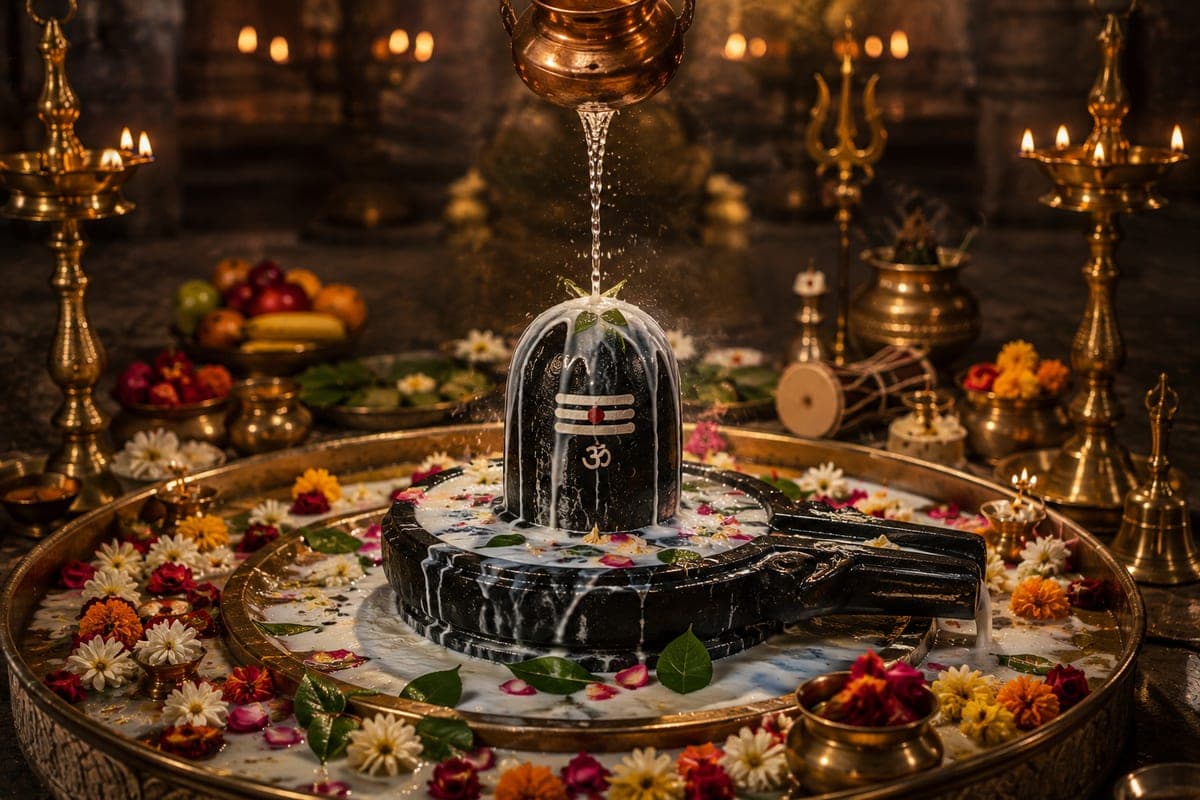
The word pilgrim describes anyone who sets out on a journey primarily for spiritual reasons, whether to a temple, holy river, or pilgrimage town. In India, being a pilgrim is not just about the destination but about the mindset carried throughout the journey. From the way one dresses to the discipline followed before and during travel, the identity of a pilgrim shapes the entire Yatra experience and distinguishes it from an ordinary tourist visit. This distinction matters practically too, since many facilities at pilgrimage sites are specifically designed with the needs of pilgrims, rather than casual visitors, in mind.
What Defines a Pilgrim?
A pilgrim is generally understood as someone travelling with a specific spiritual or devotional intention, such as seeking blessings, fulfilling a vow, or participating in a religious rite. This intention shapes behaviour throughout the trip, from maintaining modest conduct to following dietary restrictions like fasting. Unlike tourists who may prioritise sightseeing, pilgrims usually centre their journey around darshan, puja, and the sanctity of the destination itself. Many pilgrims also carry a specific personal purpose for their journey, such as praying for a family member's health or expressing gratitude after a significant life event, which adds a deeply personal layer to what might otherwise look like a routine temple visit. Speaking with fellow pilgrims who have prior experience is a common way travellers prepare for the practical and spiritual dimensions of Pilgrim before setting out on their own journey.
Expectations and Etiquette for Pilgrims
Most Indian pilgrimage sites have unwritten and written codes of conduct for pilgrims, including appropriate dress, queue discipline, and respect for temple rules. Pilgrims are often expected to remove footwear before entering sacred areas, avoid loud behaviour, and follow instructions from temple staff or priests. Many pilgrims also choose to bathe in a sacred river or tank before darshan as an act of purification, reflecting the deeper devotional purpose behind the journey. Patience is considered an important virtue for pilgrims, particularly at high-traffic sites where waiting several hours for darshan is common during festivals or weekends. Respecting local customs, including how prasad is received or how one addresses temple priests, also forms an important part of being seen as a respectful and mindful pilgrim. Seasoned pilgrims often note that patience and flexibility go a long way when navigating the practical realities behind Pilgrim, since crowds, weather, and local conditions can shift quickly.
Pilgrim Facilities on a Yatra
Recognising the scale of pilgrim traffic, many temple towns and trusts provide dedicated facilities such as dharamshalas, queue management systems, senior citizen assistance, and porter services for difficult terrain. These facilities are designed specifically with the needs of pilgrims in mind, differing from standard tourist infrastructure. Understanding what support is available can make a significant difference for elderly or first-time pilgrims undertaking a demanding Yatra. Many temple trusts also publish helpline numbers and official websites specifically aimed at guiding pilgrims through accommodation and darshan bookings, reducing dependence on unofficial agents who sometimes overcharge unfamiliar travellers. During peak seasons, some sites also set up temporary medical camps, drinking water stations, and lost-and-found desks specifically to support the large volume of pilgrims passing through in a short period.
Becoming a More Prepared Pilgrim
First-time pilgrims often benefit from researching the specific customs of their destination well before departure, since practices such as fasting requirements, dress codes, or ritual sequences can vary considerably between temples and regions. Speaking to family members or community groups who have previously completed the same Yatra can offer practical insights that official guides may not cover, from the best time of day to avoid crowds to which local vendors are most reliable. Over time, many pilgrims develop a personal rhythm for their journeys, returning to favourite routes or temples with growing familiarity, while still treating each Yatra with the same seriousness and respect as their very first pilgrimage.