Anyone arranging a ritual during a temple visit will likely deal directly with a pandit, the trained priest responsible for conducting ceremonies according to Hindu tradition. Understanding this role helps pilgrims know who to approach when sponsoring a puja, archana, or other ritual during their Yatra.
What Is a Pandit?
A pandit is a Hindu priest or scholar trained extensively in scripture, ritual procedure, and Sanskrit, qualified to conduct religious ceremonies on behalf of devotees. The term reflects both religious authority and scholarly learning, distinguishing a pandit from a general temple attendant. Many temples maintain their own local tradition regarding Pandit, shaped by regional custom as much as broader scriptural reference.
Role of a Pandit in Temple Rituals
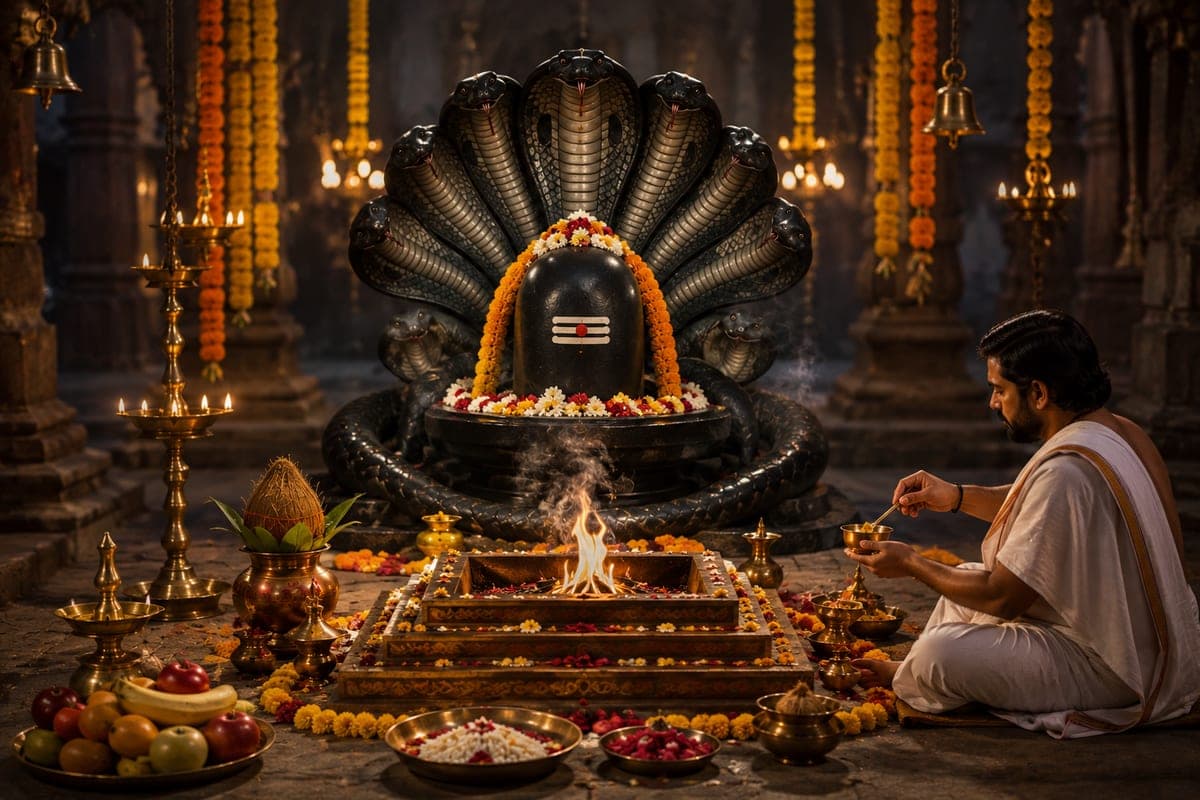
Pandits perform a wide range of ceremonies, from daily temple rituals to personalised pujas sponsored by pilgrims, reciting the correct mantras and following the proper sequence for each occasion. Their training typically spans years of study under a senior priest or religious institution. Pilgrims unfamiliar with the specific role of Pandit are generally welcome to ask temple staff for a brief, respectful explanation.
Consulting a Pandit During a Yatra
Pilgrims sponsoring a specific ritual, such as archana or a havan, typically arrange this through a temple's pandit, providing details like their name and purpose for the ceremony. Many pilgrims also consult a pandit for guidance on auspicious timing before undertaking a significant Yatra. Devotees often seek guidance connected to Pandit at specific points during their Yatra, particularly before major rituals or life decisions.