Few sounds are as central to Hindu worship as Omkar, the sacred syllable Om, considered the primordial vibration underlying creation itself. Pilgrims hear this sound constantly throughout their Yatra, chanted at the start of nearly every mantra and prayer.
What Is Omkar?
Omkar refers to the syllable Om, considered in Hindu tradition to be the primordial sound representing the essence of ultimate reality. It is composed of three sounds believed to represent different states of consciousness. Pilgrims encountering Omkar for the first time are often introduced to it gradually through family tradition rather than formal study alone.
Omkar in Temple Worship
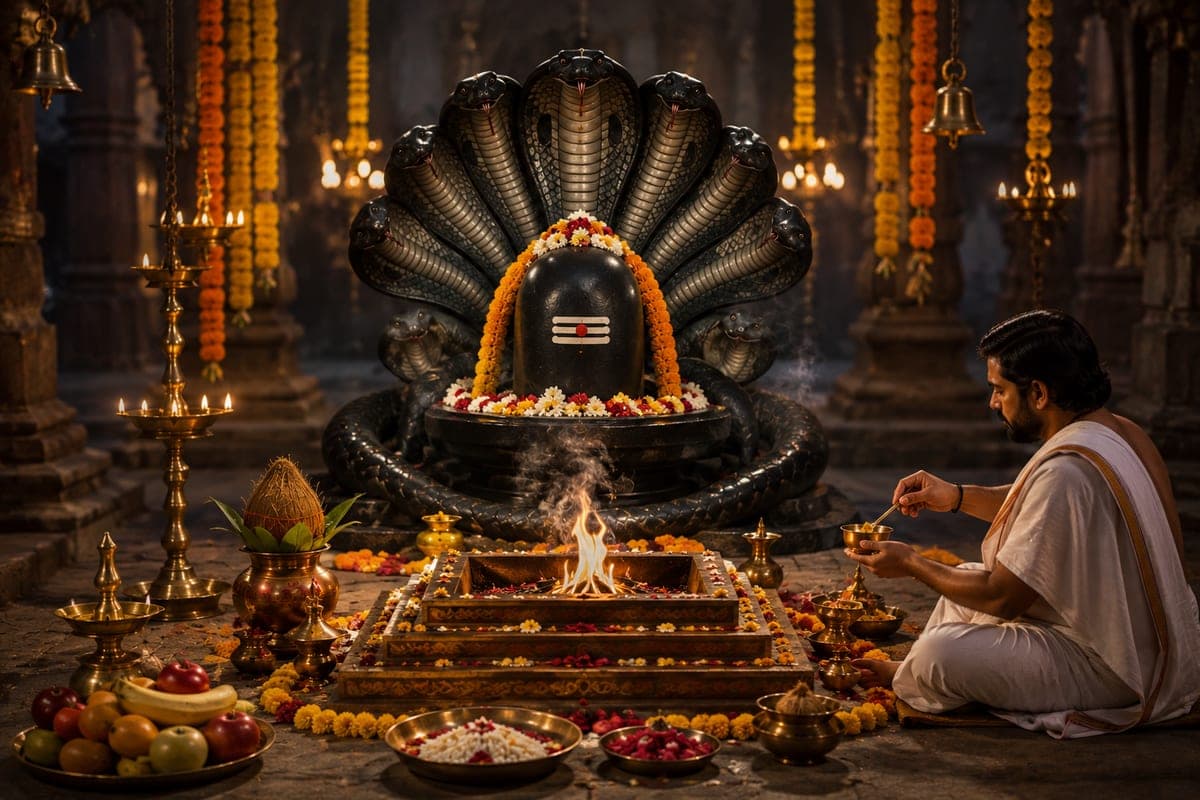
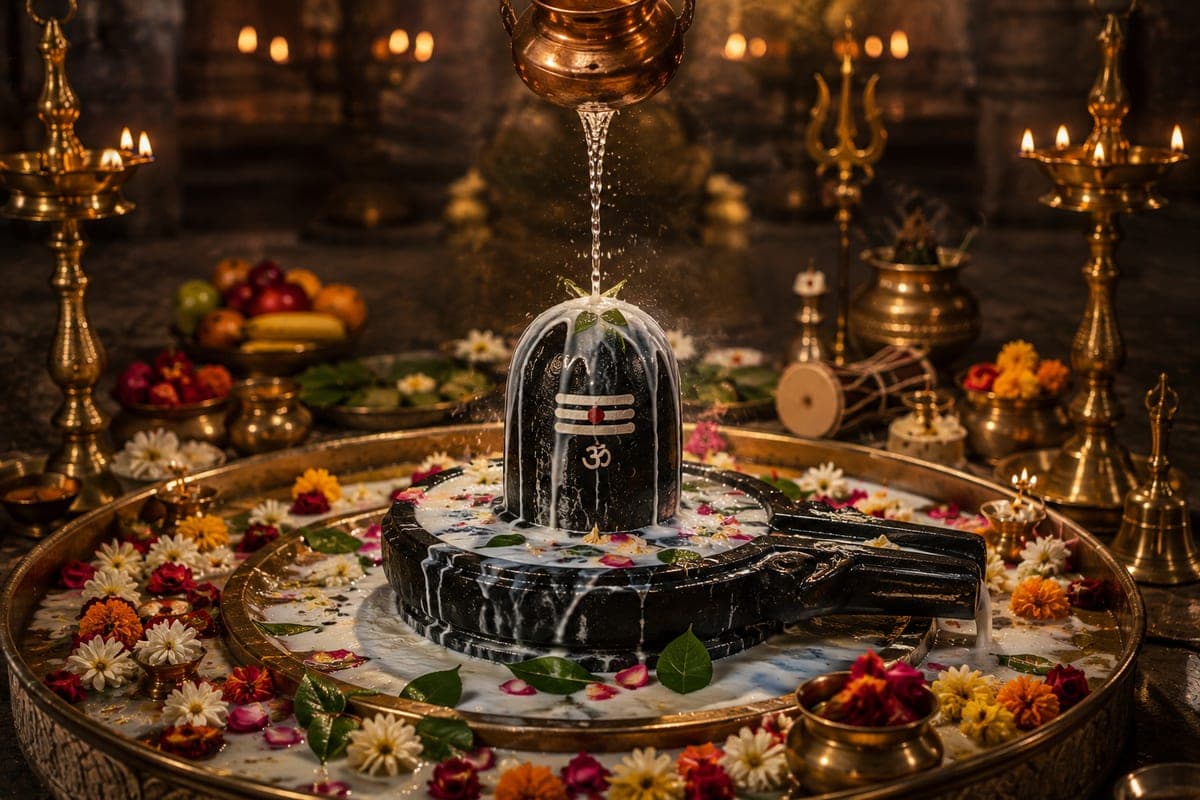
Nearly every mantra and prayer recited at a temple begins with Om, reflecting its foundational status in Hindu ritual. Priests chant it at the start of puja, abhishek, and aarti, treating it as an essential opening invocation. Scholars and temple priests continue to teach and discuss Omkar, keeping its relevance alive for each new generation of devotees.
Omkar in Meditation and Yatra
Many pilgrims chant Omkar during meditation or while travelling, using its repetitive sound as a focus for concentration. Some temples are specifically shaped or associated with the symbol of Om, drawing pilgrims interested in this particular symbolism. References to Omkar appear across many regional Hindu traditions, with local interpretation shaping how it is understood by pilgrims today.