Even after flowers and garlands have completed their role in worship, they retain a special status known as nirmalya, still treated with reverence rather than simply thrown away. Understanding this concept helps pilgrims appreciate the careful respect shown toward ritual items even after their immediate use has ended.
What Is Nirmalya?
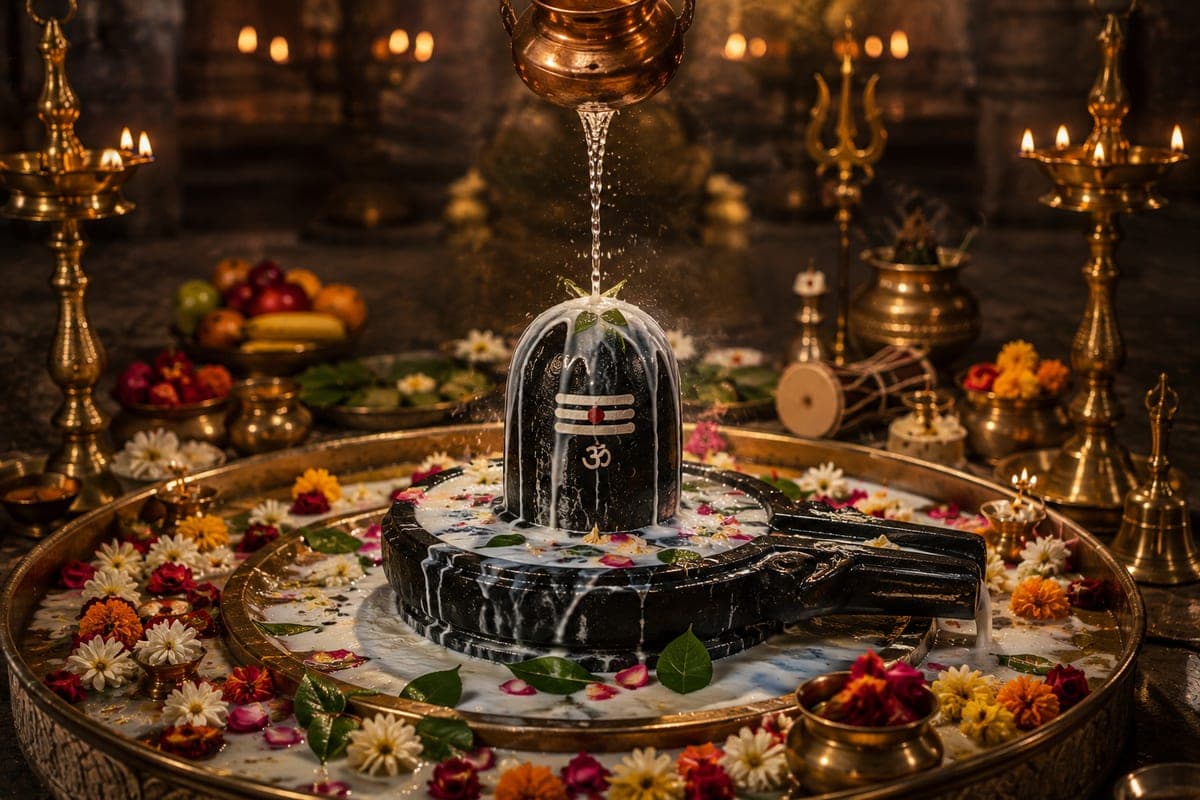
Nirmalya refers to flowers, garlands, and other offerings that have already been used in worship and subsequently removed from a deity's image, still considered sacred despite no longer being part of active worship. Many pilgrims keep a small amount of Nirmalya from a significant Yatra as a lasting reminder of that particular temple visit.
Why Nirmalya Is Treated With Respect
Because these items were once in direct contact with the deity during worship, tradition holds that they retain a degree of sanctity, meaning they should not be discarded carelessly like ordinary waste. Regional practices around Nirmalya vary somewhat across India, though its core devotional purpose remains widely recognised among Hindu pilgrims.
Traditional Disposal of Nirmalya
Temples typically follow specific customs for handling nirmalya, such as immersing it in a river or designated area, reflecting the broader Hindu practice of treating sacred items with continued respect even after their ritual use has concluded. Vendors near many temples sell Nirmalya to pilgrims, and priests can usually explain the correct way to use it during a visit.